
She Went To The Blue Mountains To Heal Her Broken Heart… Instead She Became The Target Of A Sadistic Hunter 😱🔪 APEX On Netflix Just Dropped The Most Brutal Plot Twist Of The Year
The raw, unforgiving expanse of Australia’s Blue Mountains becomes both sanctuary and slaughterhouse in APEX, Netflix’s latest high-stakes survival thriller that dropped on April 24, 2026, and quickly climbed the platform’s global charts. Directed by Baltasar Kormákur, the film pits Oscar-winner Charlize Theron against a chillingly unhinged Taron Egerton in a relentless game of cat-and-mouse that blends visceral action, psychological warfare, and the breathtaking yet merciless power of nature itself. At just under 96 minutes, APEX wastes no time dragging viewers into a world where every cliff edge, raging river, and hidden cave could mean the difference between life and brutal death.
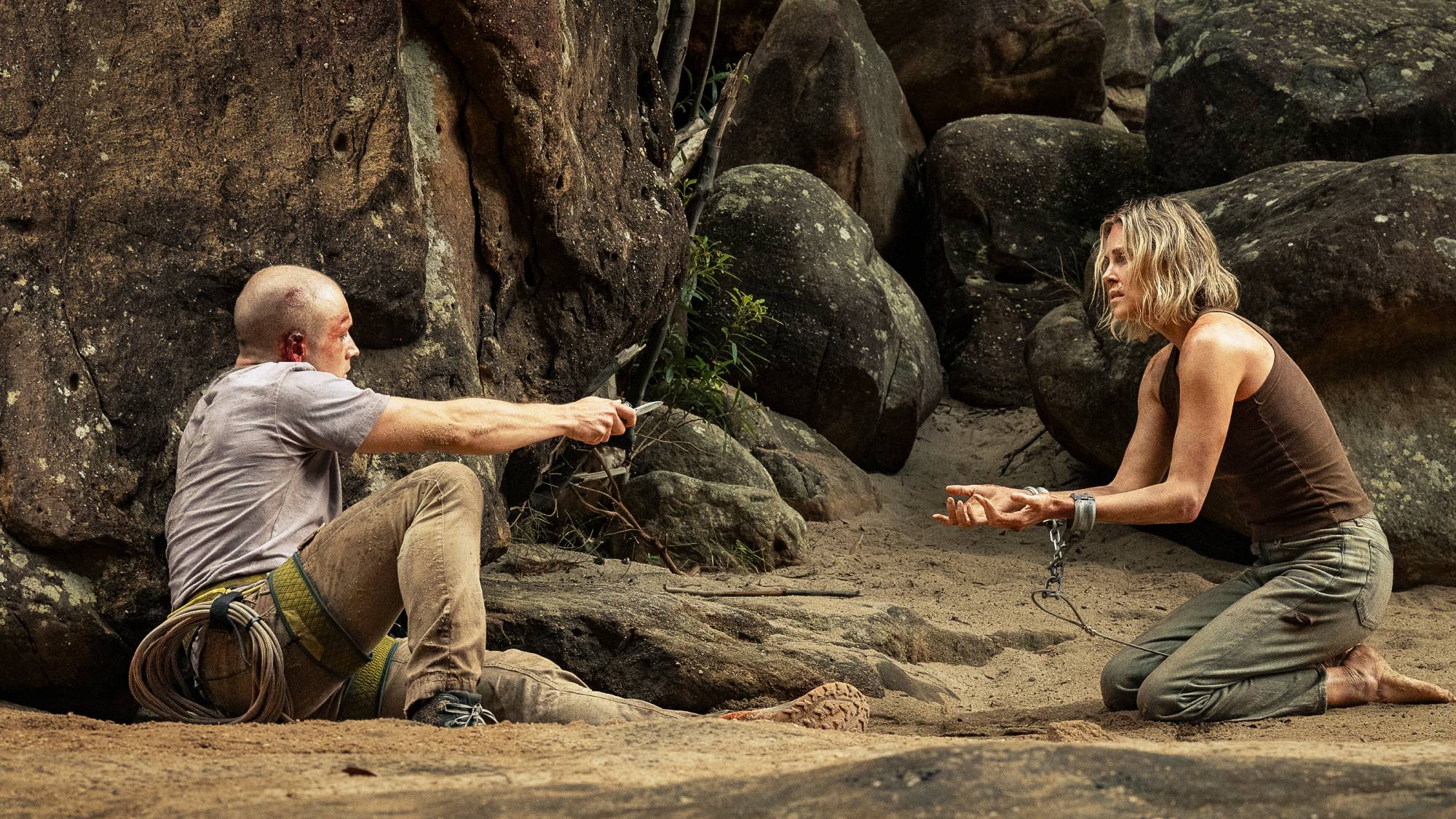
Theron stars as Sasha, a seasoned rock climber and adventurer still shattered by profound loss. Her partner Tommy, portrayed in flashbacks by Eric Bana, died during a catastrophic climbing accident on Norway’s infamous Troll Wall. Plagued by guilt and grief, Sasha travels to Australia seeking isolation and a way to reclaim her shattered sense of self. What begins as a solitary journey of healing and extreme sport quickly spirals into a nightmare when she crosses paths with Ben, a seemingly helpful local played with disturbing charisma by Egerton. Ben is no ordinary bushman. He is a methodical predator who turns Sasha into the ultimate prey in his twisted hunting ritual.
Kormákur, known for his mastery of man-versus-nature tension in films like Everest and Beast, crafts a taut, stripped-down thriller that feels like a spiritual successor to classics such as The Most Dangerous Game and Deliverance, while carving its own identity through spectacular Australian locations. Shot primarily in New South Wales around the Blue Mountains and Royal National Park, the film transforms the landscape into a character as dangerous and unpredictable as its human antagonist. Towering cliffs, dense eucalyptus forests, icy rivers, and labyrinthine caves create a visual spectacle that cinematographer Lawrence Sher captures with both beauty and menace.
A Grieving Warrior Pushed to the Brink
Sasha enters the story as a woman already broken. The opening sequence, a masterful flashback on the Troll Wall, establishes the trauma that haunts her. As wind howls and rock crumbles, viewers witness the fatal decision that cost Tommy his life and left Sasha questioning her own instincts. Theron delivers one of her most physically and emotionally demanding performances yet. From grueling climbs to desperate sprints through treacherous terrain, she commits fully, showcasing the same fierce determination that defined roles in Mad Max: Fury Road and Atomic Blonde. Her portrayal captures the raw vulnerability beneath Sasha’s tough exterior — the moments of quiet breakdown by a campfire, the flicker of doubt when exhaustion sets in, and the explosive rage that fuels her fight for survival.
Eric Bana’s limited but impactful screen time as Tommy adds emotional weight. Their relationship, shown through tender and adrenaline-fueled flashbacks, grounds Sasha’s motivations. The love they shared makes her grief palpable, turning APEX into more than just another chase movie. It becomes a story about a woman refusing to let loss define her end.
The Hunter Becomes the Hunted
Taron Egerton’s transformation into Ben is nothing short of chilling. Gone is the charming charm of Rocketman or the cheeky spy of Kingsman. Here, Egerton is bald, muscular, and utterly menacing — a backwoods predator who lures victims with false kindness before unleashing calculated savagery. Ben doesn’t just hunt for sport; he treats it like a sacred ritual, complete with a gruesome hideout filled with trophies that will linger in viewers’ minds long after the credits roll. His cat-and-mouse tactics — giving Sasha a head start, using the environment as his weapon, and taunting her through the wilderness — create constant dread.
The chemistry between Theron and Egerton crackles with intensity. Their limited direct confrontations are electric, built on psychological games as much as physical ones. Egerton’s performance adds layers of unpredictability, making Ben more than a generic slasher villain. He is intelligent, resourceful, and disturbingly human in his twisted worldview.
Nature as the Ultimate Adversary
What elevates APEX beyond standard thriller fare is its reverence — and fear — of the Australian wilderness. Kormákur and his team shot on location in some of the country’s most challenging environments, pushing cast and crew to their physical limits. Rivers that look postcard-perfect hide powerful currents capable of sweeping a person away. Cliffs demand real climbing expertise, with Theron performing many stunts herself. Caves and dense bushland disorient and trap, turning every step into a potential fatal error.
These elements create a constant sense of peril. Unlike studio-bound thrillers, APEX feels authentically gritty. Rain turns paths into slippery death traps. Hypothermia sets in during cold nights. Hunger and injury compound Sasha’s desperation. The film’s sound design amplifies this — the roar of waterfalls, the crack of branches underfoot, the distant calls of wildlife that could mask an approaching killer.
Supporting characters, including locals played by actors like Caitlin Stasey and Matt Whelan, add texture to the remote setting. Some offer fleeting help; others hint at the dangers lurking in isolated communities. Eric Bana’s presence ties the international cast together, grounding the story in Australian soil.
Themes of Grief, Resilience, and Human Predation

At its heart, APEX explores profound themes. Sasha’s journey is as much internal as external. Her grief manifests in reckless risk-taking, a subconscious desire to feel alive again or perhaps to join Tommy in death. The wilderness forces her to confront these demons while fighting an external monster. The film asks: What remains when everything is stripped away — technology, civilization, safety nets? Only raw human will.
It also examines toxic masculinity and the predator-prey dynamic in modern society. Ben represents unchecked entitlement and the thrill some derive from dominating others. Sasha embodies resilience and the refusal to be reduced to prey. Their battle becomes a visceral metaphor for survival against all odds.
Kormákur avoids heavy-handed messaging, letting the action and performances carry the weight. The script by Jeremy Robbins keeps dialogue sparse, favoring visual storytelling and tension-building silence broken by sudden violence.
Production Challenges and Visual Mastery
Filming in remote Australian locations presented massive logistical hurdles. Director of photography Lawrence Sher’s work shines, blending sweeping aerial shots with intimate, claustrophobic sequences. The score by Högni Egilsson heightens anxiety without overpowering the natural sounds of the bush. Editing by Sigurdur Eythorsson maintains a relentless pace, ensuring the 95-minute runtime feels both breathless and purposeful.
Theron and Egerton’s commitment to stunts added authenticity. Reports from the set describe grueling days swimming through cold waters, climbing sheer faces, and enduring elements that tested even seasoned professionals. This physicality translates on screen, making every bruise, cut, and exhausted breath feel earned.
Reception and Cultural Impact
Since its release, APEX has sparked conversations about survival thrillers in the streaming age. Critics offer mixed but generally positive takes, praising the leads’ performances and stunning cinematography while noting familiar genre tropes. Audiences, however, have embraced it wholeheartedly, propelling the film to the top of Netflix charts in multiple countries. Its success proves the enduring appeal of lean, location-driven thrillers amid blockbuster fatigue.
The film also highlights Australia’s growing role as a filming destination, showcasing the Blue Mountains’ dramatic beauty while reminding viewers of nature’s indifference to human struggles. Tourism boards may see a surge, but so might discussions about wilderness safety and preparedness.
Why APEX Delivers a Thrilling Ride
APEX succeeds because it respects its audience’s intelligence while delivering visceral excitement. It doesn’t reinvent the survival thriller genre but executes its tropes with skill, style, and star power. Theron anchors the emotional core, Egerton provides the terrifying menace, and Kormákur ensures the environment remains an ever-present threat.
In an era of endless sequels and CGI spectacles, APEX stands out for its grounded intensity. It reminds us that the most terrifying monsters are often human — and that the wild still holds power to break or remake us. Sasha’s fight isn’t just against a killer but against despair, doubt, and the elements themselves.
For fans of edge-of-your-seat tension, breathtaking scenery, and powerhouse performances, APEX is must-watch Netflix fare. It may not linger as a genre-defining masterpiece, but it grips tightly from its vertigo-inducing opening to its hard-fought conclusion. In the vast Australian wilderness, one woman discovers that survival demands more than skill or strength — it requires an unbreakable will to live.
As the credits roll and the Blue Mountains fade into mist, viewers are left breathless, reflective, and perhaps a little wary of venturing too far off the beaten path. APEX delivers exactly what its title promises: the highest point of tension, where every decision can send you plummeting — or propel you to victory. Stream it now, but maybe keep the lights on. The bush has eyes.