
Jacob Elordi and Austin Butler Still Dominate “Most Handsome” Polls in 2026, But Their Endless Recycling of Mysterious Bad Boy Roles Is Raising Serious Questions About Their Long-Term Stardom
Hollywood’s latest beauty contest has officially gone off the rails. In 2026, TikTok comments, Instagram polls, and late-night Twitter threads are flooded with the same heated argument: who wears the crown as the most handsome actor in town? Jacob Elordi and Austin Butler keep topping every fan-voted list, their sharp jawlines and smoldering stares racking up millions of likes. Fans swoon over their towering frames, perfectly tousled hair, and that signature brooding intensity that screams “troubled soul with a six-pack.” Yet beneath the endless thirst traps and edit videos lies an uncomfortable truth the industry refuses to confront. Both actors have become trapped in the same narrow lane of mysterious, damaged, bad-boy roles, recycling a formula that once felt fresh but now risks turning them into handsome relics before they hit thirty. The “chiseled looks” obsession may deliver short-term social media domination, but it raises a sharper question: in an era when audiences crave authenticity and range, is surface-level magnetism enough to sustain a career that lasts beyond the next viral reel?
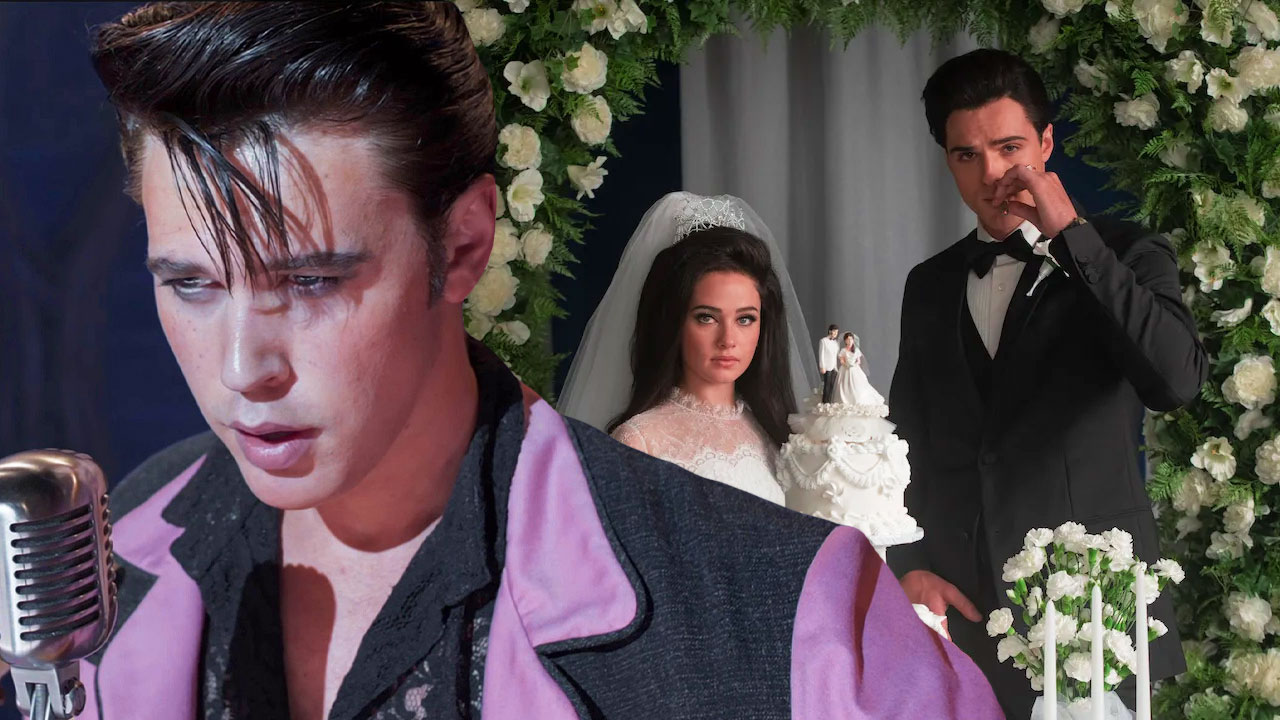
Elordi’s rise feels almost mythic in its speed. The Australian actor exploded into global consciousness as the ultimate heartthrob Noah in Netflix’s The Kissing Booth franchise, then deepened the archetype as the volatile, hyper-masculine Nate Jacobs on HBO’s Euphoria. Nate wasn’t just troubled—he was a walking storm of toxic masculinity, repressed rage, and dangerous charisma. Audiences couldn’t look away. That same dark energy carried him into Emerald Fennell’s Saltburn, where he played the enigmatic Felix Catton, a privileged golden boy whose charm masked deeper voids. By the time he stepped into Sofia Coppola’s Priscilla as Elvis Presley himself, the pattern was clear: tall, brooding, magnetically intense men who pull women (and viewers) into their orbit while hiding pain behind a perfect facade. Even his Oscar-nominated turn as the Creature in Guillermo del Toro’s 2025 Frankenstein adaptation, while transformative in its physicality and vulnerability, still leaned into the archetype of the misunderstood monster—another outsider defined by his imposing presence and inner torment.
Fast-forward to 2026, and Elordi doubled down with Emerald Fennell’s Wuthering Heights, embodying Heathcliff opposite Margot Robbie’s Catherine. The role demanded the same smoldering stares, barely contained fury, and gothic sex appeal that have become his brand. Critics praised the performance, but many noted the familiarity. How many times can an actor smolder through rain-soaked moors or neon-lit locker rooms before the mystery wears thin? Social media still crowns him “the most handsome man alive” in weekly polls, yet whispers in industry circles suggest studios are starting to typecast him as the go-to tall-dark-and-damaged lead. His upcoming sci-fi project The Dog Stars with Ridley Scott may offer escape, but even there early buzz describes his character Hig as a haunted survivor navigating loss—brooding with a capital B.
Austin Butler’s trajectory mirrors Elordi’s with eerie precision. After years of supporting roles and teen-TV stints, Butler detonated as Elvis in Baz Luhrmann’s 2022 biopic. The performance was a masterclass in immersion: the voice, the swagger, the raw vulnerability beneath the rhinestones. It earned him Golden Globe attention and launched him into the stratosphere. Suddenly every director wanted that same blend of rock-star magnetism and quiet intensity. He delivered it as the ruthless Feyd-Rautha in Denis Villeneuve’s Dune: Part Two, a bald, menacing villain whose physicality and stare commanded the screen. Then came The Bikeriders, where he channeled mid-century tough-guy energy alongside Tom Hardy. Darren Aronofsky’s Caught Stealing and Ari Aster’s Eddington in 2025 kept the momentum, casting him as flawed, intense anti-heroes navigating moral gray zones. By 2026, Butler’s slate includes high-profile projects like the Lance Armstrong biopic and a Miami Vice reboot opposite Michael B. Jordan—roles that once again trade on his ability to smolder, seduce, and self-destruct on camera.
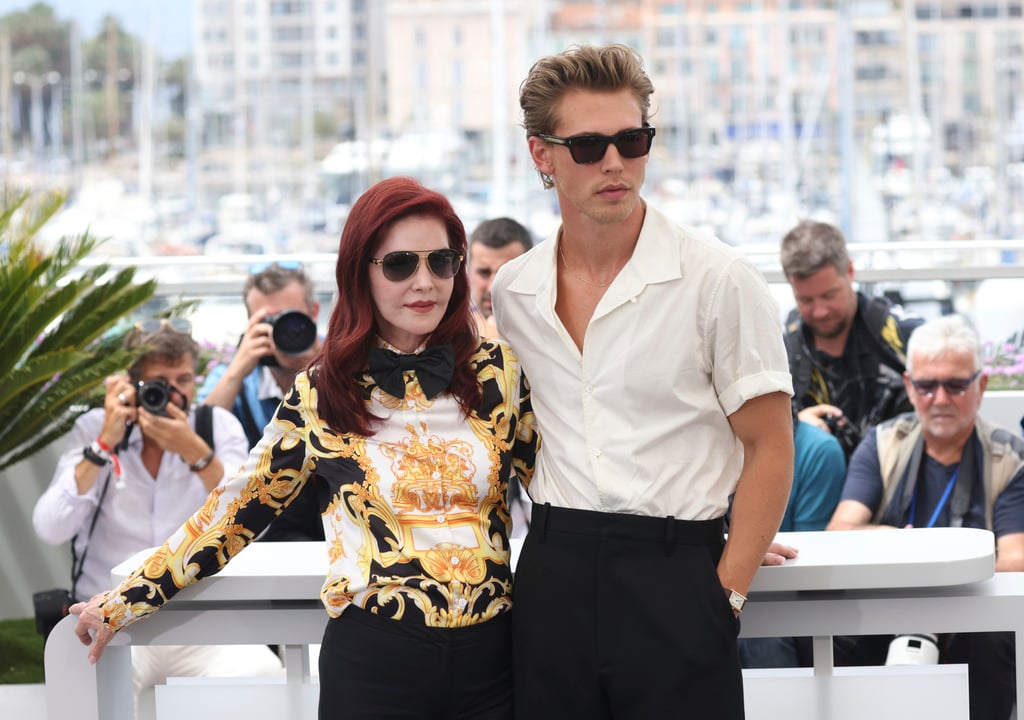
Both men excel at what they do. Their bone structure could launch a thousand cologne campaigns, and their commitment to craft is undeniable. Butler’s legendary method preparation and Elordi’s willingness to disappear into prosthetics prove they aren’t coasting on genetics alone. Yet the repetition is starting to show. Hollywood has a long, ugly history of typecasting handsome actors into the “brooding bad boy” mold until audiences—and the actors themselves—grow exhausted. Think back to the 2000s when every young heartthrob was funneled into vampire or werewolf territory, or the 1990s when sensitive pretty boys were locked into romantic comedies until they aged out. The formula works until it doesn’t. Fans may still flood comment sections with fire emojis under every shirtless clip, but box-office analysts and casting directors are quietly asking whether these two can carry a franchise that demands genuine emotional range rather than another variation on tortured intensity.
This is where the debate turns provocative. Good looks have always opened doors in Hollywood, but they have never been enough to keep them open forever. History is littered with actors whose careers plateaued the moment the “hottest guy” label became their entire identity. The industry’s current beauty standard—tall, angular, vaguely dangerous—feels increasingly dated in 2026. Audiences, shaped by streaming’s endless content buffet and social media’s democratized tastes, are craving something more layered. They want leading men who can be funny without winking, vulnerable without brooding, heroic without six-pack prerequisites. The obsession with “chiseled” features risks reducing actors to aesthetic objects rather than artists. When every red-carpet photo or thirst-trap edit reduces Elordi or Butler to their bone structure, it subtly erodes the very talent that got them noticed in the first place.
Enter the rising stars quietly rewriting the rules. Timothée Chalamet stands at the front of the pack, a living rebuke to the idea that traditional handsomeness is required for stardom. At once boyish and androgynous, Chalamet has built an empire on restless intelligence and fearless shape-shifting. From the tender longing of Call Me by Your Name to the rock-star swagger of A Complete Unknown and the dystopian intensity of Dune, he refuses to be pinned down. He can play awkward, cerebral, chaotic, or charismatic without ever relying on the same smoldering stare. His appeal feels modern precisely because it rejects the old bad-boy template. Fans don’t just thirst over him—they admire him. He proves that screen presence can stem from curiosity, humor, and emotional honesty rather than mere physical perfection.
Barry Keoghan offers another compelling alternative. His features are unconventional—sharp, almost feral—but his performances crackle with unpredictable life. Whether he’s the chaotic opportunist in Saltburn or the quietly devastating supporting player in The Banshees of Inisherin, Keoghan brings a lived-in humanity that makes his characters feel dangerously real. There’s nothing generic about him. He doesn’t coast on jawline; he weaponizes discomfort, vulnerability, and dark humor. In an industry quick to reward symmetry, Keoghan reminds us that magnetism often lives in the imperfections.
Harris Dickinson, Glen Powell, and Jeremy Allen White round out a new guard that values versatility over archetype. Dickinson’s work in Triangle of Sadness and The Iron Claw showed he can swing from satire to raw physicality with ease. Powell turned Top Gun: Maverick’s cocky pilot into a charming everyman and then proved he could carry romantic comedies and action thrillers alike. White’s transformation on The Bear from a scruffy line cook to a man unraveling under pressure demonstrated that audiences will root for actors who look like real people navigating real chaos. These performers aren’t competing in the same “most handsome” polls precisely because they refuse to play the same role twice. Their careers are expanding because their talent refuses to be boxed in.
The deeper issue isn’t just about two talented actors hitting a creative plateau. It’s about Hollywood’s stubborn attachment to outdated ideals of masculinity. For decades the industry sold the fantasy that the ultimate leading man must be tall, dark, brooding, and a little dangerous—the kind of guy who could break your heart but look devastating doing it. Social media has supercharged that fantasy. Algorithms reward the same filtered close-ups and slow-motion walks, creating echo chambers where Elordi and Butler reign supreme. Yet the data from streaming giants tells a different story. Shows and films featuring complex, multifaceted male leads—think the messy vulnerability of The Bear or the quiet strength in Challengers—consistently outperform pure eye-candy vehicles. Audiences are voting with their watches. They want men who feel real, not sculpted.
This shift matters for the next generation of actors and for the culture at large. When we reduce male stardom to chiseled cheekbones and brooding stares, we limit the stories worth telling. We tell young men that their value lies in appearance rather than growth. We tell audiences that empathy and range are secondary to surface appeal. Elordi and Butler have the tools to break free—they’ve already shown flashes of it in their more daring choices. The question is whether Hollywood will let them, or whether the next “brooding bad boy” offer will prove too lucrative to refuse.
As the 2026 awards season winds down and summer blockbusters loom, the handsome-actor debate feels increasingly beside the point. The real conversation should center on who is building careers that matter—who is challenging themselves, surprising audiences, and expanding what a leading man can be. Jacob Elordi and Austin Butler remain formidable talents with undeniable star power. Their looks opened the door, but only substance will keep them in the room for the long haul. Meanwhile, a new wave of actors is already walking through different doors entirely, proving that the most compelling men on screen aren’t always the ones who fit the old mold. They’re the ones who shatter it.
The throne is empty not because Elordi and Butler have vacated it, but because the very idea of a single “most handsome” king feels obsolete. In its place stands something far more exciting: a Hollywood finally ready to celebrate depth over definition, range over repetition, and real human complexity over carefully lit perfection. The bad-boy era had its moment. Now it’s time for something richer, messier, and infinitely more interesting. The actors ready to deliver it aren’t waiting for permission. They’re already on screen— if only we stop scrolling past them to stare at the same two faces.