
🚨 1:15 AM Nightmare in Seven Fields: Husband Murders Wife Then Flees to Woods – Parents’ Desperate 911 Call Reveals Horror
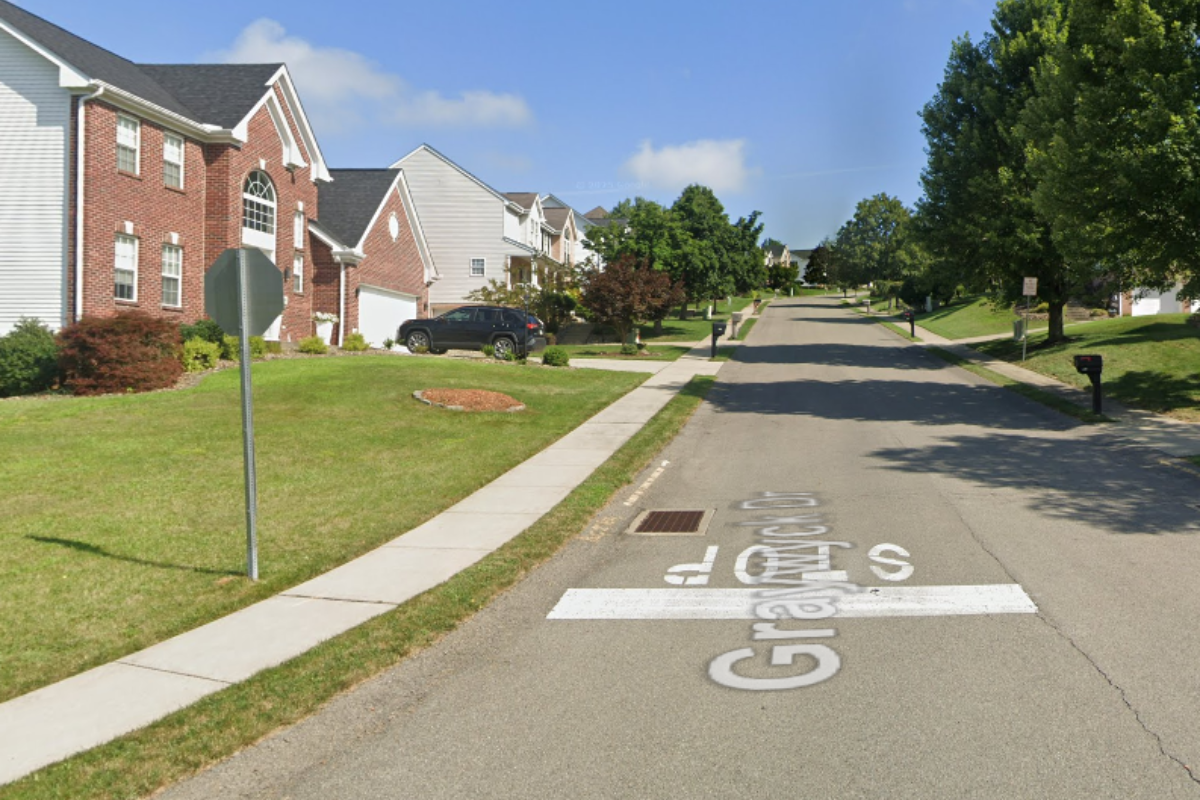
Tragedy pierced the quiet predawn stillness of a suburban cul-de-sac in Seven Fields, Pennsylvania, when emergency responders converged on a modest home along Graywyck Drive shortly after 1:15 a.m. on Tuesday, April 28, 2026. What began as an ordinary night in this leafy Pittsburgh bedroom community—where families raise children amid rolling hills and well-kept lawns—ended in unspeakable horror that would shatter lives, stun high school alumni networks, and send ripples through Pittsburgh’s medical community. Pennsylvania State Police later confirmed the devastating details: 26-year-old Ryan Hosso had fatally shot his 25-year-old wife, Madeline Spatafore, multiple times inside their residence before fleeing into the nearby woods of Cranberry Township, where he turned the gun on himself in a murder-suicide that left investigators searching for answers and a community grappling with disbelief.
The sequence unfolded with chilling precision, triggered by a phone call no parent should ever receive. Hosso dialed his parents— who lived out of state—and confessed to killing his wife while threatening to end his own life. In a desperate bid to save their son and alert authorities, they immediately contacted police. Northern Regional Police Department officers raced to the Graywyck Drive address, only to discover Madeline’s body inside the home, lifeless from multiple gunshot wounds. A frantic search then expanded across the property line into adjacent Cranberry Township. There, in the dense woods behind the house, troopers located Hosso’s body, marked by a single self-inflicted gunshot wound. The entire episode, from the parents’ urgent 911 call to the grim discoveries, spanned mere hours—but its emotional aftermath would linger for years.
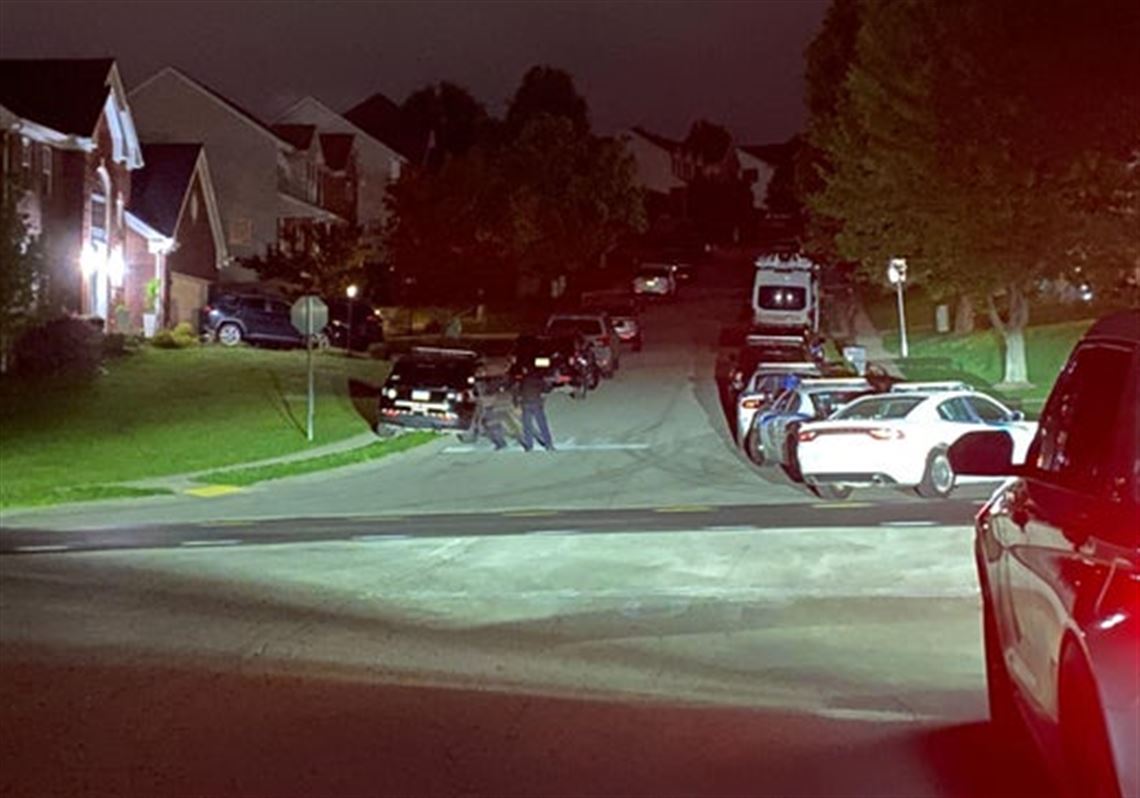
This was no distant urban tragedy. Seven Fields and neighboring Cranberry Township embody the heart of comfortable Pennsylvania suburbia—affluent pockets of Butler County filled with professionals commuting to Pittsburgh’s gleaming skyline, children playing soccer on manicured fields, and neighbors exchanging waves across freshly mowed lawns. Graywyck Drive itself sits in a family-oriented enclave, the kind of place where property records show the home belonged to Madeline’s parents, John and Mishelle Spatafore, providing the young couple a stable foundation as they navigated early married life. Yet on that April night, the veneer of safety cracked wide open, exposing the fragility that can hide behind closed doors.
Madeline Spatafore embodied vitality, promise, and quiet determination. A proud graduate of Seneca Valley High School, where she excelled as a member of the varsity soccer team, she carried the same drive from those Friday night games into her academic and professional pursuits. Classmates remembered her as energetic and compassionate, the kind of teammate who lifted everyone’s spirits while pushing herself to excel both on the field and in the classroom. From the halls of Seneca Valley, she advanced to Duquesne University in Pittsburgh, earning a Bachelor of Science in health sciences and a Master of Physician Assistant Studies. She graduated in 2023 with honors, thriving in the Duquesne Honors College, participating in the Student Association of the American Academy of Physician Assistants, multiple honor societies, and Delta Zeta sorority. Her LinkedIn profile painted a portrait of relentless ambition balanced by genuine warmth and approachability.
By November 2024, Madeline had secured a high-stakes role as a neurovascular critical care physician assistant in the intensive care unit at UPMC Presbyterian Hospital. There, she managed some of the most complex cases—patients recovering from strokes, brain aneurysms, and intricate neurological traumas. Colleagues and mentors described her as precise, empathetic, and unflinchingly dedicated. Philip Clarke, a former director of student services at Duquesne, captured her essence in heartfelt words: “Maddie lit up a room. She was the type of person who was always happy, in a good mood. Everybody loved her.” He added that she was “very smart, very intelligent, very goal-oriented, very driven,” and that UPMC did not hand out such positions lightly—she had earned every opportunity through hard work and talent.

Ryan Hosso, two years her senior, followed a parallel path rooted in the same Seneca Valley High School corridors. He graduated roughly two years earlier, and it was there, amid pep rallies, football games, and teenage milestones, that he and Madeline first connected as high school sweethearts. Friends recalled them as the couple everyone rooted for: she the driven athlete and scholar, he the mechanically inclined young man with a focused intensity. Their romance endured through college and early careers, captured in countless Facebook photos—prom nights, family vacations, autumn hikes, and quiet celebrations of everyday joys. In September 2024, they married in Wooster, Ohio, in a ceremony that, according to their wedding registry on The Knot, marked the start of what many assumed would be a lifetime together. At just 19 months of marriage by April 2026, they had settled into the Graywyck Drive home owned by Madeline’s parents—a practical, loving choice for two young professionals building their futures.
Ryan’s professional journey centered on engineering. His LinkedIn listed him most recently as an applications engineer at BalTec Corporation in Canonsburg, a role arranged through a temporary agency. Earlier, he had worked as a mechanical engineer at Vavco, a Pittsburgh-based firm serving the oil and gas industry. A company spokesperson confirmed he had not been employed there for several years, though a manager who knew him described Ryan as “bright and clever.” Anthony Gianettino, general manager at BalTec, expressed profound shock at the news, offering condolences to the families on behalf of the company.
Behind the polished social media glimpses and professional accomplishments lay the ordinary pressures facing many couples in their mid-20s: demanding careers, the transition to married life, and the subtle stresses of suburban expectations. Madeline’s role in neurocritical care required long hours, emotional resilience, and split-second decisions in a high-tech ICU environment. Ryan’s engineering path involved periods of transition common in technical fields. No public records or statements indicated prior domestic issues; police have described the incident as domestic in nature but released no further details on motive or any history of conflict. The investigation, coordinated by Pennsylvania State Police with assistance from local departments due to the cross-jurisdictional wooded area, remains active as of early May 2026. Trooper Bertha Cazy and others emphasized the thorough, painstaking process of evidence collection involving multiple agencies.
In the days following the tragedy, grief washed over those who knew and loved the couple. Duquesne University, Seneca Valley School District, and UPMC issued statements of condolence, highlighting Madeline’s academic excellence and compassionate care. Social media platforms filled with tributes: former sorority sisters sharing photos of her infectious smile, high school teammates recounting stories of her leadership on the soccer pitch, and UPMC colleagues mourning a promising clinician whose patients had relied on her expertise. One local news anchor captured the collective disbelief: “Those who knew and loved Madeline Spatafore continue to grieve.” Neighbors on Graywyck Drive described the surreal shift from routine suburban life to crime scene tape and news vans lining the street.
The tragedy also forced uncomfortable conversations about intimate partner violence and murder-suicides nationwide. Authorities estimate hundreds of such incidents occur annually in the United States, with firearms involved in the vast majority and male perpetrators targeting female partners in domestic settings. Pennsylvania, with its strong gun culture and rural-suburban mix, is no stranger to these hidden crises. While no one can retroactively identify warning signs in this specific case—police have shared none—experts note that sudden confessions to family, employment transitions, or unspoken emotional struggles can sometimes signal deeper turmoil. Resources like the 988 Suicide and Crisis Lifeline and the National Domestic Violence Hotline stand ready for anyone feeling overwhelmed or trapped. In the wake of this loss, advocates across Pennsylvania urge communities to prioritize open dialogue, mental health check-ins, and proactive support before despair escalates.
Seven Fields itself seemed to hold its breath in collective mourning. The suburb, known for its proximity to Pittsburgh’s opportunities while retaining a close-knit, small-town feel, prides itself on safety and neighborly bonds. Cranberry Township’s wooded trails—popular for hikes, dog walks, and family outings—now carry a heavier weight, a reminder that violence can invade even the most serene landscapes. Property values and school reputations in the Seneca Valley district had long attracted families seeking stability; now, parents quietly vowed to check in on loved ones more frequently and watch for subtle signs of distress.
Madeline’s career trajectory underscored everything that was lost. Neurovascular critical care at UPMC Presbyterian demands not only technical precision but also profound human connection—monitoring intracranial pressures, coordinating with neurosurgeons, and guiding terrified families through uncertainty. Her honors-college background and sorority leadership suggested she was poised for even greater impact, perhaps mentoring future physician assistants or advancing patient-care standards. Ryan’s engineering roles reflected a mind suited for problem-solving and innovation—skills that could have contributed to meaningful projects in a growing technical sector.
Their shared Seneca Valley roots added layers of poignancy. The district, serving families from Harmony and surrounding areas, emphasizes academics, athletics, and community. Madeline’s soccer days likely involved early-morning practices and team bus rides that forged lifelong bonds. Ryan, attending her games from the stands, watched their romance deepen amid those formative years in western Pennsylvania—years shaped by values of hard work, resilience, and togetherness.
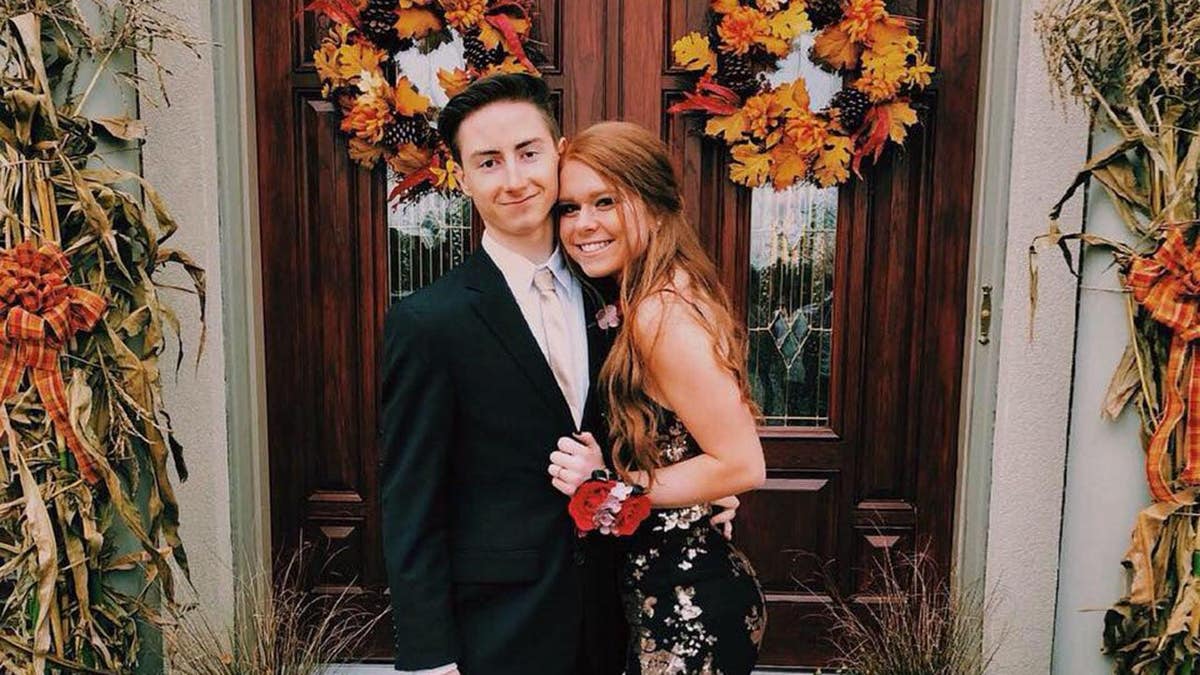
As investigators continue analyzing forensic evidence, ballistics, timelines, and digital footprints, the public narrative remains one of profound, inexplicable loss. No arrests. No ongoing threat. Just two bright young lives extinguished in a single, irreversible night. Friends and family have begun planning private memorials, while online tributes feature photos of the couple arm-in-arm, Madeline’s long hair catching the light, Ryan’s steady gaze beside her—one image showing them dressed for a formal event with autumn wreaths framing a doorway, frozen in a moment of promise.
Larger questions linger about the pressures facing young couples in their mid-20s today. Early marriage, intense careers, economic realities, and the curated perfection of social media can compound stress in ways that outsiders rarely see. The absence of a clear motive leaves only space for empathy, reflection, and a renewed call to vigilance. Pennsylvania State Police have pledged a complete investigation, but for now, the focus rests on honoring the victims rather than speculation.
The wooded area where Ryan was found, once a backdrop for neighborhood adventures, now symbolizes finality. First responders who combed those trees under flashlight beams carried the weight of what they uncovered. Coordinated efforts between local and state forces ensured a swift response, yet nothing could undo the irreversible.
Communities heal slowly. Seneca Valley alumni groups have organized virtual vigils. Duquesne’s campus, where Madeline once thrived in honors programs and Greek life, may honor her memory through scholarships or memorials. UPMC Presbyterian staff, accustomed to saving lives daily, now mourn one of their own who worked tirelessly to do the same. BalTec employees remember a colleague described as clever and promising.
Ultimately, this story transcends any single headline. It is about a young woman whose smile brightened rooms and whose skills eased suffering in an ICU. It is about a couple whose high school romance endured into marriage, only to end tragically in the woods behind their suburban dream home. It is a stark reminder to neighbors, friends, and families: check in, listen closely, and recognize that behind polished feeds and professional successes can lie unseen battles.
As Seven Fields returns to its rhythms—kids heading to school, commuters to Pittsburgh—the memory of Madeline and Ryan will endure in quiet conversations and heartfelt tributes. Theirs was a life cut short by forces still under investigation, but the legacy of Madeline’s compassion and the couple’s shared history offers a powerful reminder of human fragility. In moments of darkness, resources stand ready: dial 988 for immediate crisis support or reach out to loved ones before isolation deepens. No one should face despair alone.
The investigation continues, with state police emphasizing patience as evidence is meticulously analyzed. For the families—Madeline’s parents in the very home where tragedy struck, Ryan’s parents who made that fateful 911 call—the road ahead is paved with unimaginable grief. Pennsylvania, and the nation, pauses to acknowledge two bright futures extinguished far too soon, urging vigilance, empathy, and proactive mental health awareness in every community. The lights on Graywyck Drive have dimmed, but the questions—and the urgent call to care—remain etched in the hearts of all who heard this heartbreaking story.