Keith Whitley’s Final Days: The Letter That Remains Unopened
The story of Keith Whitley remains one of the most haunting in country music history—defined not only by his meteoric rise, but by the unanswered questions he left behind. On May 9, 1989, in Goodlettsville, Tennessee, Whitley was found dead at the age of 33, his life cut short at a moment when his career appeared to be reaching its peak. His blood alcohol level was reported at 0.47, a figure that underscored the severity of his long-documented struggle with alcohol.
Just weeks before his death, Whitley had written a letter to his wife, Lorrie Morgan, with specific instructions: it was to be opened only “if the worst happened.” That moment came, but the letter was never read. Decades later, it remains sealed—an intensely personal artifact tied to one of country music’s most tragic losses.
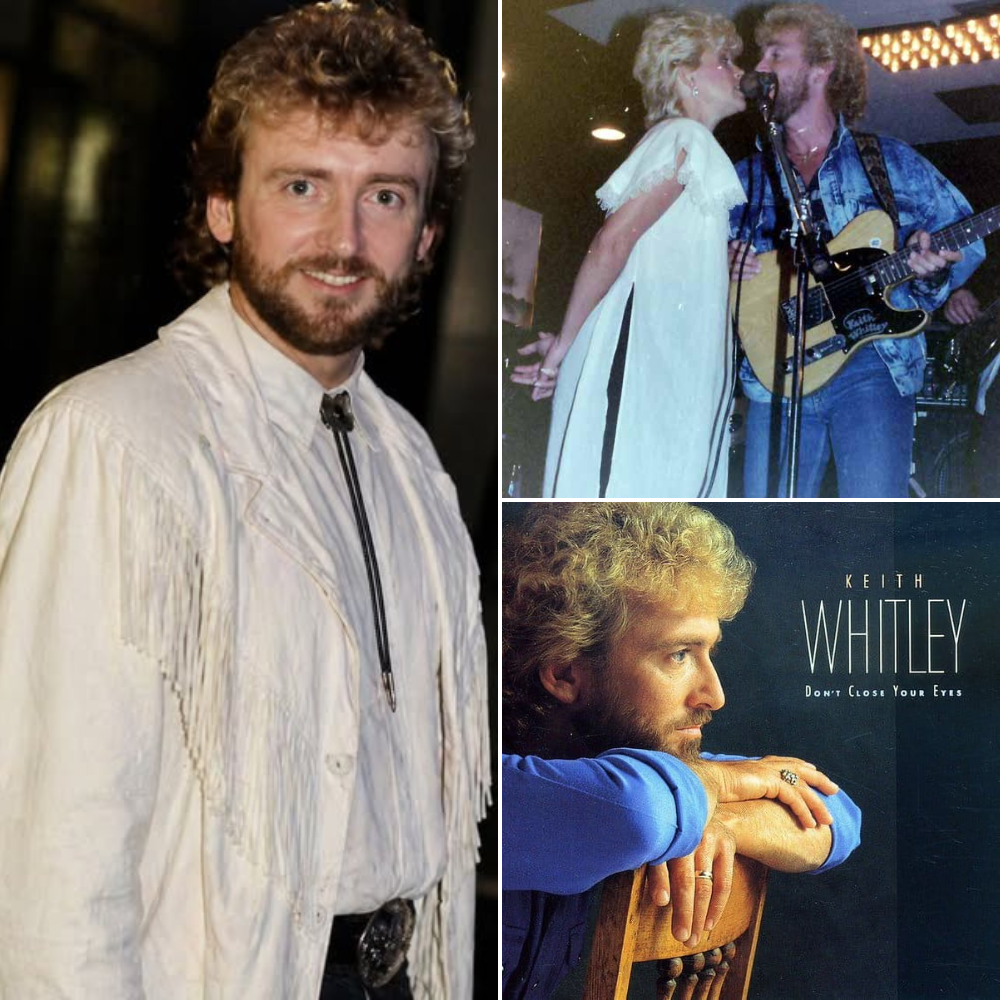
At the time of his death, Whitley was widely regarded as one of the genre’s most promising voices. His 1988 hit “Don’t Close Your Eyes” had reached No. 1 and cemented his place among country music’s rising elite. Industry figures and fans alike saw him as a potential successor to traditionalist icons such as George Strait and Lefty Frizzell—artists known for their emotional depth and vocal precision. His trajectory suggested not just success, but lasting influence.
Behind the success, however, was a persistent battle with addiction. Whitley had experienced periods of sobriety, but relapses were part of an ongoing cycle that ultimately proved fatal. Reports from that day indicated that he was found with a bottle of bourbon still in his hand, a stark image that has since become symbolic of the struggle he faced. At home, his family life continued—his son Jesse was just two years old at the time.
Morgan’s decision to keep the letter unopened has become one of the most discussed elements of Whitley’s legacy. In a 2007 interview with Larry King, she confirmed that she had never read it, despite the passage of time. The letter, stored in a safety deposit box in Nashville, has remained untouched for decades. As of recent accounts, including inquiries as late as 2024, the envelope is still sealed.
The significance of that choice has been interpreted in different ways. For some, it reflects a desire to preserve a boundary—keeping certain emotions or truths private. For others, it represents the weight of grief, where opening the letter might mean confronting a final message that cannot be changed. Whatever the reason, the letter has taken on a symbolic role, standing as a silent reminder of a life interrupted and words left unread.
More than three decades after his death, Whitley’s music continues to resonate, and his story remains a point of reflection within the industry. His voice, often described as both technically precise and emotionally raw, left a lasting imprint despite the brevity of his career. Yet alongside that legacy is the enduring mystery of the letter—a personal message that, even now, remains unknown.