😱 Two Brilliant Doctoral Students Stabbed & Dumped — Their Roommate’s Disturbing ChatGPT History Revealed 🔥
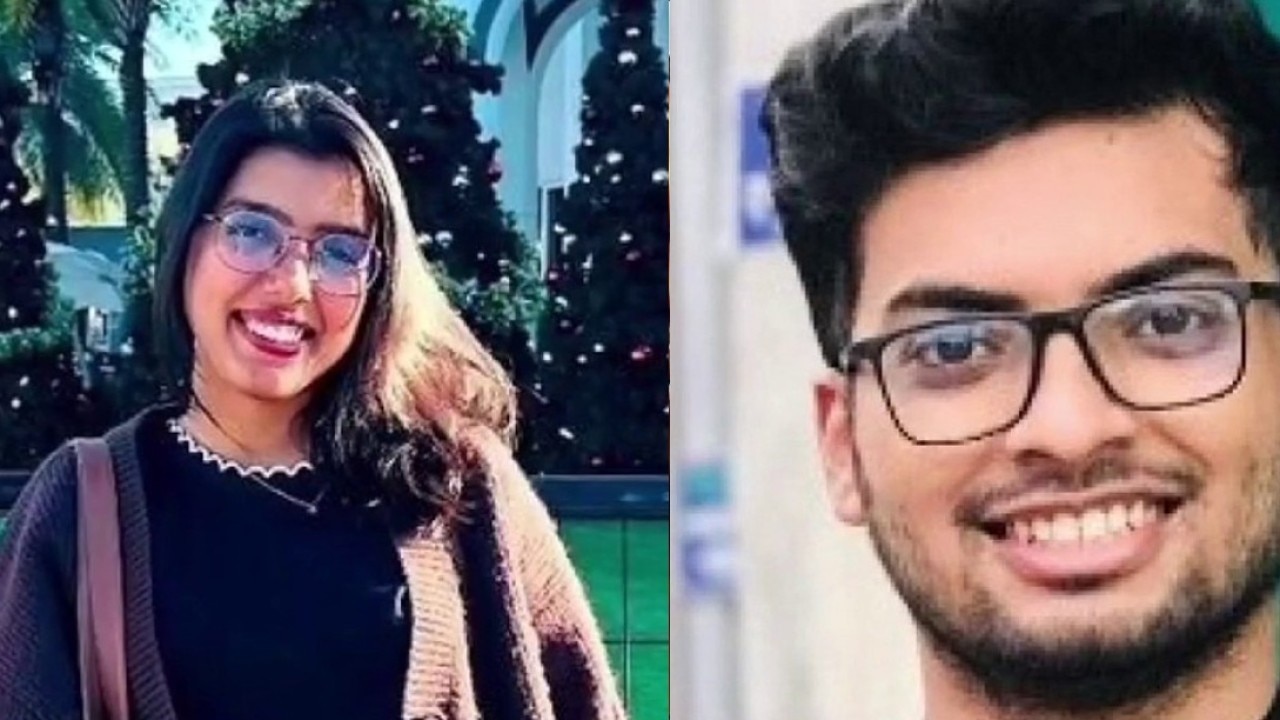
The serene academic world of the University of South Florida cracked wide open in April 2026 when two brilliant 27-year-old doctoral students vanished without a trace. Zamil Limon and Nahida Bristy, both dedicated researchers chasing advanced degrees far from their homes in Bangladesh, were last seen on April 16. What began as a missing persons case quickly spiraled into one of the most chilling homicide investigations in Tampa history. Their roommate, Hisham Abugharbieh, now stands accused of two counts of first-degree premeditated murder with a weapon. The evidence prosecutors have laid out is nothing short of horrifying: blood-stained floors, victims’ belongings shoved into a trash compactor, and a string of cold, calculated ChatGPT queries about dumping bodies, changing car VIN numbers, and silencing gunshots days before the disappearances. This is the story of two young lives full of promise, cut short in a nightmare that has left an entire university community reeling and the public demanding answers.

Zamil Limon and Nahida Bristy represented everything hopeful about international education. Both 27, they had traveled thousands of miles to Tampa to pursue doctoral studies at USF, one of Florida’s premier research institutions. Limon was known among peers for his quiet intensity and sharp mind, often buried in lab work or late-night discussions about his field. Bristy brought warmth and energy to the tight-knit circle of graduate students, her smile and dedication making her a favorite in study groups and campus events. They were more than classmates; they were close friends navigating the challenges of life abroad together—visa stresses, cultural adjustments, and the relentless pressure of doctoral research. Their disappearance on April 16 sent immediate ripples of fear through the USF campus and the broader Tampa Bay area. Friends reported them missing after they failed to show up for scheduled meetings and classes. What no one could have imagined was that the danger was hiding in plain sight, inside the very apartment Limon shared with his roommate.
Hisham Abugharbieh, the 26-year-old roommate, initially appeared cooperative. He lived with Limon in a modest off-campus apartment, the kind many graduate students choose for affordability and convenience. But beneath the surface, authorities say, something dark was brewing. Abugharbieh was taken into custody on April 24 after a tense standoff at a Hillsborough County home. He now faces the full weight of two first-degree premeditated murder charges. Court records and statements from the Hillsborough County Sheriff’s Office paint a picture of meticulous planning rather than a spontaneous act of violence. The case has captivated true-crime followers not just because of the brutality, but because of the digital breadcrumbs left behind—disturbing conversations with artificial intelligence that read like a blueprint for the perfect crime.
Let’s walk through the timeline as prosecutors have reconstructed it, because every detail adds another layer of dread. Three days before the disappearances, on April 13, Abugharbieh allegedly turned to ChatGPT with a question that now feels prophetic: how to place a human body in a dumpster. When the AI warned of the extreme danger and legal consequences, he reportedly replied, “How would they find out?” The very next day, April 15, his queries turned even more ominous. He asked about changing a vehicle’s VIN number and whether it was possible to keep a gun at home without a license. On the night of April 16—the last time Limon and Bristy were seen alive—security footage captured a Hyundai matching Abugharbieh’s vehicle heading toward Sand Key Park via the Courtney Campbell Causeway. Limon’s cell phone last pinged in that exact area before going dark. A CVS receipt timestamped 10:47 p.m. for trash bags, Lysol wipes, Febreze, Funyons snacks, and Irish Springs body wash later turned up in a dumpster near the apartment. The items were linked to a DoorDash order placed through Abugharbieh’s phone, something he later denied making.
The physical evidence discovered inside the shared apartment is equally damning. Blood spots stained the carpet in Abugharbieh’s bedroom. A kitchen floor mat and silver duct tape both tested positive for blood. Under his bed, investigators found trash bags and more duct tape. Bristy’s personal items—her purse, USF ID card, sneakers, umbrella, and iPhone case—had been stuffed into the apartment’s trash compactor, along with Limon’s wallet, glasses, and blood-stained clothing. It was as if someone had tried to erase every trace of the victims’ presence in a frantic, methodical cleanup.
Limon’s body was discovered on April 24 along the Howard Frankland Bridge, nude and stabbed multiple times. The location, a major Tampa Bay artery, suggested a deliberate choice to dispose of evidence in a place where it might be spotted by commuters or washed away by the water. A second set of human remains was later found in the waterways near Interstate 275 and 4th Street North on April 26, though authorities have been cautious about immediately linking it to the case. As of the latest updates from the investigation, both victims’ remains have been positively identified, confirming the worst fears of their families and friends. The manner of death—multiple stab wounds—points to a deeply personal and violent attack rather than a quick, impersonal killing.
Abugharbieh’s behavior after the disappearances only deepened suspicions. On April 19, while the search for the missing students was in full swing, he reportedly asked ChatGPT, “Has there been someone who survived a sniper bullet to the head?” and “Will my neighbors hear my gun?” These queries, recovered through forensic digital analysis, have become central to the prosecution’s argument for premeditation. When first questioned, Abugharbieh denied that Limon and Bristy had even been in his car. He claimed he was simply scouting fishing spots that night. Later, he admitted to driving Limon to a location but insisted he only dropped him off and had no involvement in the violence. His shifting statements, combined with the physical and digital evidence, have left little room for doubt in the eyes of investigators.
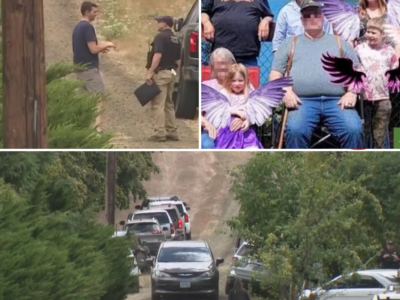
The arrest itself unfolded dramatically. On April 24, law enforcement surrounded a home in Hillsborough County where Abugharbieh had taken refuge. After a standoff, he surrendered peacefully. He was taken into custody with a visible cut on his left pinky finger, an injury detectives noted during initial interviews. He remains held without bond, and a pre-trial hearing was scheduled for April 28. As the case moves forward, prosecutors are building what appears to be an airtight narrative of calculated murder. The ChatGPT searches, in particular, have sparked widespread conversation about the double-edged sword of artificial intelligence—how a tool meant to assist everyday tasks can allegedly be twisted into something far more sinister.
Beyond the courtroom, this tragedy has shaken the University of South Florida to its core. Graduate students, especially international ones like Limon and Bristy, often live in a pressure-cooker environment. Long hours in labs, financial strain, isolation from family, and the constant fear of falling behind can create invisible cracks in even the strongest support systems. Friends of the victims have described them as kind, ambitious, and deeply committed to their studies. They were not just numbers in a program; they were part of a vibrant community of scholars from around the world who leaned on each other for support. The realization that the threat came from inside their own living space has left many questioning the safety of off-campus housing and the adequacy of roommate vetting processes.
University officials have responded by launching an internal review of student safety protocols. Counseling services have seen a surge in demand as students process grief and fear. Vigils have been held on campus, with candles flickering in memory of two young people whose futures were stolen. Messages of condolence have poured in from faculty, fellow researchers, and even international academic networks. The loss feels especially cruel because Limon and Bristy were so close to achieving their goals. Doctoral programs demand years of sacrifice, and they were in the final stretch—only to have everything ripped away in a single night of unimaginable violence.
The families back in Bangladesh are devastated. Though separated by oceans, they had stayed connected through video calls and messages, proud of the strides their children were making in America. The news of the disappearances, followed by the grim discoveries, has been described as a nightmare from which they cannot wake. Some relatives have spoken privately about subtle warning signs—unease in conversations, changes in the students’ usual optimism—that now feel like missed opportunities to intervene. While the investigation continues to unfold, these personal accounts add another heartbreaking dimension to an already devastating story.
What makes this case particularly haunting is the role of technology. ChatGPT, the same AI millions use daily for writing emails or brainstorming ideas, was allegedly consulted for advice on concealing a crime. The queries were not random; they formed a pattern that escalated in the days leading up to April 16. Legal experts following the case note that such digital evidence is increasingly common in modern prosecutions, offering a window into a suspect’s mindset that traditional forensics cannot always provide. Yet it also raises uncomfortable questions about privacy, AI ethics, and whether platforms should flag or report certain types of dangerous inquiries.
As the legal process advances, the Hillsborough County Sheriff’s Office has remained measured in its public statements to protect the integrity of the investigation. Public Relations Coordinator Brittany Muller emphasized that authorities will only release information that does not compromise the case. Still, the details that have emerged—blood evidence, discarded personal items, and those eerie ChatGPT logs—have fueled intense media coverage and public outrage. True-crime communities online have dissected every update, while local residents express shock that such horror could unfold in their backyard.
The broader implications stretch far beyond this one apartment in Tampa. Graduate student housing safety, mental health support for high-stress academic environments, and the vulnerabilities faced by international students are all under scrutiny. Many young scholars arrive in the United States full of hope, only to encounter unexpected challenges—loneliness, financial pressure, and sometimes toxic living situations. This case serves as a painful reminder that safety cannot be taken for granted, even among educated, ambitious peers.
For now, the focus remains on justice for Zamil Limon and Nahida Bristy. Their memories deserve to be honored not just through mourning, but through meaningful changes that prevent similar tragedies. The academic community at USF and beyond has rallied, promising to carry forward the spirit of curiosity and kindness that defined these two students. As prosecutors prepare for trial, the evidence they have assembled tells a story of premeditation, betrayal, and unimaginable loss.
The Tampa Bay bridges, once symbols of connection across the water, now carry a darker resonance. The apartment that should have been a safe haven became the starting point of a nightmare. And the ChatGPT conversations that were meant to be private have become the most damning evidence of all. Two bright futures were extinguished in a single, calculated act of violence. Their stories—filled with ambition, friendship, and quiet determination—will not be forgotten. In the days and weeks ahead, as more details emerge in court, the world will continue watching, hoping that truth and accountability can bring at least a measure of peace to those left behind.
This case forces us all to confront uncomfortable truths about trust, technology, and the hidden dangers that can lurk in everyday relationships. Zamil Limon and Nahida Bristy came to America seeking knowledge and opportunity. Instead, they found betrayal in the one place they should have been safest. Their loss is a wound that will take years to heal, but their legacy—as dedicated scholars and beloved friends—will inspire continued calls for better protections and greater vigilance in academic communities everywhere.