
🔥 Police Grab Purple Tablet & Brother’s Phone From Home Where Eve Rogers Was Found Dead – Chilling New Twist in Case That Shocked America!
A black Amazon tablet with a bright purple case — found right there on the floor of a dead 12-year-old girl’s bedroom. A Samsung cellphone belonging to her 17-year-old brother, the last person known to have seen her alive. And an HP laptop sitting open with a YouTube page still loaded. These are the chilling new pieces of evidence investigators have quietly seized from the Enfield, Connecticut home where little Eve Rogers was discovered lifeless just weeks ago. As forensic teams now pore over every message, search history, chat log, and deleted file, the questions grow louder and more disturbing: What online world was this autistic child navigating in secret? Who was she talking to on Roblox and Discord? And could these devices hold the key to unlocking the full, horrifying truth behind her death?
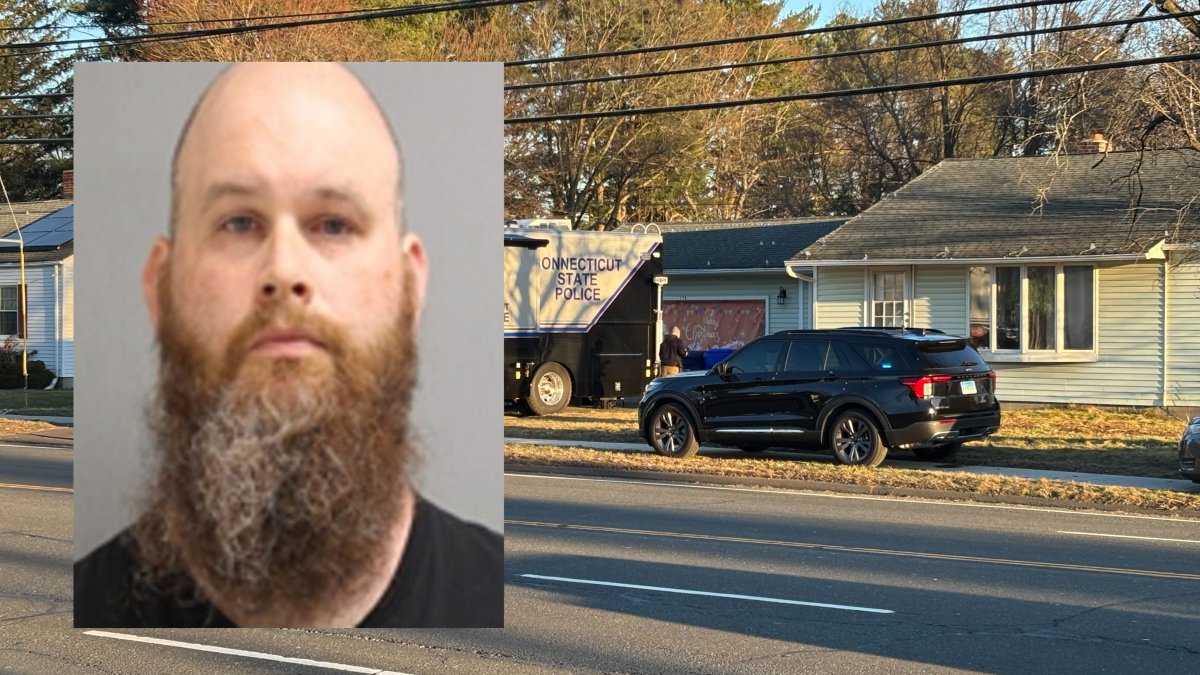
The seizure of these digital devices, confirmed through newly released search warrants obtained by local media, has injected fresh urgency — and fresh dread — into an already shocking case. Eve Rogers, a feisty, energetic 12-year-old with autism, was found dead in her locked bedroom on March 18. Her stepfather, 39-year-old Anthony Federline, now sits behind bars facing first-degree sexual assault and risk of injury to a minor charges after his DNA matched evidence from a sexual assault kit performed on her body. But the official cause of death remains undetermined, toxicology results are still pending, and the investigation has now turned sharply toward the digital shadows where a vulnerable child may have been living a hidden second life.
It all began with a haunting bodycam video released by Enfield police. On March 11, just after 2:30 a.m., officers responded to a call at a Mobil gas station. There was 12-year-old Eve — small, alone in the cold night — trying to walk out with a stolen Monster energy drink. “I was bored,” she told the officer, her voice calm but heartbreakingly matter-of-fact. The compassionate cop didn’t arrest her. He paid for the drink himself, gave her a courtesy ride home, and sat down with her mother, Melanie Federline. Melanie explained that Eve had autism, had never done anything like this before, and was strictly not allowed out at night. The officer left after ensuring the girl was safely inside. Seven days later, Melanie found her daughter face-down on the bedroom floor, naked from the waist down, a blanket only partially covering her. Scattered nearby were pills — some marked “Aspirin,” others unidentified. Blood and fluids were visible near her nose.

The discovery triggered immediate horror. In the home on Elm Street, police also found a separate bedroom belonging to a 17-year-old male (Eve’s brother) containing a plate piled with blue pills later identified as amphetamine and dextroamphetamine, along with numerous pill bottles. Anthony Federline, who had been working as a school bus driver for just six months, was arrested. His DNA on the sexual assault kit provided probable cause for the charges. Yet questions lingered: Was there more to Eve’s death than the assault? Were drugs involved? And what role, if any, did the family’s unconventional lifestyle play?
Now, the seized devices are raising even more disturbing possibilities. According to search warrant affidavits, the Amazon tablet with the purple case belonged to Eve herself and was recovered from her own bedroom. The Samsung cellphone was her brother’s — the same brother who was the last person to see her alive. The HP laptop was found on the floor of Eve’s room with a YouTube page open, suggesting it may have been in active use right up until the moment tragedy struck. Police affidavits reveal that Melanie Federline herself told investigators her daughter had been engaging in “sexual conversations” online. Eve was known to play the popular children’s game Roblox and chat with others through the Discord app — platforms where predators can easily hide behind anonymous avatars.
For anyone following this case, the digital angle feels like a ticking time bomb. Forensic experts are now hunting for deleted messages, private chats, search histories, location data, and even potential grooming patterns. Did Eve connect with strangers who exploited her autism and curiosity? Did those conversations cross into dangerous territory? Could the brother’s phone contain texts or calls that shed light on the final hours? And the laptop — what videos was Eve watching? What tabs were open? The purple-cased tablet, a device meant for innocent games and learning, may now hold the darkest secrets of all.
The family’s background only deepens the intrigue. Eve had been homeschooled since September 2023 after Melanie withdrew her from public school. The household ran an online energy healing and tarot card reading business, blending alternative spirituality with everyday life. Melanie described her daughter as “the sweetest, feistiest little girl you’d ever meet” — healthy, well-cared for, full of life despite her autism. Neighbors recalled a seemingly normal blended family. Yet the late-night wandering, the pills in multiple rooms, the locked bedroom, and now the digital devices paint a far more complex and troubling picture.
Autism experts watching the case note that children on the spectrum can be especially vulnerable to online exploitation. They may struggle with impulse control, social cues, and understanding risks. Boredom — the same word Eve used that night — is a common trigger for seeking stimulation anywhere they can find it, including the internet. Roblox and Discord, while popular, have repeatedly been flagged by child safety advocates for inadequate moderation. Predators know this. A 12-year-old chatting “sexually” online, as her own mother reportedly told police, raises immediate red flags about grooming, sharing of explicit content, or even coordination with someone inside or outside the home.
The timing of the device seizures adds another layer of suspense. Warrants were served just last week — weeks after the death and after Anthony’s arrest — suggesting investigators believe these electronics could provide probable cause for additional charges, possibly including murder if toxicology or digital evidence links the assault to Eve’s death. The brother, while not named a suspect, is now squarely in the spotlight because his phone was seized and he was the last to see Eve alive. Police have not commented publicly on whether he is cooperating or what, if anything, they expect to find.
Connecticut’s Department of Children and Families (DCF) had already opened an investigation following the March 11 bodycam incident, yet Eve remained in the home. That narrow seven-day window between the courtesy ride and her death now feels excruciatingly short. Critics are asking whether the system failed to act on subtle warning signs — the unsupervised night wandering, the mother’s explanation of autism, the family’s alternative lifestyle that may have limited traditional oversight.
As forensic analysis of the devices continues, the public is left to speculate on what bombshells might emerge. Could there be messages between Eve and her stepfather? Conversations with strangers that escalated? Evidence of drug procurement or sharing? The brother’s phone might reveal texts about the pills found in his room or knowledge of what happened that night. The laptop’s YouTube history could show what Eve was consuming in her final hours — innocent cartoons or something far darker?
This case has already ignited fierce debate across Connecticut and beyond. Autism advocacy groups are calling for better training for first responders and schools on recognizing digital risks for neurodivergent children. Child safety experts point to Roblox and Discord as known hunting grounds for predators. Lawmakers may soon face pressure to strengthen homeschooling oversight and mandatory reporting when minors are found wandering at night.
For Enfield residents, the tragedy feels personal. The quiet neighborhood on Elm Street, once unremarkable, is now the center of national attention. Vigils with candles and flowers continue near the gas station where Eve was last seen on bodycam. Online forums buzz with theories: Was it overdose? Foul play? A combination? The purple tablet — a child’s device turned potential evidence — has become a haunting symbol in local discussions.
Melanie Federline has remained largely silent since the initial statements, grieving while cooperating with authorities. Anthony Federline remains in custody, his life as a school bus driver and energy healer upended by the charges. The 17-year-old brother’s role, once peripheral, now carries heavy weight with his phone in police hands.
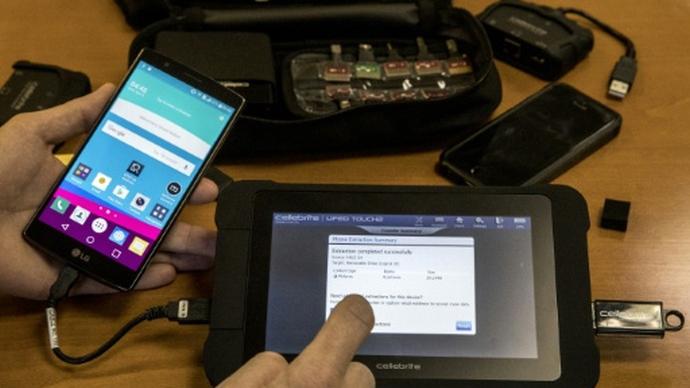
As weeks stretch into months, the digital investigation could take center stage in any future court proceedings. Forensic recovery of deleted data can take time, but modern tools can resurrect even “erased” conversations. Every emoji, every voice note, every searched term could become evidence.
Eve Rogers was more than a statistic or a headline. She was a bright, bored 12-year-old seeking excitement in the only ways she knew — first a stolen energy drink at 2:38 a.m., then perhaps the vast, unregulated world of online gaming and chatting. Her autism made her uniquely trusting and uniquely at risk. The bodycam captured her innocence in the night. The seized devices may now capture the hidden dangers that followed her home.
The purple tablet and Samsung phone are no longer just electronics. They are digital witnesses, silent keepers of secrets that could rewrite this tragedy’s ending. Did they record grooming? Drug deals? Family arguments? A final desperate cry for help that no one heard?
Until the forensic reports drop, the questions hang in the air like unanswered messages in a deleted chat. What did Eve see and say online in those final days? Who was on the other side of the screen? And could one purple-cased tablet and one brother’s cellphone finally explain why a 12-year-old girl never woke up?
The investigation presses on, driven by technology that promises truth even when humans stay silent. For Eve’s memory, for every autistic child navigating both the real world and the digital one, the stakes could not be higher. One tablet. One phone. One laptop. In their circuits and codes may lie the answers — or the next devastating revelation — that this small Connecticut town and a grieving nation are waiting to hear.
The purple case still sits in an evidence locker somewhere, its screen dark but its memory very much alive. Whatever it reveals next could change everything.