Wedding Night Nightmare: Husband Who Brutally Killed Bride in Bathtub Finally Extradited to Face Justice After Years on the Run.
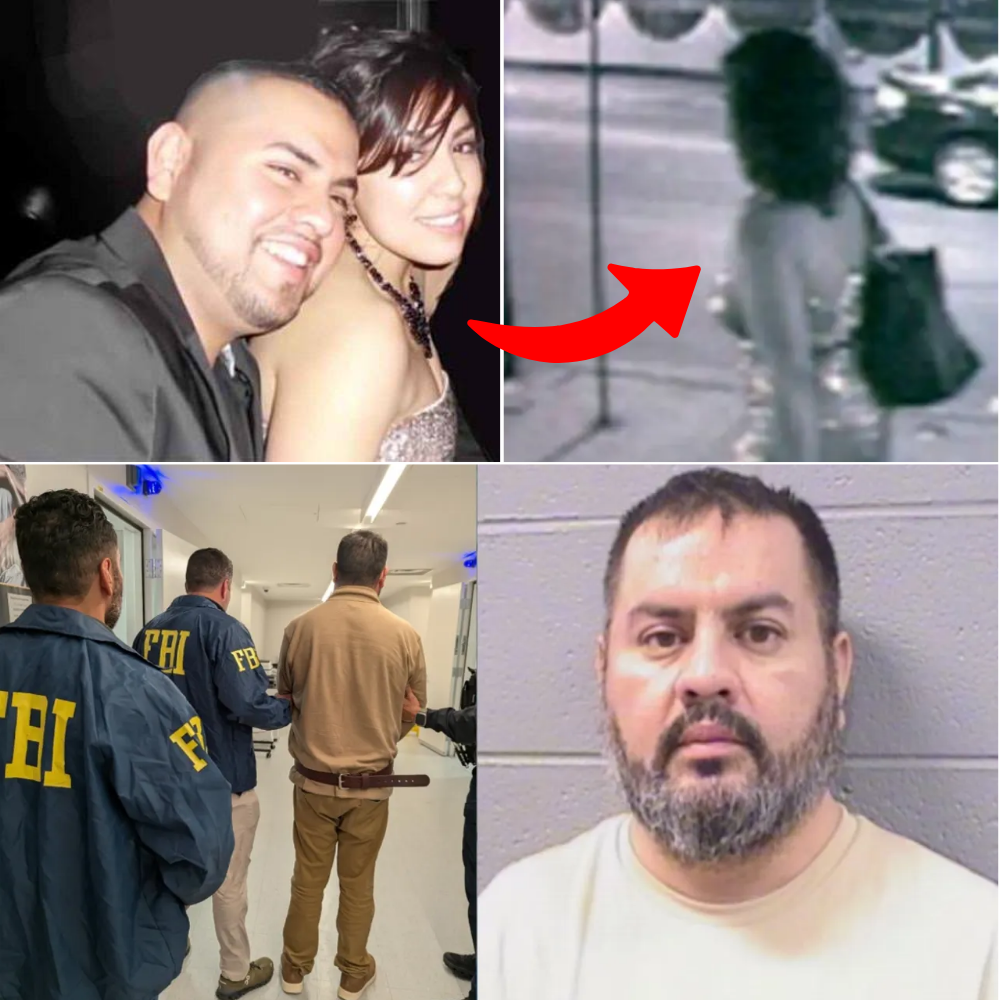
A fairy-tale wedding at Chicago City Hall quickly descended into unimaginable horror when a newlywed husband allegedly stabbed his bride to death less than 48 hours later, leaving her body in the bathtub of her Burbank, Illinois apartment—still clad in her elegant silver wedding dress. Now, after more than a decade as a fugitive on the FBI’s Ten Most Wanted list, Arnoldo Jimenez has been captured in Mexico and extradited back to the United States to answer for the chilling crime.
The tragedy unfolded in May 2012. Estrella Carrera, a vibrant 26-year-old mother of a young son, married Jimenez in a civil ceremony. What should have been the start of their shared life ended in bloodshed. On May 13, police discovered Carrera’s body in her apartment bathtub. She had been stabbed multiple times—reports indicate over 18 wounds—allegedly inside Jimenez’s black Maserati before he dragged her inside and left her there. The gruesome scene shocked investigators and the community, especially as the bride remained in her wedding attire, a haunting symbol of love turned lethal.
A key witness later came forward with disturbing details. They observed Jimenez with visible injuries to his face and heard him recount a violent struggle with Carrera. According to accounts, he spoke openly about the confrontation and even hinted at his plans before fleeing the Chicago area. Jimenez evaded capture for years, becoming one of the FBI’s most notorious fugitives until his arrest in Monterrey, Mexico, in early 2025. He was recently returned to Chicago, where he now faces first-degree murder charges and unlawful flight to avoid prosecution.
The Devastating Human Cost and Lingering Questions Estrella Carrera was more than a victim; she was a young mother with dreams for her child and future. Her death left a little boy without his mom and a family shattered by betrayal from within. The choice of the bathtub as the final resting place adds a layer of cold calculation that feels profoundly personal and cruel. From my perspective, this case exemplifies how domestic violence can escalate fatally even in the honeymoon phase. Many relationships harbor warning signs—jealousy, control, or sudden rage—that loved ones might overlook in the excitement of marriage. Jimenez’s flight and prolonged evasion only compounded the pain, denying justice for over 13 years.
Witness testimonies about the facial injuries and admissions of a “giằng co” (struggle) suggest the killing stemmed from a heated argument that spiraled out of control. Yet the premeditated act of moving the body points to intent to conceal. These elements raise critical insights into abuser psychology: moments of vulnerability post-wedding can trigger explosive responses in unstable individuals. Society must prioritize education on red flags, mandatory counseling for at-risk couples, and swift intervention systems.
Justice Delayed, But Not Denied Jimenez’s extradition brings a measure of closure, but the emotional scars remain. The FBI’s persistent pursuit highlights the power of international cooperation in fugitive cases. For Estrella’s loved ones, this return to court may offer answers, though nothing can restore what was lost. As we reflect, this tragedy serves as a stark warning: cherish and protect relationships, but never ignore signs of danger. Communities thrive when we support new families and hold perpetrators accountable, no matter how long it takes.
Broader lessons emerge around wedding stress, post-ceremony pressures, and the need for robust safety nets for women entering marriage. Estrella’s story, though heartbreaking, can drive awareness campaigns against intimate partner violence, ensuring fewer brides face such a grim fate. In the end, justice for one illuminates the path for many. May her memory inspire vigilance, empathy, and systemic change to safeguard love from turning deadly.