Heartbreaking Tragedy: How a 3-Year-Old Boy’s Nap Turned Deadly in a Scorching Hot Car in France.
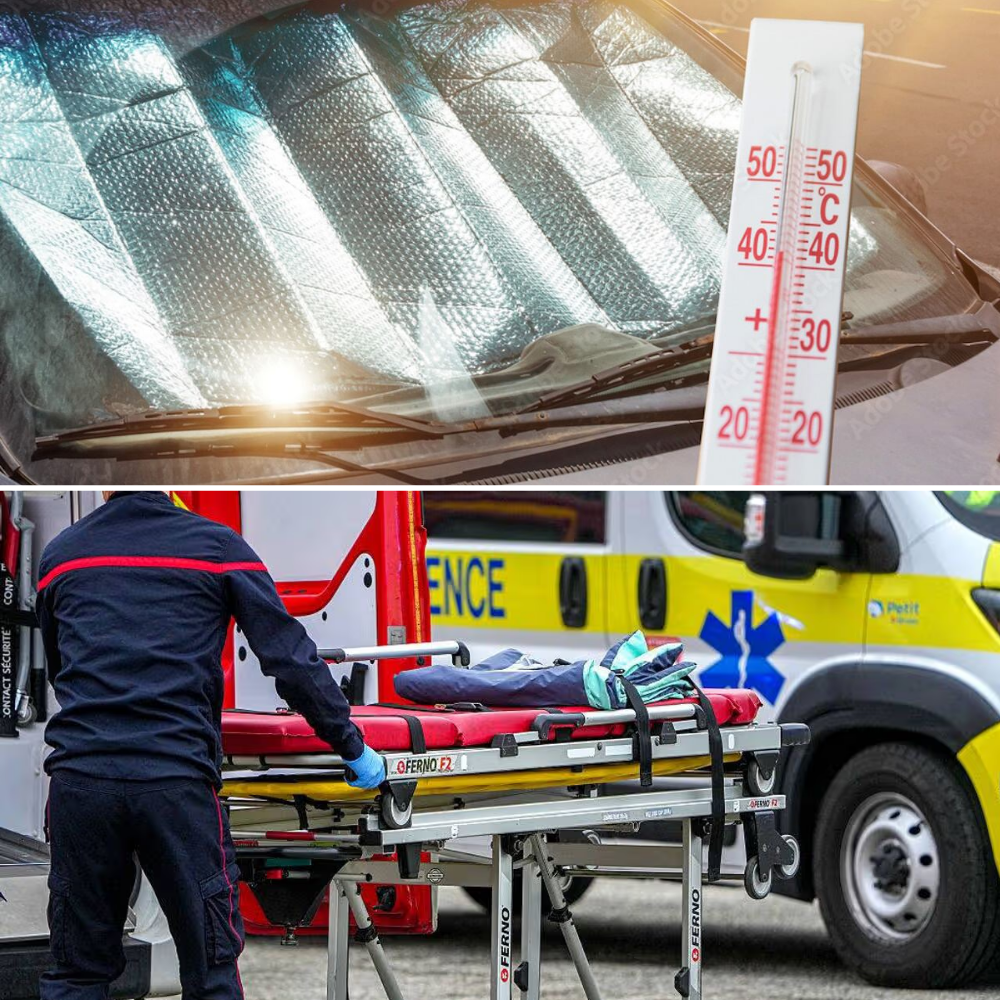
In the sweltering grip of Europe’s relentless heatwave, a family’s ordinary afternoon shattered into unimaginable grief when a curious three-year-old boy slipped away, only to be found lifeless in the family vehicle parked right outside their home. What began as a simple instruction to rest escalated into a nightmare no parent should ever face, highlighting the silent dangers lurking in everyday moments during extreme weather.
The incident unfolded in Saint-Gratien, a suburb north of Paris, on a day when temperatures soared toward record highs amid a punishing heat dome affecting much of the continent. According to initial findings from the public prosecutor, the young boy had been told by his father to take a nap. His mother was resting with the couple’s 18-month-old sibling, while the dad worked in the garden shed. For at least 45 minutes, the toddler evaded supervision—perhaps drawn by the familiar comfort of the family car—and climbed inside. The child locks engaged, trapping him as the interior transformed into a lethal oven under the blazing sun.
Tragically, when his parents eventually checked his room and couldn’t find him, they discovered the unthinkable. The mother’s piercing screams echoed through the neighborhood for nearly ten minutes, a raw, guttural cry of horror that one neighbor initially mistook for an assault. “The mother screamed. It lasted about ten minutes. It was horrible,” a resident recounted. Another added that at first, they thought a woman was being attacked. These desperate wails alerted a passing bus driver, who heroically jumped the gate to perform first aid until emergency services arrived. Firefighters rushed to the scene around 7 PM, but despite frantic resuscitation efforts, the boy was pronounced dead.
This devastating loss is the latest in a string of child fatalities linked to the heatwave. Just days earlier in Carpentras, southeastern France, a two-year-old and four-year-old were found unresponsive in their family car after apparently entering it without their mother’s knowledge. Temperatures there exceeded 39-40°C, turning vehicles into death traps within minutes. Across France, at least 48 drownings and other heat-related incidents have claimed lives, with broader Europe facing hundreds of excess deaths. In Spain alone, over 200 fatalities were tied to the extreme conditions.
The Physics of a Hot Car Tragedy Inside a parked car, temperatures can skyrocket rapidly—rising by 20°C or more within 10-15 minutes on a hot day. With France hitting over 44°C in some areas, the interior of that vehicle in Saint-Gratien likely became an inferno exceeding 50-60°C. Young children are especially vulnerable; their bodies heat up three to five times faster than adults due to smaller size, higher metabolic rates, and less efficient cooling. Dehydration, hyperthermia, and organ failure set in swiftly, often without obvious external signs until it’s too late. The boy, believing he was simply finding a quiet spot, had no way to escape or signal for help effectively.
As someone reflecting on these patterns, it’s clear this isn’t mere misfortune but a stark reminder of how quickly complacency meets catastrophe. Parents juggling multiple tasks—naps, work, siblings—operate on autopilot, assuming safety in familiar routines. Yet heatwaves amplify risks exponentially. In our fast-paced lives, we underestimate how a child’s innocent exploration, like climbing into a car “for a nap,” can turn fatal in under an hour. This tragedy demands we rethink supervision not as constant hovering, but as proactive safeguards: always checking surroundings, securing vehicles, and educating on “never leave kids alone near cars” during heat.
This case echoes similar horrors globally, from the U.S. to Australia, where forgotten or self-entering children perish in vehicles. Insights from safety experts emphasize “look before you lock” campaigns, but we must go further—integrating technology like car alarms for rear-seat occupancy or community watch systems. Emotionally, the surviving family’s pain is profound: the mother’s shock leading to hospitalization, the father’s likely guilt, and a neighborhood forever changed. The mayor of Saint-Gratien captured it poignantly: a three-year-old’s death is “terrible,” leaving everyone deeply moved.
Beyond the immediate horror, this underscores climate realities. Heat domes, driven by patterns trapping Saharan air, are becoming more frequent and intense. As temperatures break records—France’s hottest 24-hour period recently—we face not just isolated accidents but systemic vulnerabilities in parenting, urban planning, and emergency response. Adding personal reflection: while no blame can fully ease the grief, these stories push us toward empathy and prevention. Every parent knows the exhaustion of daily routines; this serves as a call to pause, double-check, and advocate for better awareness.
The ripple effects extend to first responders and neighbors thrust into trauma. The bus driver’s quick action was a glimmer of humanity amid despair, yet the collective trauma lingers. In an era of rising extremes, protecting the most vulnerable requires collective vigilance—neighbors looking out, families installing reminders, and societies investing in heat-resilient infrastructure.
Ultimately, this boy’s brief life, cut short in such a preventable yet stealthy way, forces uncomfortable questions: How many more must suffer before we internalize that a parked car is never “just a car” in extreme heat? His story, though heartbreaking, carries a vital message—slow down, secure everything, and cherish every supervised moment. In the shadow of loss, may it spark meaningful change to shield other children from similar fates.