Chilling Family Massacre: Handwritten Note Reveals Suspect in Poisoning Deaths of Four Kids, Mom & Grandma.
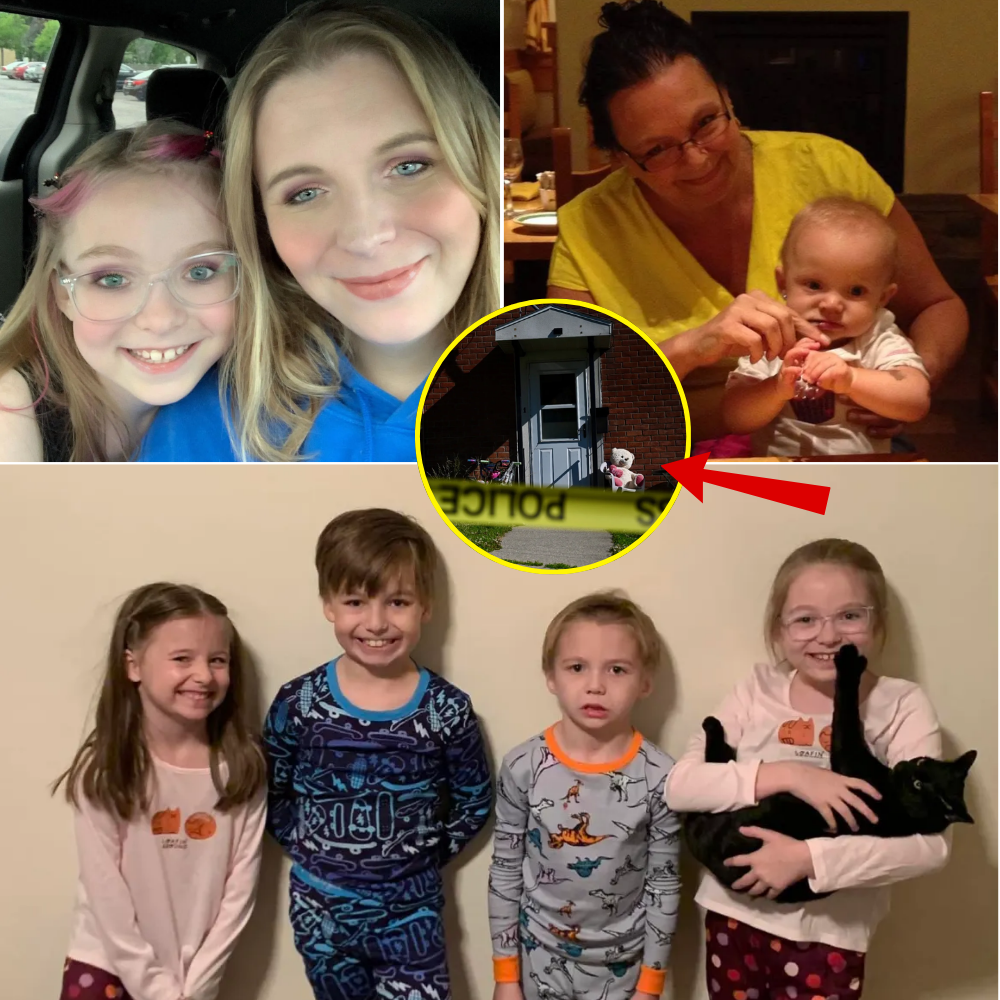
A quiet apartment building in Mechanicville, New York, became the scene of unspeakable horror when a concerned neighbor’s welfare check uncovered six bodies—four innocent children, their mother, and grandmother—slain in what authorities now suspect was a deliberate mass poisoning. The discovery, made after nearly two weeks of silence from the family, has left a community reeling and raised haunting questions about hidden family turmoil that exploded into tragedy.
On Tuesday evening, police in Mechanicville responded to Harris Avenue following reports from a neighbor who hadn’t seen the family for days, possibly up to two weeks. Inside the apartment belonging to 64-year-old Amy Steadman, officers made the devastating find: Steadman herself, her 44-year-old daughter Sarah Myers, and Myers’ four children—13-year-old Harper Harmon, 11-year-old Hudson Harmon, and 10-year-old twins Gavin and Gracelynn Harmon—all deceased. What initially appeared as a possible murder-suicide or tragic accident quickly shifted as investigators uncovered critical evidence pointing to intentional acts.
Autopsy results are pending, but police have indicated that the deaths appear linked to intentional poisoning, likely involving a combination of prescription and over-the-counter medications. One of the children also suffered sharp-force injuries, adding another layer of brutality to the scene. Most chillingly, a handwritten note discovered at the location “strongly suggests” that grandmother Amy Steadman was involved in the deaths. While authorities have not released the note’s full contents or confirmed authorship definitively, Chief William Rabbitt emphasized that circumstantial evidence supports her central role. No other suspects are currently implicated, and there is no ongoing threat to the public.
The Human Toll and Hidden Struggles This family’s story is one of profound loss layered with complexity. Sarah Myers and her children lived in a nearby unit, but all were found together in Steadman’s apartment. Sarah’s estranged husband, Brady Harmon, who lives in Utah and had not seen the children since 2019, expressed shock and devastation. He had recently reached a custody agreement for a summer reunion starting July 1, only to learn of the unimaginable. Harmon claimed past issues with visitation and mentioned Child Protective Services involvement, painting a picture of a fractured family dynamic that may have simmered for years.
As someone piecing together these details, it’s impossible not to feel the weight of what might have been brewing behind closed doors. Extended family living arrangements can provide support but also amplify tensions—financial stress, mental health challenges, or unresolved conflicts. Poisoning as a method suggests a calculated, intimate betrayal, often tied to deep despair or resentment. The note adds a layer of premeditation or confession that leaves investigators—and us—grappling with why a grandmother might turn on her own bloodline. Was it a desperate bid for control, untreated illness, or something darker? These questions underscore the urgent need for better mental health resources and family intervention programs before crises reach this point.
The children’s ages—ranging from 10 to 13—make the tragedy especially gut-wrenching. They were on the cusp of adolescence, full of potential that was cruelly snuffed out. Neighbors described a family that kept to themselves, making the prolonged silence less immediately alarming but no less tragic. In today’s world, where social isolation can mask severe issues, this case serves as a painful reminder to check on loved ones and neighbors more actively.
Broader Implications for Society Mass family tragedies like this often expose cracks in the system: custody battles, potential CPS oversights, and the silent struggles of grandparents thrust into caregiving roles. Amy Steadman’s suspected involvement challenges the stereotype of the nurturing elder, forcing us to confront that pain and pressure can affect anyone. From a personal viewpoint, these events highlight how unresolved trauma or desperation can lead to unthinkable acts. Prevention requires destigmatizing mental health support, strengthening community watch programs, and ensuring accessible resources for at-risk families.
The investigation continues with toxicology and full autopsies, but the preliminary findings have already shocked the small Saratoga County community. Mechanicville, known for its tight-knit vibe, now mourns collectively. As details emerge, this story compels reflection on family bonds—their strength and fragility—and the importance of open communication to avert such horrors.
In the end, four bright young lives, a devoted mother, and a grandmother have been lost in circumstances that defy easy explanation. Their memory demands we push for better safeguards, more empathy, and vigilance in our own circles. May this nightmare spur meaningful conversations about hidden suffering before another family is torn apart.