The 18-Second Live Video That Captured One San Diego Mosque Shooter Urging His Partner to End It All.
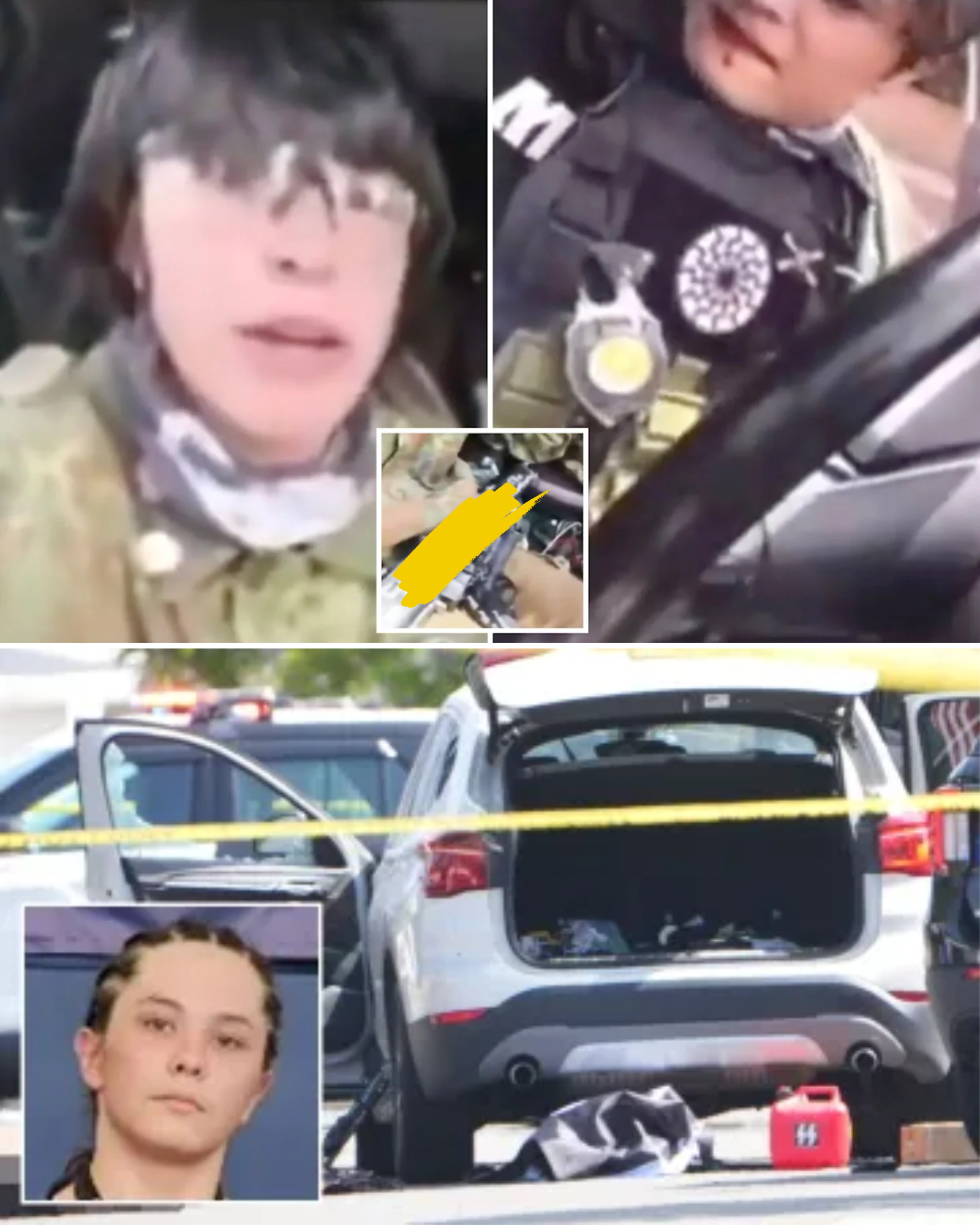
In the immediate aftermath of one of the most shocking attacks on a U.S. mosque in recent years, an 18-second live video emerged that has left investigators, communities, and the public grappling with raw despair, radicalization, and the final moments of two teenage perpetrators. Caleb Vazquez, 18, one of the two shooters in the May 18, 2026, attack at the Islamic Center of San Diego, reportedly went live on a social platform shortly after fleeing the scene, directly urging his accomplice, 17-year-old Cain Clark, to shoot him.
The attack unfolded around 11:30 a.m. on a Monday at the Islamic Center of San Diego, the city’s largest mosque, which also housed a school with children present. Vazquez and Clark, armed with weapons allegedly stolen from a parent’s home, opened fire outside the center, killing three men: a heroic security guard who helped protect children inside, a community elder, and another worshiper. Their actions are believed to have prevented a far higher death toll among the dozens of children and adults inside.
After the shooting, the pair fled a short distance in a vehicle. Police later found them dead from apparent self-inflicted gunshot wounds. But before that final act, Vazquez’s brief live stream captured a moment of chilling vulnerability amid the horror. In the 18-second clip, described by sources who viewed it, Vazquez appears agitated and emotional, looking into the camera and telling Clark to shoot him. The video ended abruptly, adding to the macabre puzzle investigators are still piecing together.
The perpetrators were identified as Cain Clark, 17, and Caleb Liam Vazquez, 18, both from the San Diego area. They had reportedly met online, bonding over shared extremist ideologies that included anti-Islamic writings and broader hatred toward multiple groups. Authorities recovered anti-Islamic materials, a possible suicide note, and a large cache of weapons — over 30 firearms and even a crossbow — from locations linked to them. One suspect’s mother had contacted police hours earlier, reporting her son missing, suicidal, and that guns and a vehicle were stolen.
The Islamic Center attack is being investigated as a hate crime. The security guard, hailed as a hero, warned teachers and children to lock themselves in classrooms, actions credited with saving lives. No children were harmed, though many were traumatized by the gunfire. The three adult victims were mourned in vigils across the community, with leaders calling for unity against rising hate.
Vazquez’s live video adds a disturbing personal layer to the tragedy. Brief as it was, it has sparked intense analysis. Some experts see it as a sign of regret or panic in the final moments; others view it as part of a planned dramatic end, consistent with the suicide note and prior warnings. The clip, which circulated briefly before removal, has fueled debates about radicalization pipelines on social media, the speed of content moderation, and the psychological state of the shooters.
Prior warnings existed. In 2025, police in Chula Vista had spoken with Vazquez after concerns about his interest in extremist ideology and mass-casualty attacks. Clark’s social media reportedly showed fascination with violence, camouflage imagery, and symbols associated with hate groups. The pair’s online meeting and rapid radicalization highlight vulnerabilities in how young people encounter toxic content.
The San Diego community responded with grief and resilience. Muslim leaders, interfaith groups, and officials condemned the attack while praising the victims’ bravery. CAIR and other organizations called for stronger measures against online hate and political rhetoric that fuels violence. President and local politicians expressed condolences, with heightened security at places of worship nationwide.
For the families of the victims, the pain is compounded by the knowledge that the perpetrators were so young. The security guard’s actions saved countless lives, turning a potential massacre into a contained tragedy. Yet the loss of three innocent men in a place of worship underscores the fragility of safety even in sacred spaces.
Investigators continue to analyze digital footprints, the full content of the manifesto-like writings, and the exact sequence of events. The 18-second video, while brief, has become a key piece — humanizing the shooters in their final despair while raising questions about intervention, mental health, and prevention. Could earlier red flags have stopped this? How do we protect communities without stigmatizing troubled youth?
This incident joins a troubling pattern of attacks on religious sites, reminding society of the need for vigilance, better online safeguards, and community support. As vigils continue and funerals proceed, the focus remains on healing. The mosque, a hub for worship and education, has reaffirmed its commitment to openness while mourning its fallen protectors.
The 18 seconds Vazquez broadcast captured more than a desperate plea — they froze a moment of human breakdown after an act of hate. In urging his partner to shoot him, Vazquez may have revealed the emptiness behind the ideology that drove them. For San Diego and the nation, the tragedy serves as a call to confront radicalization before it claims more lives, ensuring that places of peace remain sanctuaries, not targets.