She Admitted Killing Her Children. So Why Couldn’t the Jury Agree She Was Guilty?
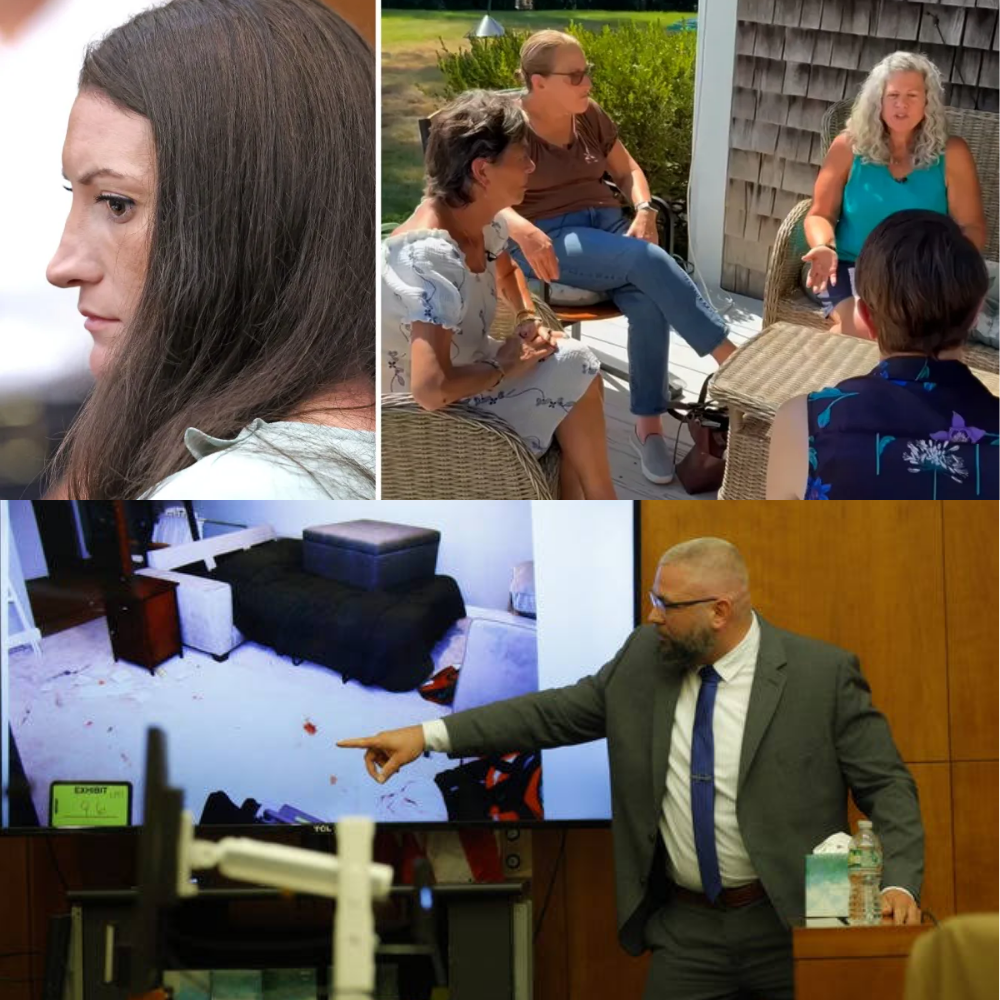
The courtroom drama that gripped the nation has reached a staggering, chaotic climax. When a Massachusetts judge officially declared a mistrial in the high-profile case of Lindsay Clancy—the former labor and delivery nurse accused of strangling her three young children—it did not bring closure. Instead, it ripped open a massive, bleeding cultural wound. The legal proceedings, broadcasted and scrutinized across the globe, collapsed after a 12-person jury remained deadlocked following seven grueling days of deliberations and over 38 hours inside a tense, fractured jury room.
As jurors began stepping forward to speak publicly about the explosive chaos behind closed doors, the public came face-to-face with an unsettling reality: the trial was never just about what happened on that tragic day. It became a fierce ideological war zone where medical science, the limits of the law, and raw human empathy violently collided.
The Core Conflict: Sickness vs. Sin
To understand why twelve people could not reach a unanimous verdict, one must look back at the starkly opposing universes presented by the defense and the prosecution.
The defense team, led by attorney Kevin Reddington, anchored its entire case on a terrifying medical phenomenon: severe postpartum psychosis. Calling renowned forensic psychiatrists like Dr. Phillip Resnick to the stand, the defense argued that Clancy was suffering from a profound break from reality driven by a cocktail of psychiatric medications, un-diagnosed bipolar disorder, and the crushing weight of postpartum depression following the birth of her youngest child. Witnesses painted a picture of a mother experiencing auditory hallucinations commanding her to harm her children, operating entirely outside her own free will. Following the killings, Clancy severely injured herself in a desperate suicide attempt by jumping from a second-story window, leaving her permanently paralyzed from the waist down. To her defenders and sympathizers, she was a loving mother hijacked by a catastrophic medical failure—a victim herself of a system that missed the glaring red flags of maternal mental illness.
Conversely, the prosecution drew a chillingly different line. Plymouth County District Attorney Timothy Cruz and his team argued that Clancy’s actions were marked by chilling calculation and deliberate intent. Prosecutors emphasized that she systematically drew her husband out of the house to clear the path, executing the acts with cold efficiency and full awareness of their wrongfulness. In the state’s view, struggling with postpartum depression or anxiety does not grant a free pass to murder. They argued that she understood what she was doing, and that excusing her behavior under the umbrella of mental illness cheapens the lives of the three innocent children whose voices were forever silenced.
Inside the Jury Room: The 11–1 Fracture
The true drama, however, unfolded away from the cameras. Notes sent out by the jury foreperson during deliberations revealed a deeply fractured panel. According to court disclosures, the jury was split 11 to 1, with a single holdout juror causing an impassable gridlock.
The friction became so intense that the foreperson alerted the judge, stating that the lone juror acknowledged having doubts but was allegedly refusing to properly apply the court’s strict legal instructions regarding reasonable doubt. In a frantic eleventh-hour legal maneuver, the defense rushed an emergency appeal to the Massachusetts Supreme Judicial Court, trying desperately to force an inquiry or remove the holdout. When the high court declined to intervene, Judge William Sullivan officially declared a mistrial.
Outraged defense attorneys claimed that an overwhelming majority of the panel was ready to acquit, and that a single stubborn vote robbed Clancy of vindication. Legal scholars, meanwhile, pointed out a vital nuance: the jury wasn’t merely voting on whether Clancy killed her children—a fact nobody disputed. They were wrestling with the rigid, unforgiving legal definition of “criminal responsibility”.
The Debate That Won’t Die
The mistrial leaves the legal status of the case right back where it started. Clancy remains held in a secure psychiatric facility under active murder charges, while prosecutors weigh whether to subject the public, the families, and the judicial system to a grueling second trial. Meanwhile, a pending civil lawsuit looms, targeting medical providers for alleged malpractice in failing to monitor her psychiatric state.
Ultimately, the Lindsay Clancy case has transcended a standard courtroom battle. It has forced society into an uncomfortable, agonizing interrogation. When the mind shatters under the biological trauma of childbirth, where does accountability lie? Is a broken brain a criminal enterprise, or is it a medical tragedy that the law is simply unequipped to handle? Until a jury can unanimously answer that question, the ghost of that fateful day will continue to haunt the American justice system.