Volunteer Searcher Exposes Raw Truth of Nolan Wells’ Frantic Hunt on Horn Island: “We Hoped Until the End”.
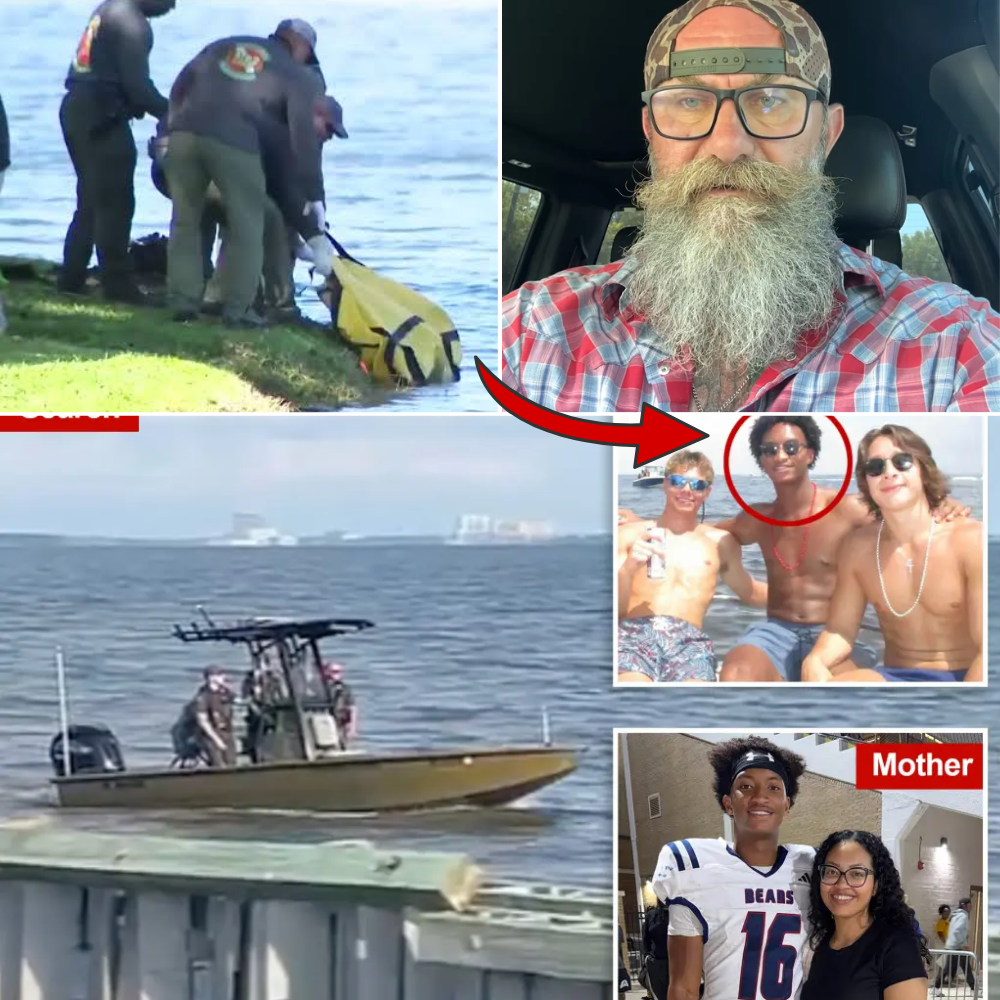
The search for 18-year-old Nolan Xavier Wells was never just another operation — it was a race against time fueled by a mother’s desperate pleas and a community’s unwavering hope. As details emerge from those on the front lines, the human cost of this tragedy becomes painfully clear. A volunteer with the United Cajun Navy has shared harrowing insights into the multi-agency effort that spanned air, sea, and land, offering a glimpse into the final hours of a promising young life that ended far too soon.
Nolan, a standout wide receiver at Southwest Mississippi Community College and former multi-sport athlete from Ocean Springs High School, vanished on July 4 after a Fourth of July boat trip to the remote Horn Island. Last seen around 3 p.m. on the northwest tip — reportedly chatting with others before deciding to stay behind as his friends departed due to boat troubles — his absence triggered an urgent response. What followed was a coordinated push involving law enforcement, the Coast Guard, National Park Service, and volunteers who refused to give up.
Josh Gill, incident commander for the United Cajun Navy, described how the family reached out directly. Within minutes, the organization mobilized: surface vessels (boats) in the area, two drones scanning from above, and teams conducting manual ground searches on the island. Gill recalled Christine Wonsley’s frantic calls, her need for every update and resource possible. “She was frantic,” he noted, highlighting a mother’s raw determination to bring her son home. The volunteer group, known for stepping in during disasters and missing persons cases, treated this like their own mission.
The challenges were immense. Horn Island, part of the Gulf Islands National Seashore, is an undeveloped barrier island — no facilities, limited communication, and unpredictable waters, especially at the northwest corner with its increased tidal activity. Searchers faced the vastness of the Gulf, thick vegetation, and the emotional toll of uncertainty. Drones and aircraft provided aerial grids, while ground teams walked the terrain where Nolan was last seen. One volunteer was even airborne when the devastating call came in: a National Park Service ranger had spotted a body around 8:45 a.m. on July 6, in close proximity to Nolan’s last known location.
This proximity adds a layer of haunting irony and unanswered questions. Why was he found so near where friends last saw him? Could swift intervention have changed the outcome? While officials lean toward drowning, with no evidence of crime publicly confirmed yet, the volunteer accounts underscore how quickly a fun outing can turn fatal in such an isolated environment. Nolan was described as a strong swimmer and athlete preparing for bigger opportunities, making the circumstances all the more perplexing and tragic.
The emotional weight extended beyond logistics. Gill and his team not only searched but stayed connected with the family, offering support even after the recovery. Wonsley’s public statements captured the family’s devastation: waiting for Nolan to walk through the door with his smile and jokes, their hearts broken yet grateful for the outpouring of help. The United Cajun Navy later expressed pride in standing alongside agencies, providing aerial ops, boats, and boots on the ground. Their statement after the search ended was one of condolence and respect: “Rest easy, Nolan. You will not be forgotten.”
Reflecting on this volunteer’s revelations brings deeper insight into the broader story. Organizations like the Cajun Navy — born from Hurricane Katrina’s lessons — embody community resilience, filling gaps when official resources stretch thin. Their rapid response here highlights both the power of collective action and the limits of what searchers can achieve against nature’s unpredictability. For families facing similar nightmares, these efforts provide comfort, even in heartbreak.
Nolan’s character shines through the tributes. Coaches praised his humility, leadership, and work ethic — qualities that made him more than just an athlete. Teammates and friends remembered a kind soul who uplifted others. In a time of speculation and online theories, focusing on his life reminds us of what was truly lost: a young man with dreams, loved deeply by many. His family’s decision to hire Ben Crump for independent review speaks to their need for full transparency amid lingering questions about deleted messages and accounts from that day.
This case also prompts important conversations about safety on remote islands and group outings. Boaters and adventurers should prioritize staying together, carrying charged phones with tracking, and respecting water conditions. Volunteers’ experiences show how small decisions — like staying behind — can cascade in unforgiving settings. Yet, amid the pain, the unity displayed offers hope: communities rally, strangers become heroes, and stories like Nolan’s push for better awareness.
As the official investigation continues with autopsy results pending, the volunteer’s details humanize the operation. They searched with heavy hearts, knowing every moment counted. For Nolan’s loved ones, the search may be over, but the quest for answers endures. His legacy — as a talented, respectful young man — deserves to inspire kindness, caution, and compassion. In the end, these rescuers’ efforts, though ending in sorrow, exemplify the best of humanity: showing up when it matters most. Nolan’s light, though dimmed, continues through those he touched and the lessons from his story.