Chilling Pre-Shooting Behavior of Charlie Kirk Assassin Revealed in Roommate’s Bombshell Testimony.
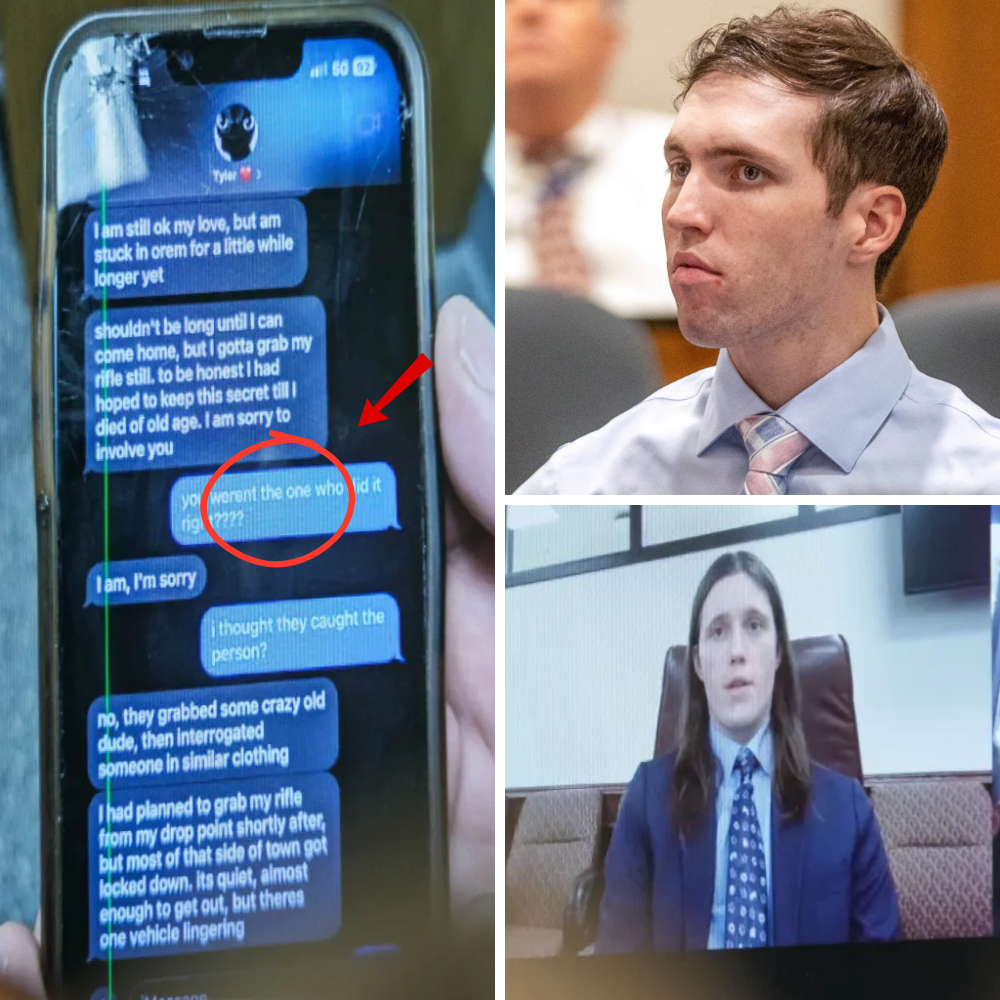
New courtroom testimony and text messages from the roommate of Tyler James Robinson have shed disturbing light on the alleged assassin’s actions and mindset in the days leading up to the fatal shooting of conservative activist Charlie Kirk. Robinson, 22, stands accused of the high-profile killing at Utah Valley University, with prosecutors seeking the death penalty. The roommate’s account, including direct text exchanges, paints a picture of calculated planning masked by everyday life.
According to prosecutors, on the day of the shooting, Robinson texted his roommate (described as his romantic partner) with an urgent instruction: “Drop what you’re doing, look under my keyboard.” There, the roommate discovered a handwritten note stating, “I had the opportunity to take out Charlie Kirk and I’m going to take it.” When confronted, Robinson allegedly confessed in a series of chilling messages that exposed his premeditation and motive.
The texts detail Robinson’s concerns about retrieving a rifle left at a “drop point,” his relief that police initially detained someone else, and a cold justification: “I had enough of his hatred. Some hate can’t be negotiated out.” He admitted planning the attack for “a bit over a week,” engraving bullets as part of what he called a “meme,” and worrying about leaving evidence like fingerprints. He instructed the roommate to delete the exchange, avoid media, and lawyer up if questioned – behaviors that prosecutors say reveal a calculated, detached mindset.
From my perspective, this testimony highlights the terrifying reality of how ideological extremism can fester in private spaces. Robinson allegedly lived a seemingly normal life with his roommate while harboring deep resentment toward Kirk’s public views, escalating into violence. The roommate’s cooperation with authorities, including sharing these messages, underscores the importance of community vigilance and the shock waves such acts send through personal relationships. It raises broader questions about political rhetoric, mental health, and how “hate” narratives can radicalize individuals, turning online grievances into real-world tragedy.
The case has drawn intense scrutiny, with details emerging about Robinson’s efforts to evade capture, including changing clothes and abandoning the weapon. Prosecutors described the texts as a “confession,” providing key evidence alongside ballistic matches and other forensics. Robinson’s alleged actions – from scouting the event to the post-shooting communications – demonstrate a level of forethought that prosecutors argue warrants the harshest penalty.
This bombshell testimony not only strengthens the case against Robinson but also serves as a grim reminder of the human cost of political violence. Kirk, a prominent voice in conservative circles through Turning Point USA, was known for campus debates and activism. His death has sparked widespread outrage and calls for better security at public events. For the roommate, the revelations must have been devastating – transforming a personal relationship into unwitting involvement in a national tragedy.
As the legal proceedings continue, these details offer insight into the “chilling behavior” that preceded the shooting. They reveal a young man who allegedly planned meticulously while maintaining a facade, only confessing when cornered by his own note. Such cases force society to confront uncomfortable truths about division, radicalization, and the thin line between words and violence. Robinson’s roommate’s testimony brings these elements into sharp, disturbing focus, ensuring the full story behind this assassination attempt is no longer hidden.