Shamar Elkins’ Wife Breaks Silence: “Blames Me” as Gun Supplier Arrested in Louisiana Child Massacre.
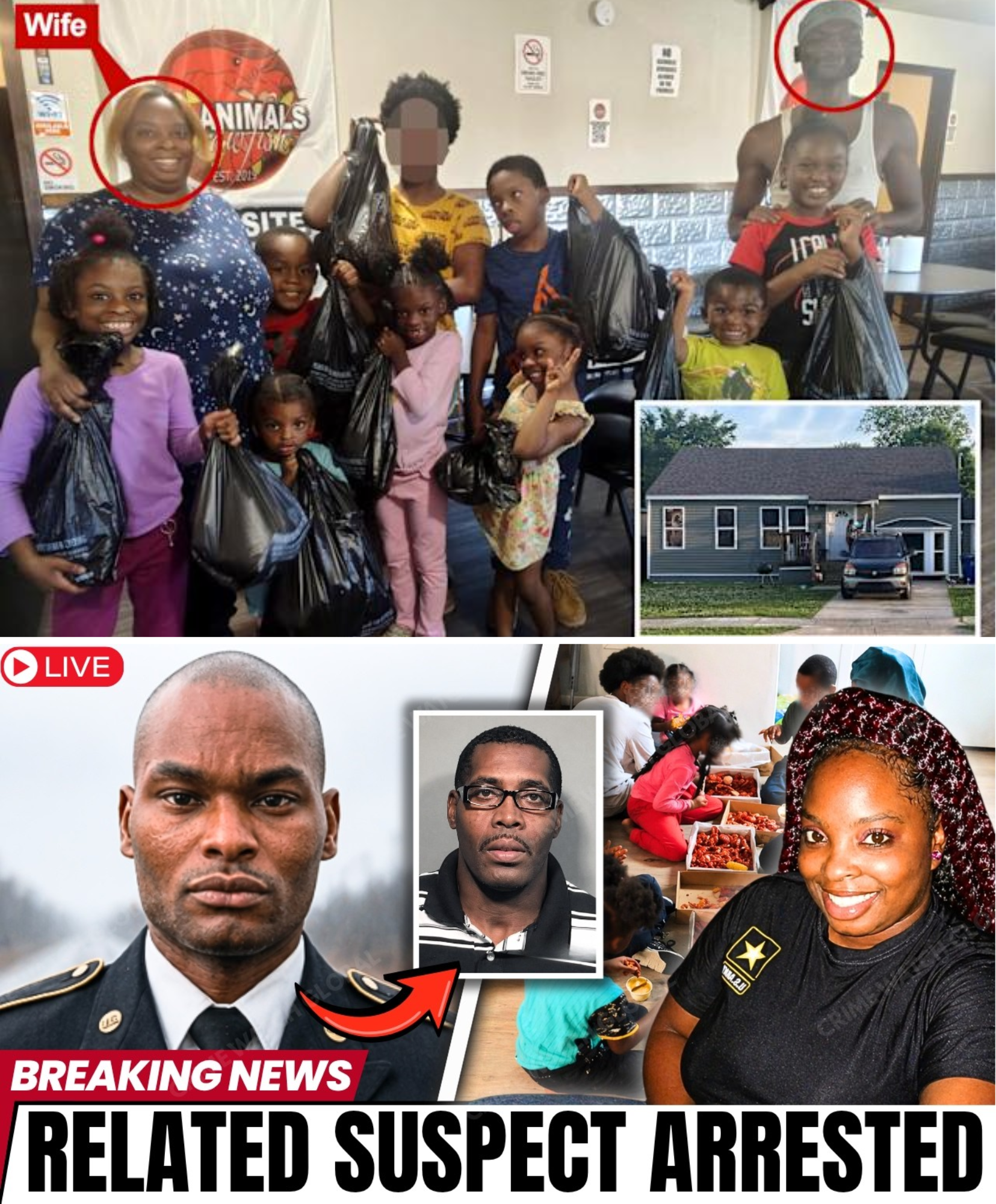
In the quiet Cedar Grove neighborhood of Shreveport, Louisiana, a domestic dispute erupted into one of the deadliest mass shootings in recent U.S. history. On April 19, 2026, 31-year-old Shamar Elkins, a former Louisiana National Guard member, unleashed a horrific rampage that claimed the lives of eight children—seven of whom were his own—and left multiple adults injured. Elkins himself was killed by police during a subsequent chase, but the tragedy’s ripples continue to spread as new details emerge, including his wife’s emotional public statements and the arrest of a man accused of supplying the firearm used in the attack.
According to authorities, the nightmare began in the early morning hours when Elkins first confronted his wife, Shaneiqua Pugh (also referred to as Sheniqua or Chenika in reports), at one residence on Harrison Street. He shot her, seriously injuring her in what police described as a domestic violence incident. From there, Elkins moved to a second home on West 79th Street, where he opened fire, killing seven of his children and their 5-year-old cousin. The victims were identified as Jayla Elkins (3), Shayla Elkins (5), Kayla Pugh (6), Layla Pugh (7), Markaydon Pugh (10), Sariahh Snow (11), Khedarrion Snow (6), and Braylon Snow (5). One teenage boy reportedly escaped by jumping from the roof and survived with injuries.
Two adult women, including Elkins’ wife, were hospitalized with serious but survivable gunshot wounds. Elkins then carjacked a vehicle at gunpoint near Linwood Avenue and West 79th Street. A police pursuit followed into Bossier Parish, ending with officers firing shots that killed Elkins. Investigators believe he was the sole shooter at the scenes.
Elkins had a documented history that raised red flags. He served in the Louisiana National Guard from 2013 to 2020 as a signal support system specialist and fire support specialist but was never deployed. In 2019, he pleaded guilty to a weapons charge. Weeks and even years before the shooting, disturbing signs appeared. His adoptive mother recounted to the New York Post that three years earlier, after his wife mentioned divorce, Elkins warned: “I’ll kill you, my kids and myself.” He had also posted on social media about mental health struggles shortly before the incident. Divorce proceedings were reportedly scheduled for the day after the shooting.
In recent updates, Elkins’ wife has broken her silence. In interviews and statements referenced across multiple reports, she expressed profound guilt, reportedly saying phrases interpreted as “blames me,” suggesting she feels responsible for not recognizing the warning signs or for the marital tensions that preceded the horror. She has also spoken about disturbing surveillance footage she wishes kept from the public, describing it as too traumatic to release. Her composure in speaking out has drawn national attention amid the grief.
A major development came with the arrest of 56-year-old Charles Ford of Shreveport. On April 21, 2026, federal authorities charged him with being a felon in possession of a firearm and making false statements to agents. Prosecutors allege Ford provided the assault-style pistol used by Elkins in the massacre. Ford claimed Elkins took the gun from him, but the charges highlight how the weapon reached the shooter despite Elkins’ prior record. Ford faces up to 15 years on the gun charge and additional time for the false statements.
The case has sparked widespread reactions. Former President Donald Trump and House Speaker Mike Johnson reportedly expressed support and condolences. Local officials, including Shreveport police and Louisiana Governor Jeff Landry, condemned the violence and emphasized ongoing investigations into domestic violence prevention and gun access for those with records.
Community members and relatives have shared stories of Elkins as a father battling inner demons. One relative noted the family’s attempts to intervene, but the chilling premonition from years prior proved tragically accurate. The surviving wife and injured parties continue to recover, while the nation grapples with questions about mental health support for veterans, domestic abuse red flags, and firearm regulations.
This tragedy underscores the devastating impact of unchecked domestic threats. As investigations proceed, authorities continue piecing together the timeline from 911 calls to the final pursuit. The father of one of the children has also spoken out, adding layers of pain and calls for justice.
In the wake of such loss, communities often rally for change—stronger mental health resources, better domestic violence response systems, and stricter enforcement of existing gun laws for prohibited persons. For the families left behind, healing will be long and painful, forever marked by April 19, 2026.