Dreams Destroyed in Tampa: The Chilling Double Murder of USF PhD Students Zamil Limon and Nahida Bristy.
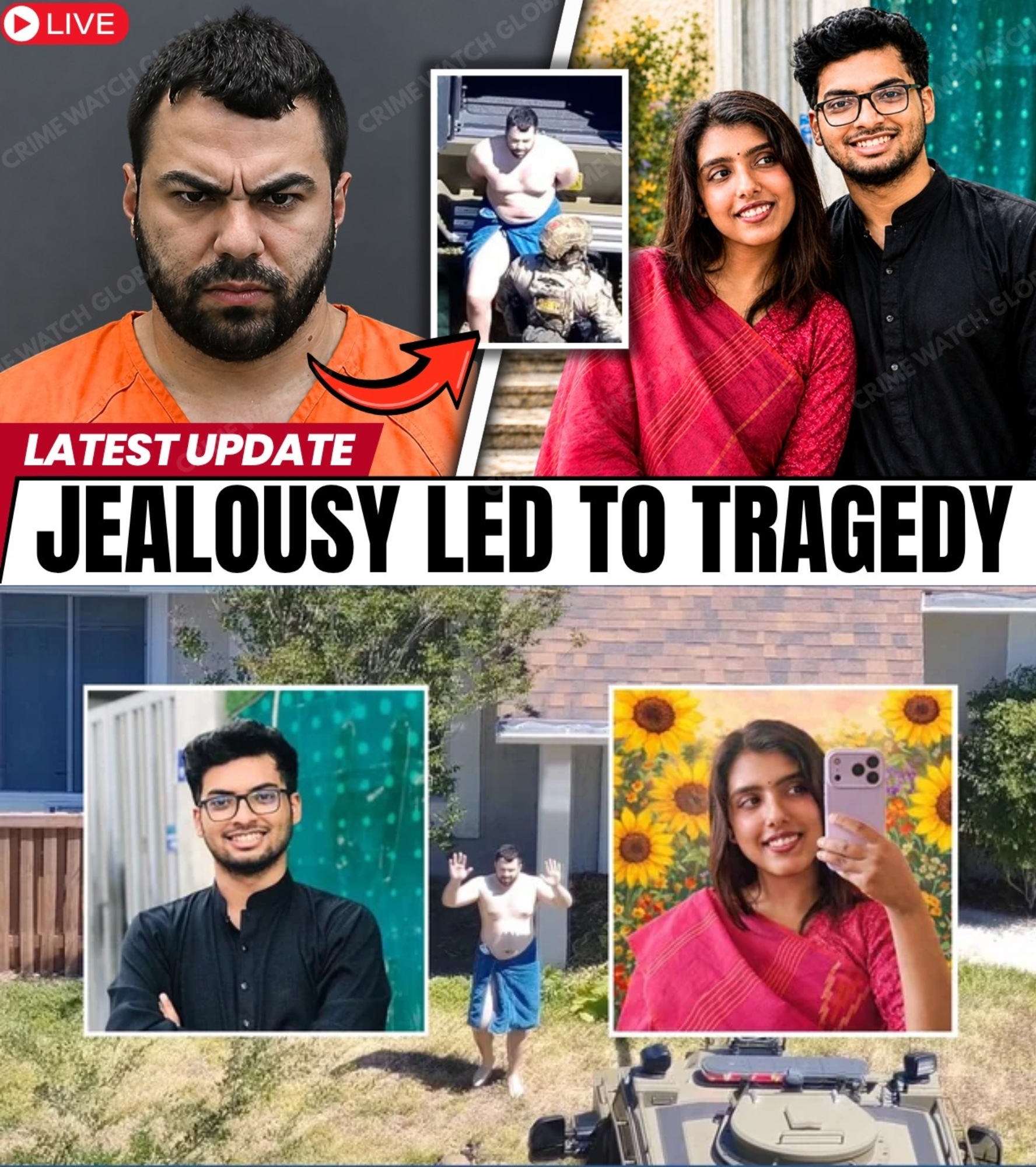
In the spring of 2026, two promising young scholars from Bangladesh vanished within hours of each other in Tampa, Florida, turning a quiet university community into the center of a horrifying true crime case. Zamil Limon, 27, and Nahida Bristy, also 27, both doctoral students at the University of South Florida (USF), had bright futures ahead. Instead, their story ended in violence, with their roommate Hisham Abugharbieh, 26, charged with two counts of first-degree premeditated murder with a weapon.
Zamil Limon pursued a PhD in geography and environmental science, focusing on tracking wetland changes in South Florida using data and technology. Described by family and friends as warm, approachable, always smiling, and down-to-earth, he planned to return to Bangladesh after graduation to teach at a university and build a life near his loved ones. Nahida Bristy, a PhD candidate in chemistry with a master’s from a top Bangladeshi university, was remembered as energetic, talented, kind, and confident. She loved singing and cooking, and easily made others feel welcome. The pair had grown from friends to something deeper; by early 2026, Zamil had told his family about Nahida, discussing marriage and summer plans to visit Bangladesh together.
On April 16, 2026, the day started normally. Around 9:00 a.m., Zamil left the apartment he shared with roommate Hisham Abugharbieh near the USF campus. About an hour later, Nahida was seen at the Natural and Environmental Sciences building on campus, carrying her belongings. Neither responded to calls or messages afterward. Their families, thousands of miles away in Bangladesh, grew increasingly worried as daily contact suddenly stopped. By April 17, a family acquaintance reported them missing. The case escalated quickly.
Investigators focused on the shared apartment. Evidence included blood trails and other disturbing signs. Hisham Abugharbieh, initially cooperative, later became a person of interest. On April 24, after a SWAT standoff at a residence, he was taken into custody peacefully. He now faces multiple charges: two counts of first-degree premeditated murder with a weapon, unlawfully moving a dead human body, failure to report a death, tampering with physical evidence, false imprisonment, and battery. He is being held without bond.
The details released by authorities are particularly gruesome. Zamil Limon’s decomposing remains were found on April 24 in a black trash bag on the Howard Frankland Bridge connecting Tampa and St. Petersburg. He died from multiple sharp force injuries (stab wounds). Divers searched nearby waters. Additional human remains were later recovered, believed to be Nahida Bristy’s, though formal identification was pending as of late April. Prosecutors stated there is essentially no probability she remains alive.
One of the most shocking elements involves digital evidence: Abugharbieh allegedly consulted ChatGPT with queries about disposing of bodies, such as placing a human in a black garbage bag and throwing it in a dumpster. This has drawn national attention as another case where AI was reportedly used in planning a crime, prompting broader discussions and even a criminal investigation by Florida’s Attorney General into OpenAI.
The timeline prosecutors outlined paints a calculated picture. Evidence suggests the killings occurred in the apartment, with bodies moved afterward. Investigators recovered Zamil’s body after targeted searches, while continuing efforts for Nahida. Dashcam footage from the bridge between 1 a.m. and 5 a.m. on April 17 is being sought from the public. Blood evidence and other forensic details inside the apartment reportedly changed the investigation’s direction dramatically.
For the victims’ families, the pain is unimaginable. Zamil’s brother and Nahida’s relatives described daily calls that suddenly ended. They spoke of two bright, hardworking young people full of dreams who came to the U.S. for better futures. The Bangladeshi community and USF students have been left shaken, with vigils and calls for justice. The case highlights vulnerabilities in off-campus student housing and the sudden loss of promising lives.
As the legal process moves forward, Abugharbieh appeared in court (sometimes remotely), with hearings focusing on detention and case progression. No motive has been publicly detailed beyond the charges, but the premeditation element suggests planning. The investigation remains active, with authorities urging anyone with information to contact the Hillsborough County Sheriff’s Office.
This tragedy has sparked wider conversations: about safety for international students, the dark side of roommate dynamics, and the responsible use of AI tools. Two young scholars who should have been defending dissertations are now the subjects of murder trials. Their families wait for full answers and closure, while a university community mourns what could have been. In the quiet moments after the headlines fade, the real cost remains – two futures erased in a single morning of unimaginable violence. The search for justice continues, fueled by evidence, digital trails, and the hope that no detail is overlooked.