Roommate’s Explosive Anger Issues Emerge as Key Focus: Brother of Murdered USF Student Zamil Limon Shares Disturbing New Theory in Double Killing.
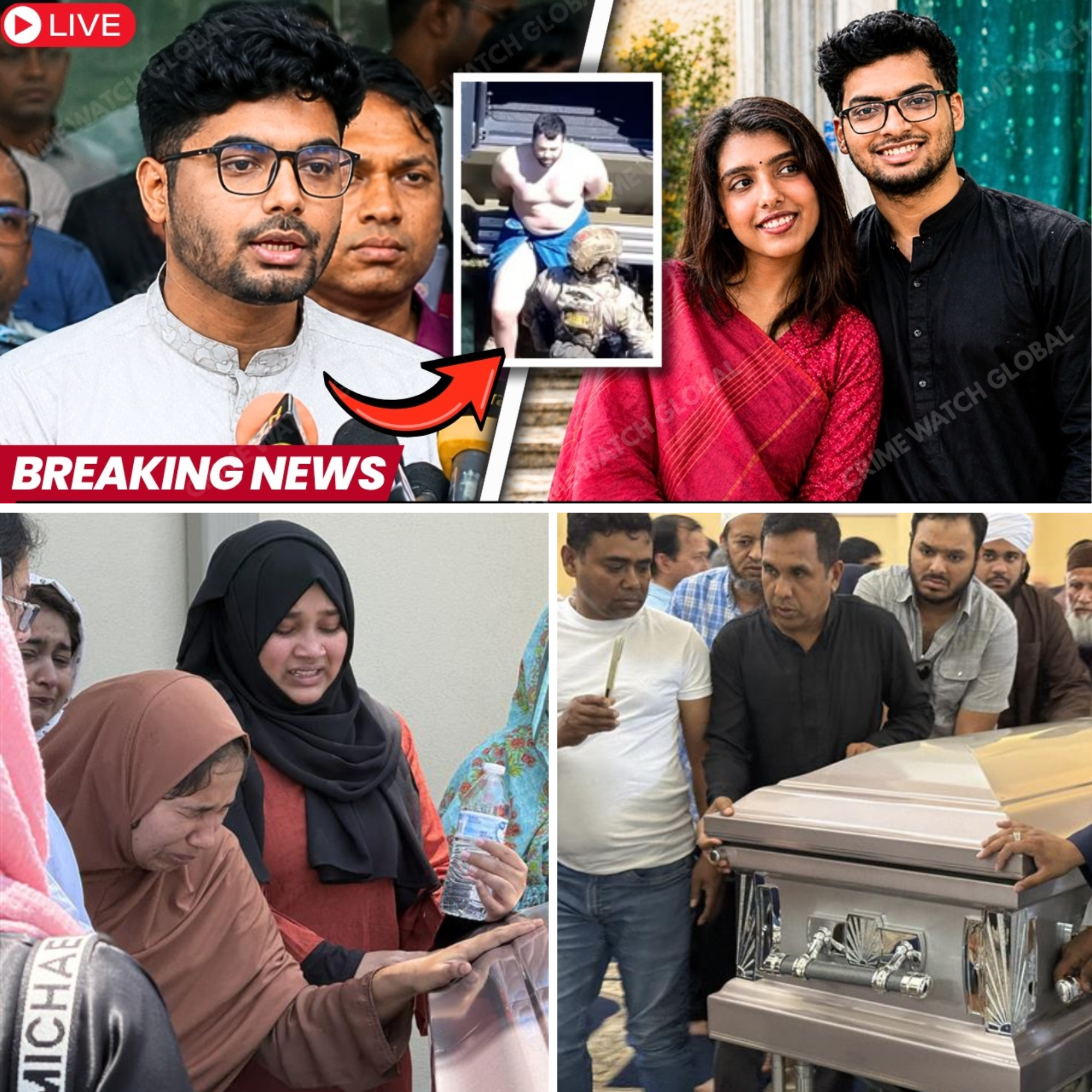
Two promising doctoral students from Bangladesh who came to the University of South Florida full of hope and ambition were brutally murdered in what has become one of the most shocking cases in recent Tampa Bay history. Zamil Limon, a dedicated PhD researcher in environmental science and geography, and his close friend Nahida Bristy were found dead in circumstances that have left their families and the academic community devastated. As investigators continue piecing together the timeline, Zamil’s younger brother Jabir has come forward with a chilling new theory centered on escalating tensions with one of Zamil’s roommates.
Zamil and Nahida had built bright futures in the United States. Zamil was deeply immersed in groundbreaking research using generative AI to study disappearing wetlands around the world, with a special focus on Florida. His work held real potential to contribute to global environmental solutions. Nahida, also pursuing advanced studies, was preparing to return home to Bangladesh in the summer after months away from her family. The pair had grown close, sharing similar backgrounds, dreams, and the challenges of life as international students. They had spoken about marriage, booked plane tickets together for July, and were making plans for a shared future.
Everything changed in a matter of hours. Both students suddenly went silent. Their phones stopped responding, and friends quickly realized this was completely out of character. Zamil was known for his discipline and constant communication with family. He rarely partied and dedicated almost all his time to research. When concern grew, friends reported them missing, leading police to the Avalon Heights student housing complex near the USF campus where Zamil lived.
What officers discovered was gruesome. Zamil had been stabbed multiple times, bound at the hands and ankles, with his legs nearly severed so his body could be folded and placed into a trash bag. His remains were dumped on the side of a highway like discarded waste. Nahida’s body was also found in the apartment. The brutality shocked even seasoned investigators.
Zamil’s brother Jabir, in an emotional interview, described how his sibling had repeatedly expressed discomfort about living with one particular roommate — Hisham Abu Garby (also referred to as Hisham Abugharbieh in some reports). According to Jabir, Hisham had severe anger issues that escalated over the smallest triggers. One incident involved Hisham exploding when a friend used his cleaning soap; he screamed at Zamil until a new bottle was purchased. Other tenants and previous roommates had reportedly filed complaints with management about Hisham’s temper, sudden outbursts, and the general feeling of insecurity in the shared apartment.
Jabir believes these ignored red flags may have played a central role in the tragedy. Zamil and another roommate had complained to Avalon Heights management multiple times, yet no strong action was taken. The family now questions whether better intervention could have prevented the horror. Hisham’s erratic behavior, introverted nature, and history of violent outbursts over trivial matters have become a major focus of the investigation.
The case has raised serious questions about student housing safety, mental health support for international students, and how universities and property managers handle repeated complaints about aggressive behavior. Friends described both victims as responsible, hardworking, and excited about their futures — making their sudden disappearance even more alarming.
As the Hillsborough County Sheriff’s Office continues its work, they are urging anyone with information to come forward. The families remain in profound grief, searching for justice while trying to honor the dreams Zamil and Nahida carried across oceans. Zamil’s research on wetlands and AI represented hope for environmental progress; Nahida’s warmth and ambition touched everyone around her. Their deaths have sent ripples through the Bangladeshi student community and beyond.
This double murder serves as a painful reminder of how quickly safety can evaporate in shared living situations, especially for vulnerable international students far from home. Zamil’s brother’s new theory highlights the importance of taking anger issues and repeated complaints seriously before tragedy strikes. As more details emerge, the public and academic world watch closely, hoping for answers that can bring some measure of closure to two families whose brightest lights were extinguished too soon.