95 Days of Silence: The Botched Investigation Into Savannah Guthrie’s Mother’s Abduction.
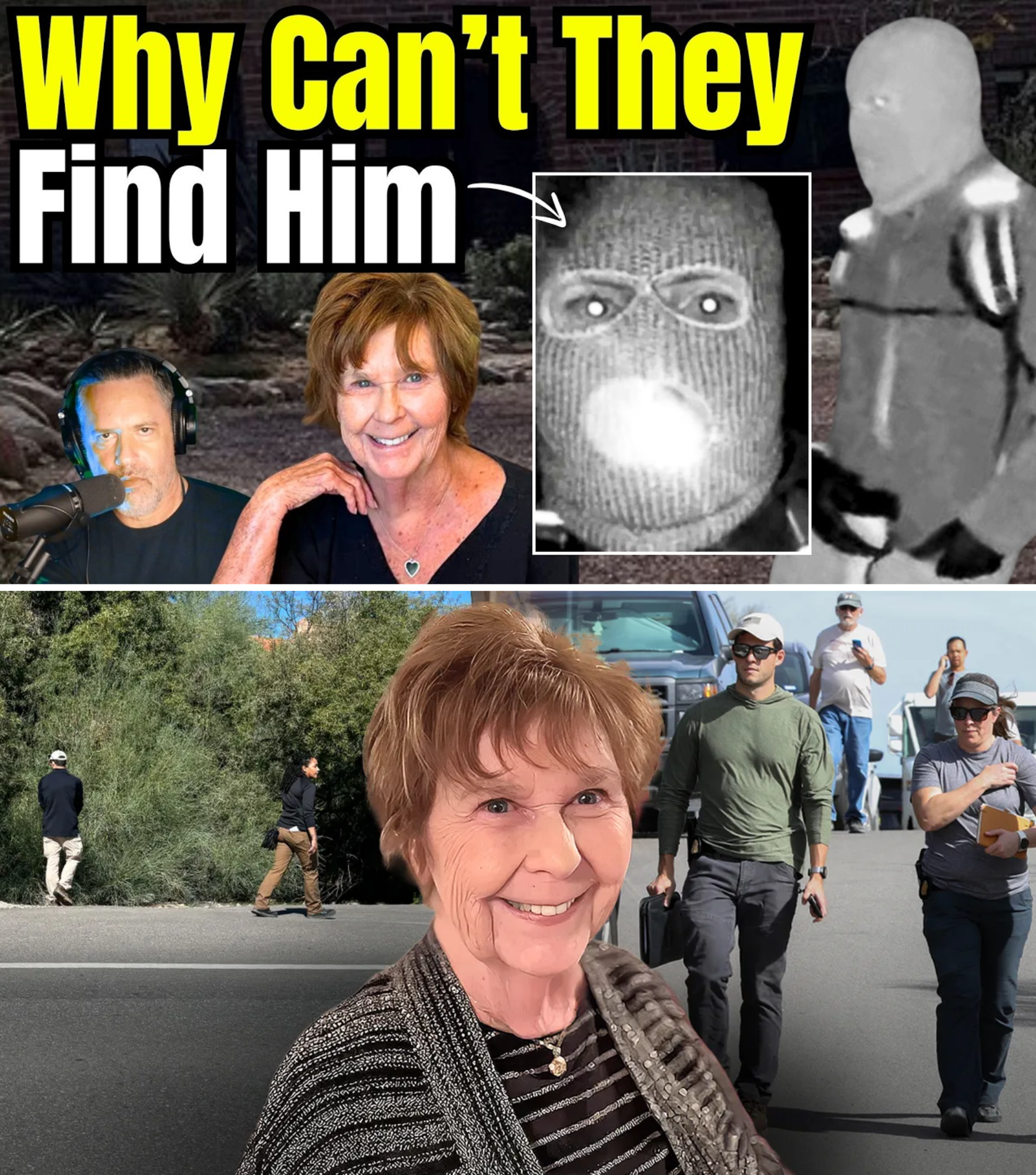
Nancy Guthrie, the 84-year-old mother of “Today” show co-host Savannah Guthrie, was taken from her Tucson, Arizona home in the early morning hours of February 1, 2026. What began as a quiet check-in by family members quickly escalated into a high-profile abduction case filled with disturbing evidence, public frustration, and now open conflict between federal and local authorities.
Nancy had returned home the previous evening after a family dinner. Around 12:15 a.m., surveillance captured a masked individual wearing gloves, carrying a backpack and what appeared to be a handgun, approaching her residence in the Catalina Foothills area. The person was seen on a Google Nest camera. Shortly after, a trail of blood was discovered leading from the front door along stone slabs outside the home. The Ring-style doorbell camera had been tampered with or removed by the time officers arrived.
Family members reported her missing around noon on February 1 after she failed to respond. Investigators immediately treated the scene as a crime, noting Nancy’s limited mobility made it highly unlikely she left voluntarily. Ransom communications were later received by media outlets, prompting a multi-state search involving the Pima County Sheriff’s Office, FBI, and other agencies. A $100,000 reward was offered, yet three months later—approaching the 100-day mark—Nancy remains missing with no arrests and no confirmed suspects.
The investigation has been plagued by controversy. FBI Director Kash Patel publicly criticized Pima County Sheriff Chris Nanos, claiming the FBI was “kept out” of the case for the first four critical days. Patel stated agents were ready to deploy resources, including rapid DNA processing, but local authorities delayed cooperation. Sheriff Nanos strongly denied the allegations, insisting the FBI was notified promptly and that a task force member was on scene early. The public feud has only intensified calls for accountability as tips continue to pour in—over 300 in recent weeks alone.
Forensic efforts have yielded some clues but no breakthroughs. DNA from gloves found near the scene did not match anyone in CODIS, leading investigators to explore genetic genealogy. The Nest footage, recovered from Google’s backend systems despite no active subscription (which normally overwrites data quickly), provided the key image of the masked prowler. Additional digital evidence and a vehicle of interest have been examined, but progress remains slow.
The emotional toll on the Guthrie family has been immense. Savannah Guthrie has made emotional pleas for her mother’s safe return, stating the family would pay any ransom. Nancy, described as vibrant despite her age, had lived in the Tucson area for decades. Community vigils and volunteer search efforts in the surrounding desert have yielded nothing. Some critics point to early investigative missteps, including claims that the assigned homicide team lacked extensive experience.
Public pressure is mounting. There are growing efforts to recall Sheriff Nanos amid broader dissatisfaction with the department’s handling. Residents in Tucson report the case still dominates conversations, though momentum has slowed without new public updates. Former law enforcement insiders, including retired detectives on true crime platforms, highlight the “first 48 hours” rule—golden time often lost in inter-agency friction. Turf wars between local departments and the FBI, described as a long-standing “dirty secret,” may have hampered rapid DNA analysis and resource deployment.
Theories abound but remain unconfirmed. Was this a targeted abduction by someone who knew Nancy or knew of her family’s prominence? A random home invasion gone wrong? Ransom demands suggest financial motive, yet no resolution has come. The desert terrain around Tucson complicates searches, with volunteers offering assistance repeatedly turned down or limited due to official protocols.
This case underscores deeper issues in missing persons investigations, especially for elderly victims. Limited mobility, quick evidence degradation in arid climates, and coordination challenges between agencies all play roles. As the 100-day mark nears, the family and public demand transparency. Savannah and relatives continue holding hope that Nancy is still alive, urging anyone with information to come forward.
Nancy’s disappearance has captivated national attention because it strikes at universal fears—vulnerability in one’s own home, the pain of not knowing, and questions about whether justice systems prioritize speed over jurisdiction. With DNA re-testing underway, more tips expected, and renewed scrutiny on leadership, the investigation continues. But for the Guthrie family, every day without answers deepens the heartbreak. The masked figure on that doorbell footage remains the only clear lead in a mystery that refuses to yield its secrets.
Authorities continue to ask the public for any information. The Pima County Sheriff’s tip line remains active, and the FBI is involved despite the reported early tensions. As one retired detective noted on recent broadcasts, cases like this test not just forensic capabilities but the willingness of agencies to set aside egos for the victim. Nancy Guthrie deserves resolution—whether through a miraculous return or full accountability for whoever took her. Until then, the silence after 95 days echoes louder than ever.