“I Was Too Upset to Tell Liver from Spleen”: Surgeon’s Stunning Admission After Killing Patient in Catastrophic Mix-Up.
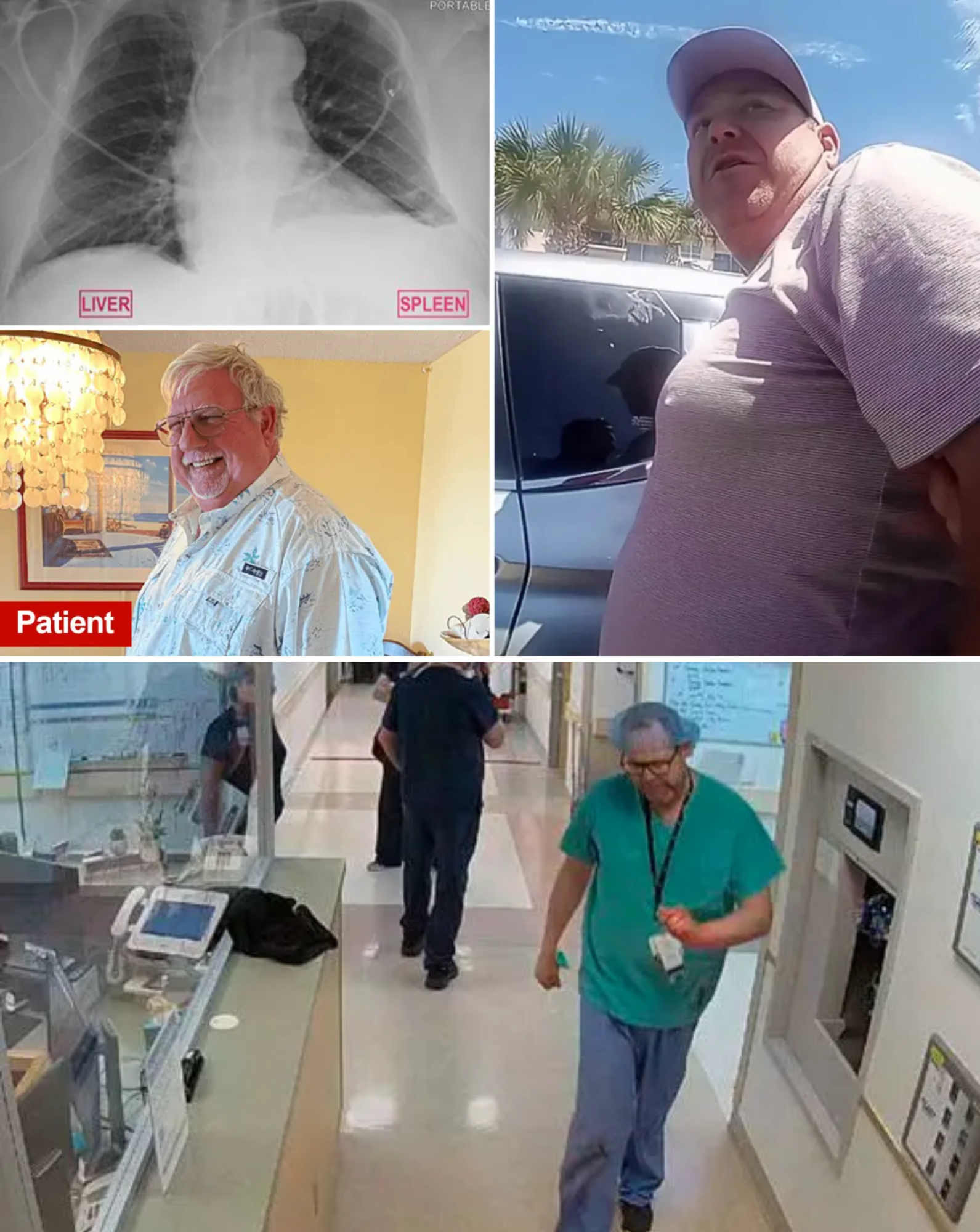
A 70-year-old man walked into a Florida hospital for what should have been a straightforward spleen operation. He never walked out alive. Dr. Thomas Shaknovsky, 44, now faces manslaughter charges after allegedly removing William Bryan’s liver instead of his spleen during surgery at Ascension Sacred Heart Emerald Coast Hospital in Miramar Beach on August 21, 2024. The error caused massive internal bleeding that doctors could not stop.
Bryan and his wife Beverly had been enjoying a vacation from their home in Muscle Shoals, Alabama, when severe abdominal pain forced him to seek medical help. Doctors identified an issue with his spleen and recommended laparoscopic surgery. What began as a planned minimally invasive procedure quickly spiraled into chaos.
According to court filings and Shaknovsky’s own sworn deposition taken in November 2025, complications hit hard. Bryan began bleeding heavily, his enlarged colon blocked the camera’s view, and the team had to perform CPR to restart his heart. In the panic, Shaknovsky converted the surgery to open procedure and removed what he thought was the spleen. It was actually the patient’s liver.
In an emotional eight-hour deposition, the surgeon told lawyers: “I can’t explain to you what it’s like for a surgeon to lose a patient on the table… I couldn’t tell the difference because I was so upset.” He described the moment as devastating and said it still traumatizes him every single day.
Worse still, the lawsuit claims Shaknovsky tried to hide the mistake. He allegedly told a nurse to label the removed organ as a spleen and later informed Beverly that her husband’s spleen was abnormally large and had “migrated” to the wrong side of his body. The liver — far larger and heavier than a spleen — was only correctly identified after Bryan’s death.
Investigators say multiple errors sealed Bryan’s fate. Shaknovsky failed to call for senior backup, cut and stapled major blood vessels around the liver causing catastrophic hemorrhage, and lost control of the bleeding. Bryan went into cardiac arrest and died on the table.
In April 2026, authorities arrested Shaknovsky while he was driving for the rideshare app Lyft. He has been charged with second-degree manslaughter and could spend up to 15 years in prison. He pleaded not guilty and is due in court on May 19. Florida health officials have already revoked his medical license.
This is not Shaknovsky’s first brush with serious allegations. He previously settled a malpractice case involving the death of another elderly patient who died from sepsis after surgery.
Beverly Bryan has filed a wrongful death and medical malpractice lawsuit seeking justice for her husband of many decades. The couple had planned a peaceful retirement filled with travel. Instead, a holiday medical emergency became a nightmare that destroyed their future together.
Medical experts are stunned by the fundamental nature of the error. The liver and spleen sit on opposite sides of the body, differ dramatically in size, weight, color, and function. Critics argue that no amount of stress excuses confusing two such distinct organs. Hospitals are required to follow strict “time-out” protocols and checklists precisely to prevent wrong-site or wrong-organ surgeries.
The case has ignited fierce debate about patient safety, surgeon burnout, and accountability in American healthcare. While surgical mistakes are statistically rare, their consequences are life-shattering — especially when followed by alleged attempts to mislead grieving families.
Shaknovsky’s deposition reveals a doctor clearly shaken by the outcome, yet his reported efforts to conceal the truth have only fueled public outrage. Beverly Bryan continues fighting for answers and systemic changes that could protect other patients from similar fates.
William Bryan’s final hours highlight the terrifying vulnerability patients face once they are under anesthesia. What should have been a routine fix became a fatal chain of errors driven by panic and poor decision-making. His widow now carries both grief and the burden of seeking justice.
This tragedy serves as a powerful warning for anyone facing surgery: always get a second opinion, ask about the surgeon’s experience, insist on clear communication, and understand safety protocols. For the medical community, it underscores the non-negotiable need for calm leadership, proper backup, and absolute transparency even in the most stressful moments.
As the criminal trial approaches, William Bryan’s story reminds us how quickly trust in the white coat can shatter — and how important it is to hold those who break that trust fully accountable. A devoted husband and traveler went in hoping for relief. He left behind a grieving wife and a cautionary tale that could save future lives.