Missing in Vegas: How a 26-Year-Old Solo Traveler’s Routine Night Out Sparked a Desperate International Search.
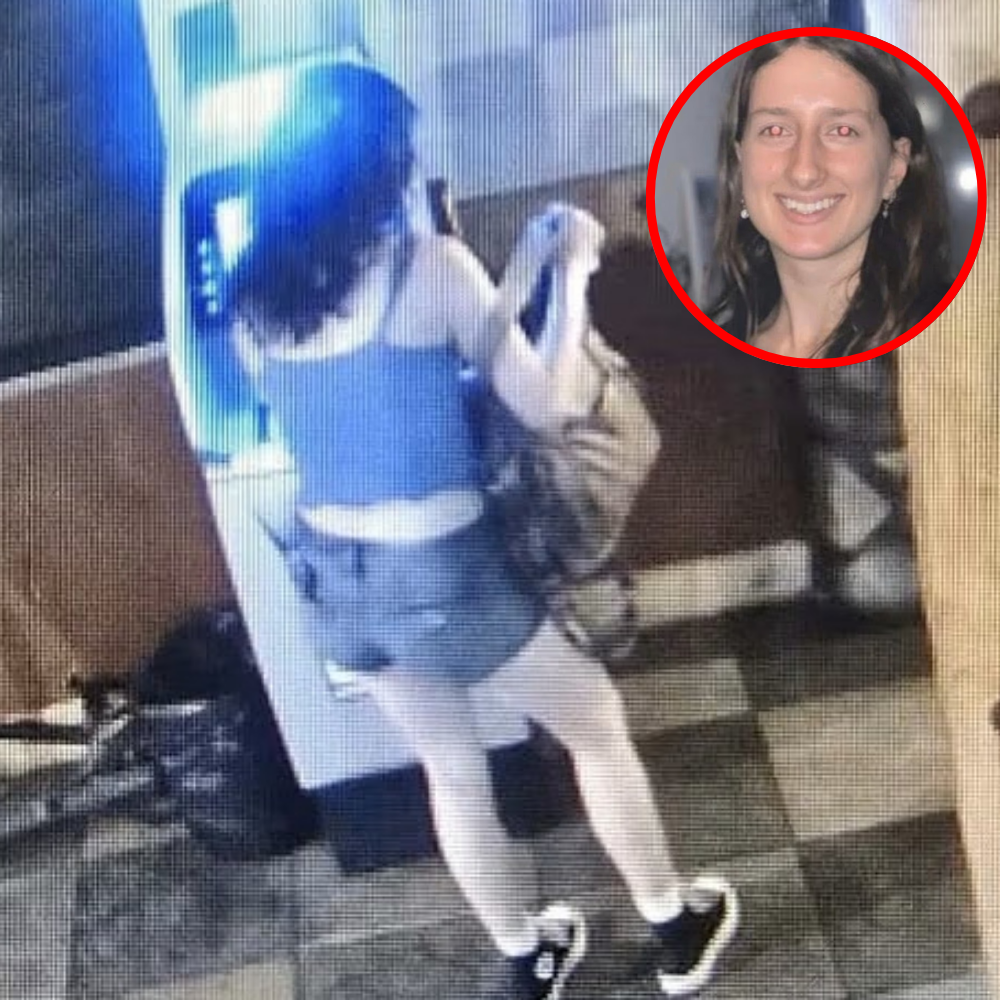
In the glittering shadow of the Las Vegas Strip, where dreams are made and sometimes shattered, the story of Sally Grace Contarino has gripped the hearts of travelers and locals alike. The 26-year-old Melburnian, known for her adventurous spirit and independent journeys across the United States, was supposed to return home to Australia on June 21, 2026. Instead, more than eight days later, she remains missing, her sudden disappearance raising urgent questions about safety, isolation, and the hidden dangers that can lurk even in popular tourist destinations.
Sally’s trip embodied the modern solo traveler’s ethos: exploring freely, soaking in new cultures, and capturing moments that inspire others. She had visited the US before and was navigating the Southwest with apparent ease. Yet her final documented steps reveal a troubling contrast between her cheerful demeanor and the vulnerabilities of her surroundings. On June 19, she was captured on CCTV leaving Timbers Bar & Grill around 10:30 p.m., dressed simply in dark shorts, a tank top, and classic black-and-white Converse shoes. She made her way back to the Bungalows Hostel on South Las Vegas Boulevard, arriving in the early hours of June 20.
What stands out most in recent revelations is the candid assessment from restaurant manager Jocelyn Zeigler-Arthur. She described the neighborhood around Sally’s hostel as “terrible” and unsuitable for a young woman traveling alone. Sally herself came across as quiet but happy during her visit—traits that many solo explorers share, blending caution with an open-hearted curiosity about the world. This detail forces a deeper reflection: budget-friendly hostels in off-Strip areas might offer affordability, but they can expose travelers to risks that polished travel guides often downplay. In a city famous for its 24/7 energy, the fringes can feel worlds apart from the safety of crowded casinos.
After returning to the hostel, Sally checked out remotely later on June 20. She had arranged a Greyhound bus ticket toward Los Angeles to catch her international flight, but that ticket was never used. Her family received their last communication from her that day, and silence followed. Authorities believe she may have last been in the vicinity of Mount Charleston, a picturesque yet remote mountain community about an hour from Las Vegas, popular for hiking and escaping the desert heat. The area’s seclusion—think winding trails, dense forests, and spotty service—adds layers of complexity to the search.
Las Vegas Metropolitan Police have issued a missing persons alert, describing Sally as an endangered adult who could be experiencing severe emotional distress. Additional footage shows her at an ATM, but leads dry up quickly after that. Her slim build, brown hair, and brown eyes match countless other visitors, making public tips essential. Search teams, including those familiar with the rugged terrain around Mount Charleston, continue their efforts, while hospitals remain on alert.
From a broader perspective, Sally’s case is a stark reminder of the double-edged sword of solo travel. In 2026, with apps promising seamless adventures and social feeds filled with envy-inducing snapshots, it’s tempting to prioritize experiences over precautions. Sharing itineraries in real time, choosing accommodations based on verified safety ratings rather than price alone, and maintaining regular check-ins aren’t signs of paranoia—they’re acts of self-preservation. Sally’s well-traveled background likely gave her confidence, yet even seasoned explorers can encounter situations where a single decision, like staying in a less secure neighborhood, amplifies risks exponentially. The manager’s warning, delivered after the fact, highlights how community awareness could prevent tragedies if amplified earlier.
For Sally’s loved ones in Australia, the waiting game is excruciating. They describe a daughter full of life, eager to embrace the world, now potentially lost in a vast American landscape. The emotional weight extends beyond one family: it touches anyone who has waved goodbye to a loved one heading off on their own. True crime enthusiasts and true travelers alike recognize the patterns—disappearances often hinge on overlooked details like location choices or unmonitored transitions between transport hubs. Here, the un-scanned bus ticket and remote checkout suggest plans were in motion, but something interrupted them dramatically.
This incident also prompts important conversations about support systems for international visitors. Enhanced coordination between local police, tourism boards, and foreign embassies could streamline responses. Digital tools for location sharing and community watch programs in high-risk areas might offer proactive protection. As searches persist, the hope remains that Sally is safe—perhaps dealing with personal challenges, disoriented in the mountains, or awaiting help in an unexpected place.
The world is watching this unfolding mystery with bated breath. Sally Grace Contarino’s story is more than a headline; it’s a call to prioritize safety without sacrificing the joy of discovery. Anyone with information, no matter how small, is encouraged to reach out to Las Vegas authorities. In the meantime, her disappearance serves as a poignant lesson: the brightest adventures deserve the strongest safeguards. May this chapter close with a reunion that brings relief to all who care about her.