One Ordinary Text That Changed Everything: Tunchanok Donhomla’s Final Message Before the Pattaya Tragedy.
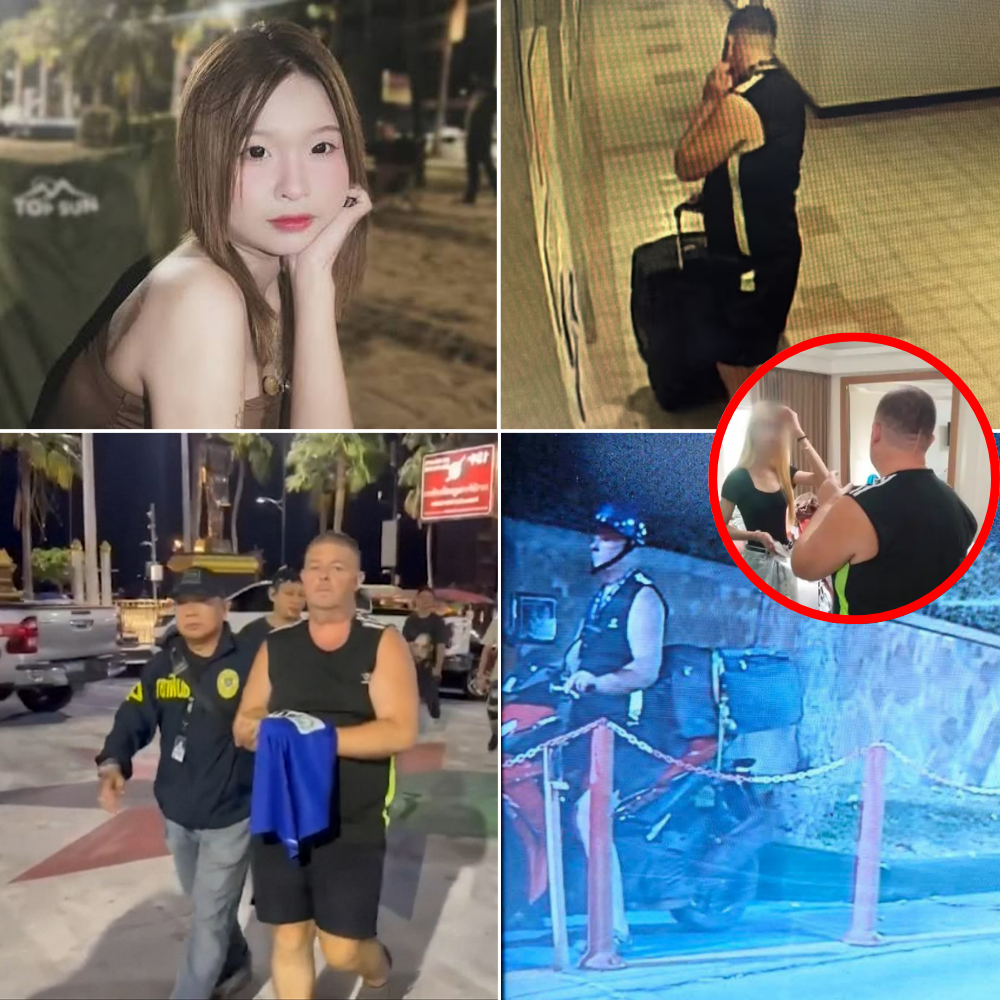
“I’ve arrived at [his] apartment. The room is so messy.” These were among the last words 17-year-old Tunchanok Donhomla sent via Line to her worried friends. What started as a simple reassurance after meeting Australian Simon Peter Carman in Pattaya quickly spiraled into one of the most disturbing cases in recent memory. The message, now public through police disclosures, captures the heartbreaking innocence of a teenager who had no idea her night would end in violence.
Tunchanok, known as Nong Cake, came from Kalasin province and had only been in the Pattaya area for about a week. As an only child who helped her family by contributing what she could, she stayed in regular contact. Friends grew alarmed when she stopped responding after that early morning encounter. A concerned companion even filmed her walking hand-in-hand with Carman before they entered the condominium lift around 3:35 AM.
Inside the room, events escalated fast. According to investigators, a dispute over payment led to a physical struggle. Carman later claimed self-defense, alleging she threatened him with a knife. Police found evidence of conflict in the apartment, and the 17-year-old was strangled within a short timeframe. Her final text, sent to let friends know she had arrived safely, now serves as a poignant timestamp for those fatal minutes.
In the hours that followed, Carman allegedly went about his day normally—shopping, eating, and handling laundry—while her body remained concealed in a suitcase inside his room. CCTV later showed him transporting and abandoning the suitcase near railway tracks. When her friends filed a missing person report, authorities moved quickly, locating the remains and intercepting Carman at Suvarnabhumi Airport as he attempted to board a flight to Perth.
This case reveals deeper issues in Pattaya’s vibrant but risky environment. Young people like Tunchanok, facing economic pressures, sometimes enter situations with uncertain outcomes. Her text about the messy room—meant to ease concerns—now symbolizes how quickly trust can lead to danger. Carman’s recorded message to her family, expressing that he felt “bad” and the incident was “out of my control,” while advising other girls to be careful, has drawn mixed reactions given the evidence against him.
Her grieving family traveled from Kalasin, speaking publicly about their loss and calling for the harshest punishment. Her father and stepmother described a daughter who was independent and supportive despite growing up with challenges. The discovery of her body, the forensic traces from the room, and the digital evidence have strengthened the case, leading to charges of intentional murder and related offenses.
Tunchanok’s story is more than a crime headline. It highlights the urgent need for better education on personal safety, stronger protections for vulnerable youth, and greater scrutiny in tourist hotspots. One casual text about an untidy room became her final act of consideration for friends, underscoring the human cost behind such incidents. It challenges society to address root causes like poverty and exploitation that draw young individuals into precarious encounters.
As the legal process continues, her memory serves as a call for change. Communities must prioritize prevention, support systems, and awareness to ensure no other family endures this pain. What began as an ordinary night and a simple message ended in profound loss, reminding us all that vigilance and empathy can make the difference between safety and tragedy. Justice for Tunchanok means honoring her short life by working toward a safer future for others like her.