Medical Examiner Explains the Excruciating Death of Donike Gocaj After Falling Into an NYC Manhole.
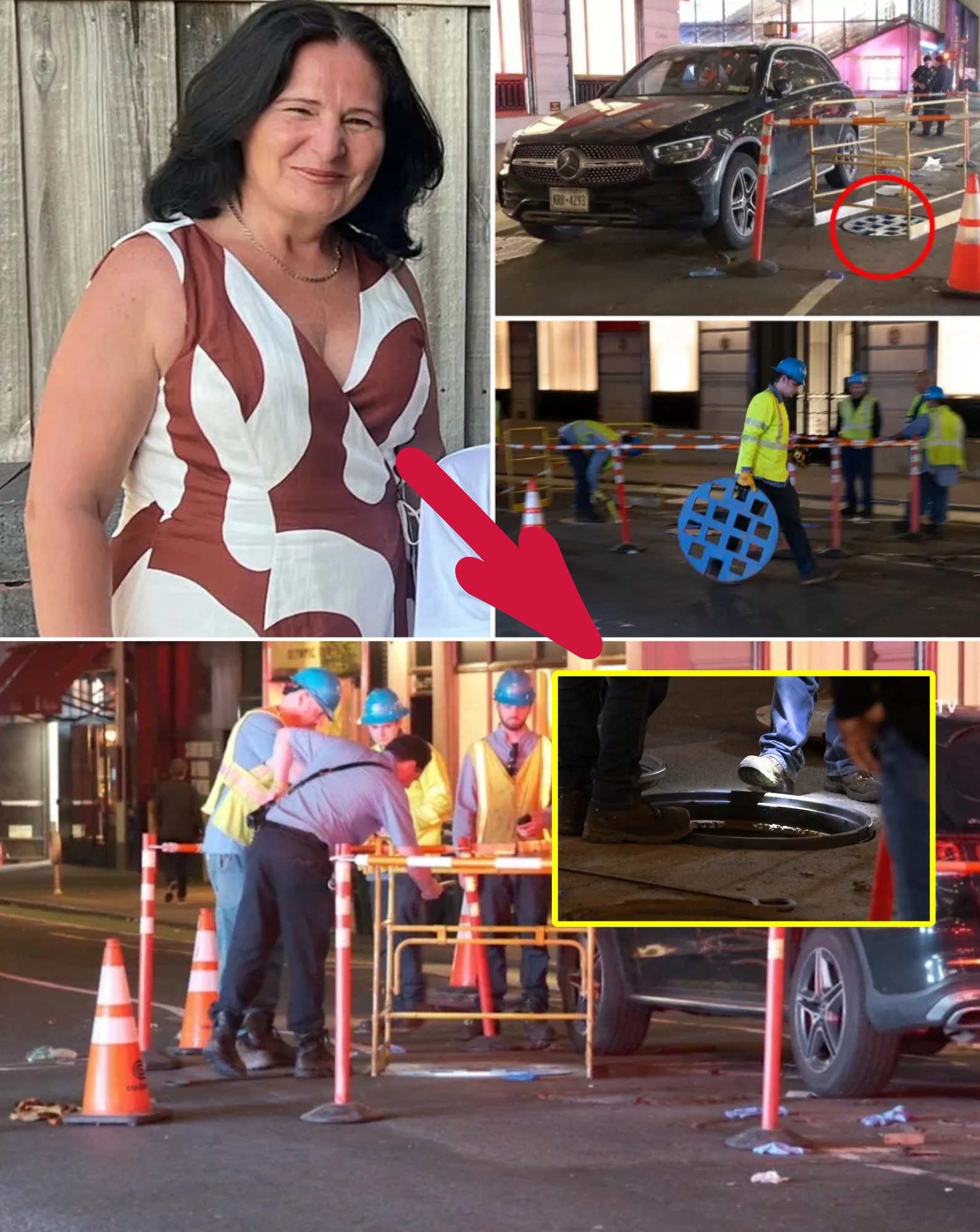
In the heart of Midtown Manhattan, one of New York City’s most glamorous streets became the scene of a horrifying and preventable tragedy on the night of May 18, 2026. Donike Gocaj, a 56-year-old devoted mother and grandmother from Briarcliff Manor in Westchester County, stepped out of her Mercedes-Benz SUV near East 52nd Street and Fifth Avenue — directly into an uncovered Con Edison manhole. She plunged approximately 10 to 15 feet, suffering injuries and exposure to superheated steam that led to her death, according to sources familiar with the medical examiner’s preliminary findings.
Witnesses reported hearing Gocaj’s desperate screams of “I’m dying!” as she lay at the bottom of the utility hole. A passerby alerted authorities, and firefighters worked quickly to extract her from the roughly 10-foot drop. She was rushed to NewYork-Presbyterian/Weill Cornell Medical Center, where she was pronounced dead. The incident has sparked outrage over the city’s aging infrastructure and the dangers posed by displaced manhole covers.
Former New York City medical examiners have described falling into a manhole as potentially one of the “worst ways to die” in the city. Victims can suffer blunt force trauma from the fall combined with exposure to scalding steam or hot pipes that can cause severe burns, respiratory failure, and cardiac arrest. In Gocaj’s case, sources indicate the combination of impact injuries to the torso and the effects of the intense heat and steam triggered a fatal cardiac event. The Office of the Chief Medical Examiner is still finalizing the official cause of death, but early details paint a picture of unimaginable suffering in the final moments.
The manhole cover had reportedly been dislodged just minutes earlier by a multi-axle truck turning onto 52nd Street from Fifth Avenue. Video footage reviewed by Con Edison supports this timeline. No barriers, cones, or warning signs were in place when Gocaj parked her vehicle directly beside the open hole in front of the iconic Cartier flagship store. She had only just stepped out when the tragedy occurred.
Gocaj was remembered by family as a loving mother to a daughter and son, and a proud grandmother to two young grandsons. She was in Manhattan that evening for what should have been an ordinary visit. Her family expressed shock and heartbreak, struggling to comprehend how such a routine moment could end so catastrophically. “It didn’t have to happen,” one relative told reporters at the scene.
This death has renewed long-standing concerns about New York City’s infrastructure. Manholes and utility access points are critical but notoriously hazardous when covers are missing or improperly secured. Similar incidents have occurred in the past, including the 2019 case of a homeless man who fell into a manhole and was found dead weeks later. Advocates are calling for stricter regulations on utility companies, better real-time monitoring of covers, and immediate deployment of safety barriers when issues arise.
Con Edison issued a statement expressing condolences to Gocaj’s family and confirming it is investigating how the cover became displaced. The company noted that while such events are rare, heavy vehicles can sometimes shift covers, especially in high-traffic areas like Midtown. City officials have promised a full review of protocols around utility maintenance and emergency response.
Medical experts emphasize the dual dangers of manhole falls: the physical trauma from the drop and the environmental hazards below street level. Steam pipes carrying superheated vapor can reach temperatures high enough to cause instant severe burns or thermal shock. Combined with possible impact injuries to the head, torso, or limbs, survival rates are extremely low without immediate rescue. In Gocaj’s case, the rapid onset of cardiac arrest likely resulted from the intense pain, shock, and physiological stress.
The tragedy has sparked emotional responses across social media and local news. New Yorkers shared stories of near-misses with open manholes, while others demanded accountability from both Con Edison and the city. Safety campaigns highlighting the importance of watching your step in urban environments have gained traction, though many argue prevention at the source — proper cover maintenance — is far more critical.
For Gocaj’s family, the loss is profound. A woman who enjoyed spending time with her grandsons and living a quiet life in the suburbs had her future stolen in seconds on one of the world’s most famous avenues. Her death serves as a stark reminder that even in a city known for its bright lights and luxury shopping, hidden dangers lurk beneath the sidewalks.
As the official autopsy and investigation continue, the focus remains on honoring Gocaj’s memory and preventing similar deaths. Calls are growing for improved technology such as sensors on manhole covers, faster response teams for displaced utilities, and public awareness initiatives. In the meantime, the image of an open manhole on Fifth Avenue — once a symbol of elegance — now stands as a tragic warning about the fragility of urban safety.
Donike Gocaj’s final screams echo a broader plea: that no one else should suffer such an excruciating and avoidable end. Her story underscores the urgent need for infrastructure investment and vigilance in a city that never sleeps — and where the ground itself can sometimes open without warning.