Gilgo Beach Serial Killer Rex Heuermann Confessed to Ex-Wife: “I Killed Eight Women — Seven in Our Family Home”.
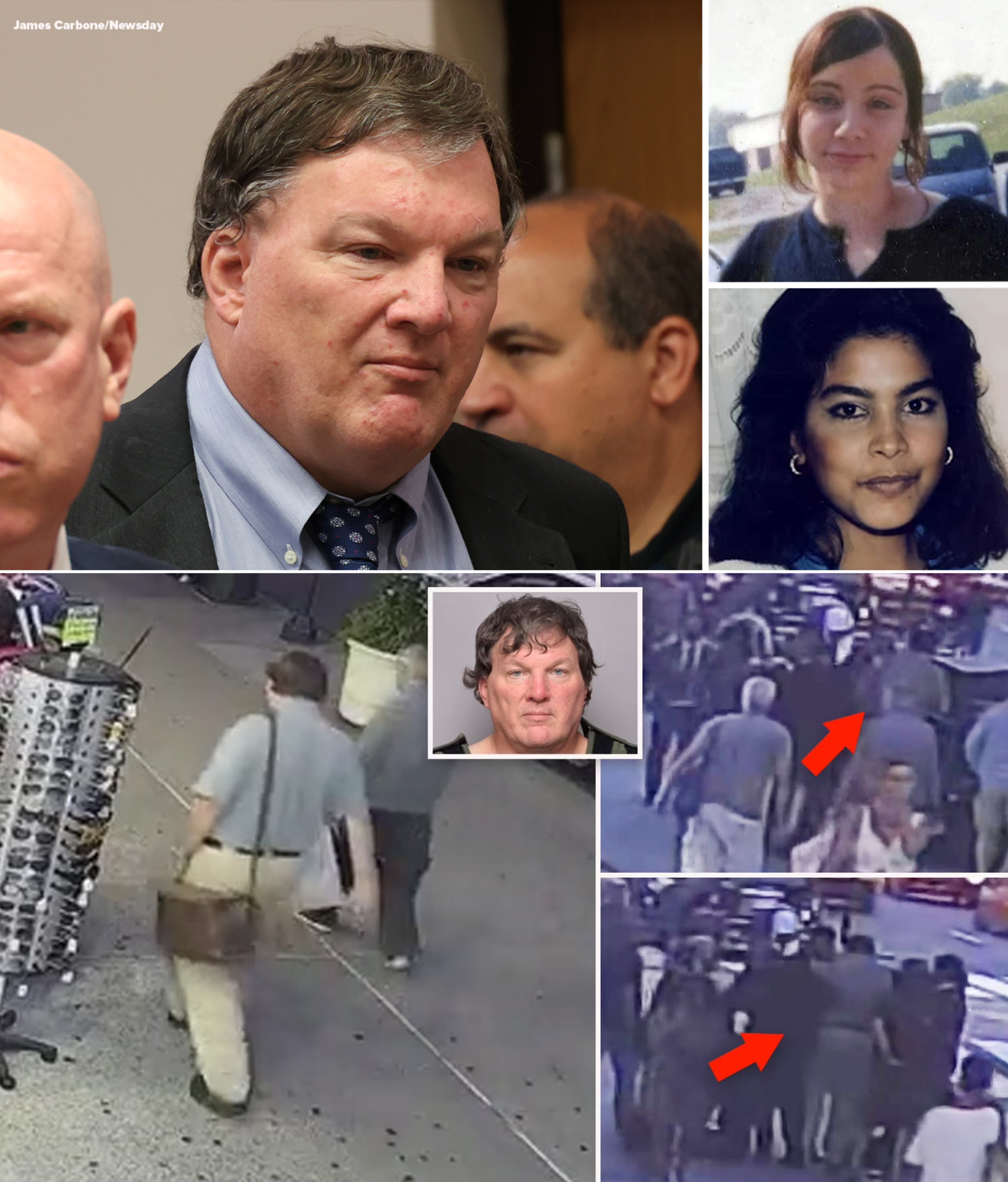
In a revelation that has shocked even seasoned investigators, Rex Heuermann, the man who pleaded guilty to the infamous Gilgo Beach serial killings, made a chilling private confession to his ex-wife just before his bombshell court admission. The 62-year-old former architect calmly told Asa Ellerup that he had murdered eight women over nearly two decades — and that seven of those killings took place inside their seemingly ordinary Massapequa Park home on Long Island, specifically in a downstairs room.
The confession surfaced in a teaser clip for the final episode of the Peacock docuseries “The Gilgo Beach Killer: House of Secrets,” titled “The Confession.” In it, Ellerup, who finalized her divorce from Heuermann last year, recounted questioning him through her lawyer. “So Mr. Heuermann, I understand that you are confessing to me on these murders – can you please tell me how many of these women did you kill?” she asked. Without hesitation, he replied, “Eight.” When pressed about where the murders occurred, Ellerup said he confirmed: “They were killed in his room downstairs. All except one.”
This admission adds a horrifying new layer to one of America’s most notorious unsolved serial murder cases, which spanned from 1993 to around 2010. Heuermann had long maintained his innocence after his 2023 arrest, but on April 8, 2026, he stood in a Suffolk County courtroom and pleaded guilty to the murders of seven women. He also admitted to causing the death of an eighth victim, Karen Vergata (sometimes spelled Vergeta), whose remains were discovered years apart on Fire Island and near Gilgo Beach. Her case had not previously been linked to him.
The victims include the so-called “Gilgo Four” — sex workers whose bodies were found wrapped in burlap along Ocean Parkway in 2010 and 2011:
- Amber Lynn Costello, 27
- Megan Waterman, 22
- Melissa Barthelemy, 24
- Maureen Brainard-Barnes, 25
Additional victims Heuermann admitted to killing:
- Valerie Mack, 24 (vanished in late 2000, dismembered and dumped in Manorville woods)
- Jessica Taylor, 20 (killed July 2003, strangled and dismembered)
- Sandra Costilla, 28 (killed starting in 1993, strangled and dumped near Southampton)
- Karen Vergata (killed April 1996, strangled and butchered)
Heuermann reportedly lured many of the women by arranging meetings or dates, then strangled them. Some were tied up and dismembered before their remains were discarded in remote areas. The revelation that most killings happened inside the family home — a place where he lived as a “normal suburban dad” with his wife and daughter — has left the public reeling. Prosecutors described him as a man who “walked among us playacting as a normal suburban dad” while secretly targeting women he believed he could “silence forever.”
Asa Ellerup’s reaction in the docuseries clip captures the disbelief: a stunned “Eight?” followed by the devastating confirmation about the location. She and their adult daughter, Victoria, are shown grappling with the reality in the episode, which explores how they processed the confession in the days leading up to Heuermann’s guilty plea. Ellerup has consistently maintained she had no knowledge of the crimes, and prosecutors have confirmed she was away from home during the times the murders occurred. Still, the family home — including a secured basement room behind a metal door — has become central to the horror.
The Gilgo Beach case first exploded into public awareness in 2010 when the remains of the “Gilgo Four” were discovered. Over the years, additional victims linked to the same killer were identified, including some whose bodies were found in Manorville and other locations. Heuermann, a hulking architect who lived just miles from the dump sites, was arrested in 2023 after DNA and other evidence tied him to the crimes. For years he protested innocence, but earlier this month he changed course, pleading guilty reportedly to spare victims’ families and his own the trauma of a full trial.
Suffolk County District Attorney Ray Tierney emphasized the deception: “This defendant walked among us playacting as a normal suburban dad when all along he was targeting these women for death. He thought that by killing them he could silence them forever and get away with murder. But he was wrong.”
Heuermann is scheduled to be sentenced on June 17, 2026. The case is expected to conclude with the plea, closing a dark chapter that haunted Long Island for over three decades. Yet the confession raises disturbing new questions: How could such horrors occur undetected in a family home? What signs, if any, were missed? And what drove a man living a double life to confess so matter-of-factly to the woman who shared his life for nearly 30 years?
For the families of the victims, the guilty plea brings a measure of justice, though the pain remains immeasurable. Many of the women were vulnerable sex workers whose disappearances were initially overlooked. Their stories — of lives cut short in brutal fashion — now serve as a grim reminder of the monsters who can hide in plain sight.
As the docuseries airs, viewers are left confronting the unsettling reality: the quiet suburban house in Massapequa Park was not a sanctuary, but for seven women, the final place they ever saw. One victim escaped that fate, killed elsewhere, but the details of that exception remain unknown. Heuermann’s calm admission has shattered any remaining illusions of normalcy in the case.
In the end, the Gilgo Beach killer’s confession to his ex-wife stands as one of the most chilling moments in modern true crime. A man who posed as a devoted husband and father admitted to turning his family home into a house of horrors — all while believing he could get away with it. Justice may finally be served, but the echoes of those eight lost lives will haunt Long Island, and the nation, for years to come.