Louisiana Father Annihilates His Own 8 Children in Horrific Domestic Shooting – One Uncle’s Words Break the Internet.
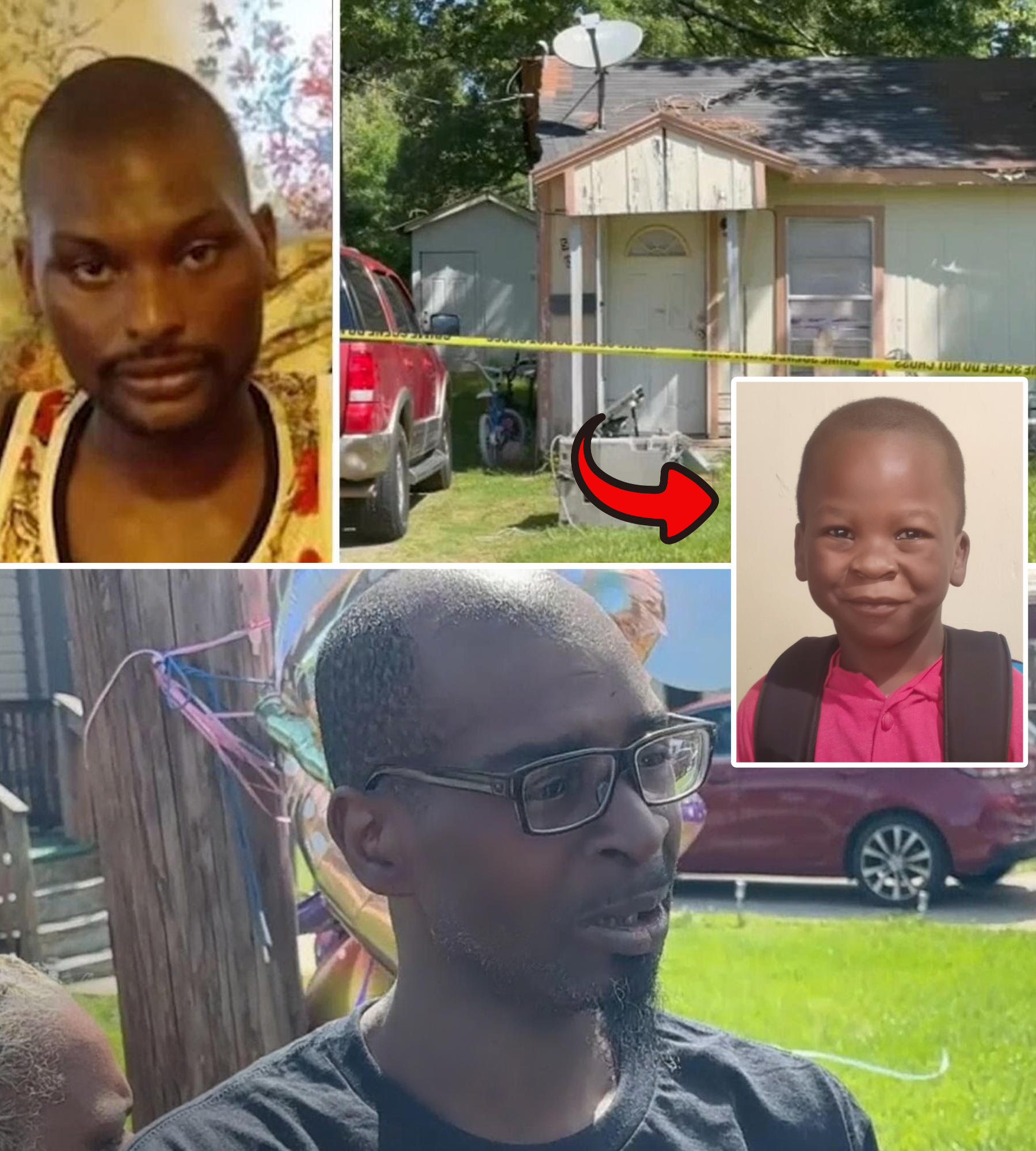
In a quiet Louisiana neighborhood over the weekend, what began as a domestic dispute escalated into one of the most devastating family tragedies in recent memory. A gunman, identified as Elkins, systematically targeted his own family, killing eight children aged 3 to 11 — seven of his own biological children and one young cousin. Two women, including the suspect’s wife, were also shot but are expected to survive. The incident has left an entire community in mourning and sparked urgent conversations about domestic violence, mental health, and the hidden dangers lurking behind closed doors.
According to police reports, the shooter had been struggling with mental health issues and had recently sought treatment. On the day of the tragedy, tensions reportedly boiled over, possibly linked to an ongoing divorce. The suspect allegedly told his wife, “You caused this,” before unleashing unimaginable violence. The attack unfolded in two locations just a block apart. First, Elkins confronted and shot a woman — the mother of at least three of the children — in the face, falsely claiming her kids were already dead. He then moved to a nearby house where the children were gathered, executing all eight in cold blood.
Miraculously, two other individuals escaped: a woman and a young girl who jumped from the roof to flee the gunfire. Both sustained injuries but are recovering in hospital. The suspect’s wife was shot in the face yet survived the initial assault. After the killings, Elkins carjacked a vehicle and led police on a high-speed chase into neighboring Bossier City. He was eventually shot and killed by officers when he exited the car.
The human cost of this massacre is impossible to quantify. Among the victims was a 10-year-old boy whose “Guncle” (a beloved uncle figure), Troy Brown, stepped forward in an emotional interview that has since gone viral. Fighting back tears, Brown shared the simple, everyday moments that were stolen from him forever:
“I’m never gonna get to throw the football with him again. I’m never gonna get to hear him say, ‘Daddy, can I get this bag of chips?’ I’m never gonna get to hear my nieces say, ‘Gunk, can I get a nana? Guncle, you going to work? Guncle, are you okay?’ I’m never gonna hear that again.”
These raw words capture the profound, irreplaceable loss felt by surviving family members. The children, ranging from toddlers to preteens, were described by loved ones as full of life, laughter, and innocent dreams. One moment they were playing and asking for snacks; the next, their voices were silenced.
Authorities have classified the event as a domestic violence incident with roots in long-simmering family conflict. Shreveport City Council chair emphasized during a press conference that “domestic violence is nobody’s joke,” highlighting how ignoring warning signs can lead to catastrophic outcomes. The suspect’s recent mental health struggles and possible divorce proceedings appear to have been contributing factors, though investigations are ongoing to determine the full sequence of events and any missed opportunities for intervention.
This tragedy adds to a growing list of family annihilations in the United States, where domestic disputes turn deadly with alarming frequency. Experts note that firearms in the home during high-conflict separations significantly increase risk, particularly when mental health issues are present. Survivors now face lifelong trauma — the mother shot in the face, the woman and girl who jumped from the roof, and the extended family members left to bury eight young lives.
Communities across Louisiana and beyond have rallied with candlelight vigils and calls for stronger support systems. Domestic violence hotlines have seen increased traffic as people reflect on their own relationships and urge others to seek help before it’s too late. Mental health advocates stress the importance of accessible treatment and removing barriers that prevent individuals from getting the care they need.
As details continue to emerge, one thing is painfully clear: behind the statistics are real families shattered in an instant. Troy Brown’s heartbreaking interview serves as a stark reminder that the victims are not just names on a list — they were sons, daughters, nieces, nephews, and cousins who brought joy to those around them.
The investigation remains active, with police piecing together the final hours leading up to the shooting. Questions linger about how the suspect obtained the weapon, whether prior warnings were reported, and what more could have been done to protect the children.
In the wake of such profound loss, many are asking: How do we prevent the next tragedy? Stronger domestic violence laws, better mental health resources, and community awareness programs are frequently cited as necessary steps. For now, a father grieves the future he will never share with his son, and an entire family mourns the laughter that will never fill their homes again.
This story underscores the fragility of life and the devastating ripple effects of unchecked anger and untreated pain. As the community heals, the memory of those eight young souls — full of potential and love — will serve as a call to action for greater compassion and vigilance in our families and neighborhoods.