Bodies Repatriated: USF Murder Victims Zamil Limon and Nahida Bristy Returning to Bangladesh as Families Demand Justice.
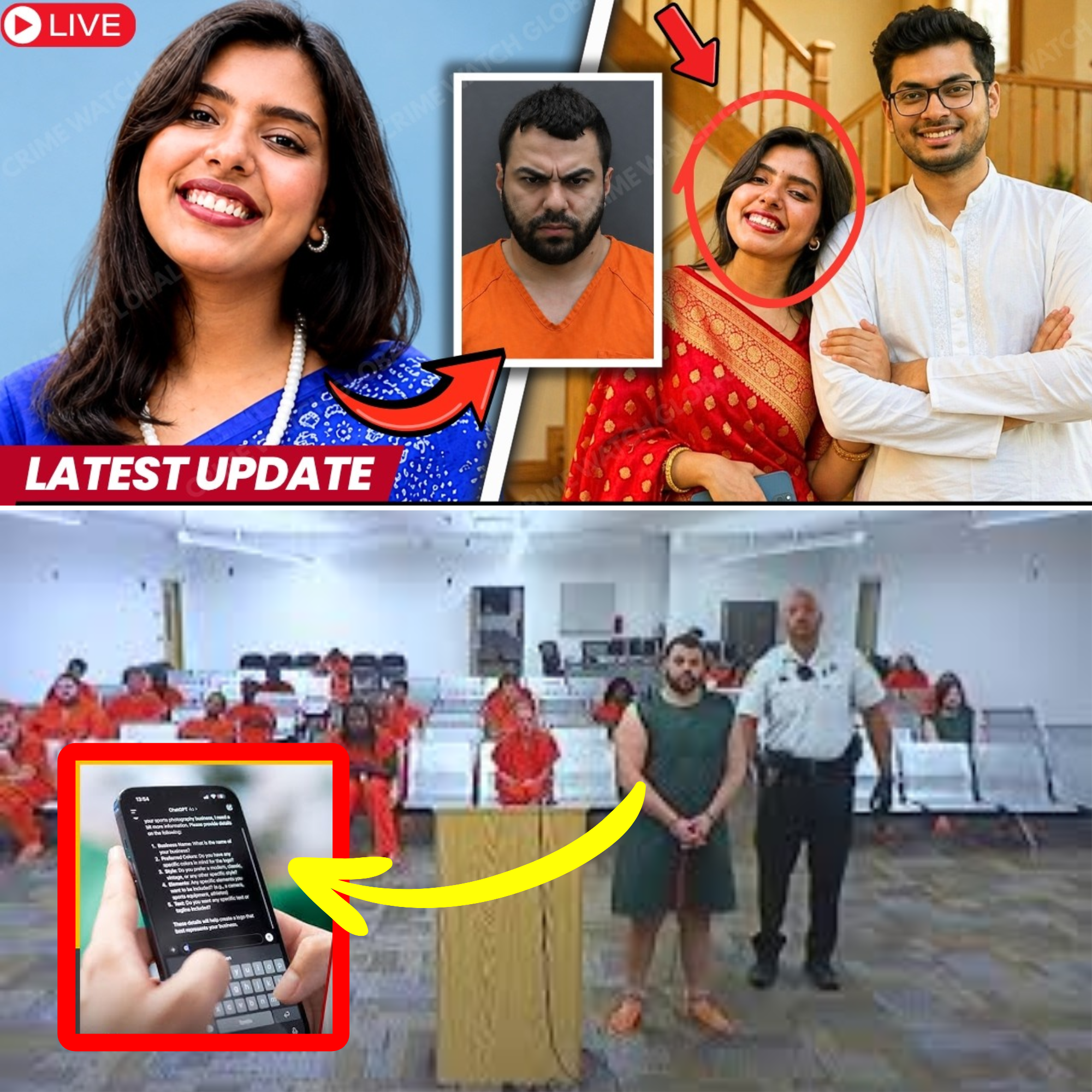
In one of the most devastating chapters for the Bangladeshi community in the United States, the remains of two promising University of South Florida doctoral students — Zamil Limon and Nahida Bristy — are being prepared for repatriation to their homeland following their brutal murders in Tampa. On May 1, 2026, Hillsborough County Sheriff Chad Chronister confirmed the positive identification of Nahida Bristy’s remains, bringing a painful closure to the search while opening deep wounds of grief for families thousands of miles away who now face burying their children far too soon.
Both victims, 27 years old and full of ambition, had traveled from Bangladesh to pursue advanced degrees at USF. Zamil Limon was enrolled in geography, environmental science, and policy, while Nahida Bristy was advancing in chemical engineering. They were last seen on April 16, 2026. Their disappearance quickly escalated into a double homicide investigation centered on Limon’s roommate, 26-year-old Hisham Saleh Abugharbieh.
The discoveries were grim. Limon’s body, showing multiple stab wounds, was found on April 24 inside black garbage bags near the Howard Frankland Bridge. Authorities later revealed disturbing details: his hands and ankles were bound, and his legs were nearly severed to allow his body to be folded and stuffed into the bag — an act Sheriff Chronister described as treating a human life “like a piece of trash.” Two days later, a kayaker’s fishing line snagged another garbage bag in Tampa Bay south of the bridge. Inside were heavily decomposed remains later confirmed as Bristy’s through DNA, dental records, and matching clothing.
Abugharbieh faces two counts of first-degree premeditated murder with a weapon, plus charges of unlawfully moving dead bodies, failure to report deaths with intent to conceal, tampering with evidence, false imprisonment, and battery. He was arrested April 24 after a brief standoff and remains held without bond. A grand jury hearing is scheduled for the week of May 7, with prosecutors seriously considering the death penalty.
The crime scene at Avalon Heights apartments revealed premeditation. Blood trails stretched from the kitchen into the bedroom, with a fetal-position outline near the suspect’s bed. The air conditioning was set to its lowest temperature to delay decomposition. A missing doormat and discarded items in the complex dumpster — including Limon’s bloodied belongings — helped crack the case. Court documents also allege Abugharbieh queried ChatGPT about hiding bodies and used the victims’ phones to send deceptive messages.
Families in Bangladesh received the news with unimaginable sorrow. Bristy’s brother, Zahid Pranto, described her as “the perfect sister” and “perfect daughter,” a talented young woman whose dream was to complete her studies and return home to contribute to society. Friends and the Bangladeshi Student Association at USF remember both victims as exemplary students and “family away from home.” Vigils have been held on campus and at local mosques.
Sheriff Chronister has coordinated with authorities to expedite the release of both bodies in accordance with Islamic burial traditions. Limon’s remains were expected to depart soon, with Bristy’s following. The Bangladesh Embassy has been involved in facilitating the repatriation process.
This tragedy has shaken the USF community and the broader international student population. It highlights vulnerabilities in off-campus housing, the importance of background checks for roommates, and the isolation many students face far from family support. A student petition for safer off-campus housing has already gained traction.
As the legal proceedings move forward, the focus for loved ones remains on honoring Zamil and Nahida’s memories and ensuring justice. Their bright futures — filled with academic promise and dreams of giving back — were violently ended in an act authorities label as pure evil. The repatriation of their bodies symbolizes not just an ending, but a final journey home where families can lay them to rest with dignity and begin the long process of healing.