The Chilling Double Murder at USF: How a Roommate’s Calculated Evil Shattered Two Bright Futures.
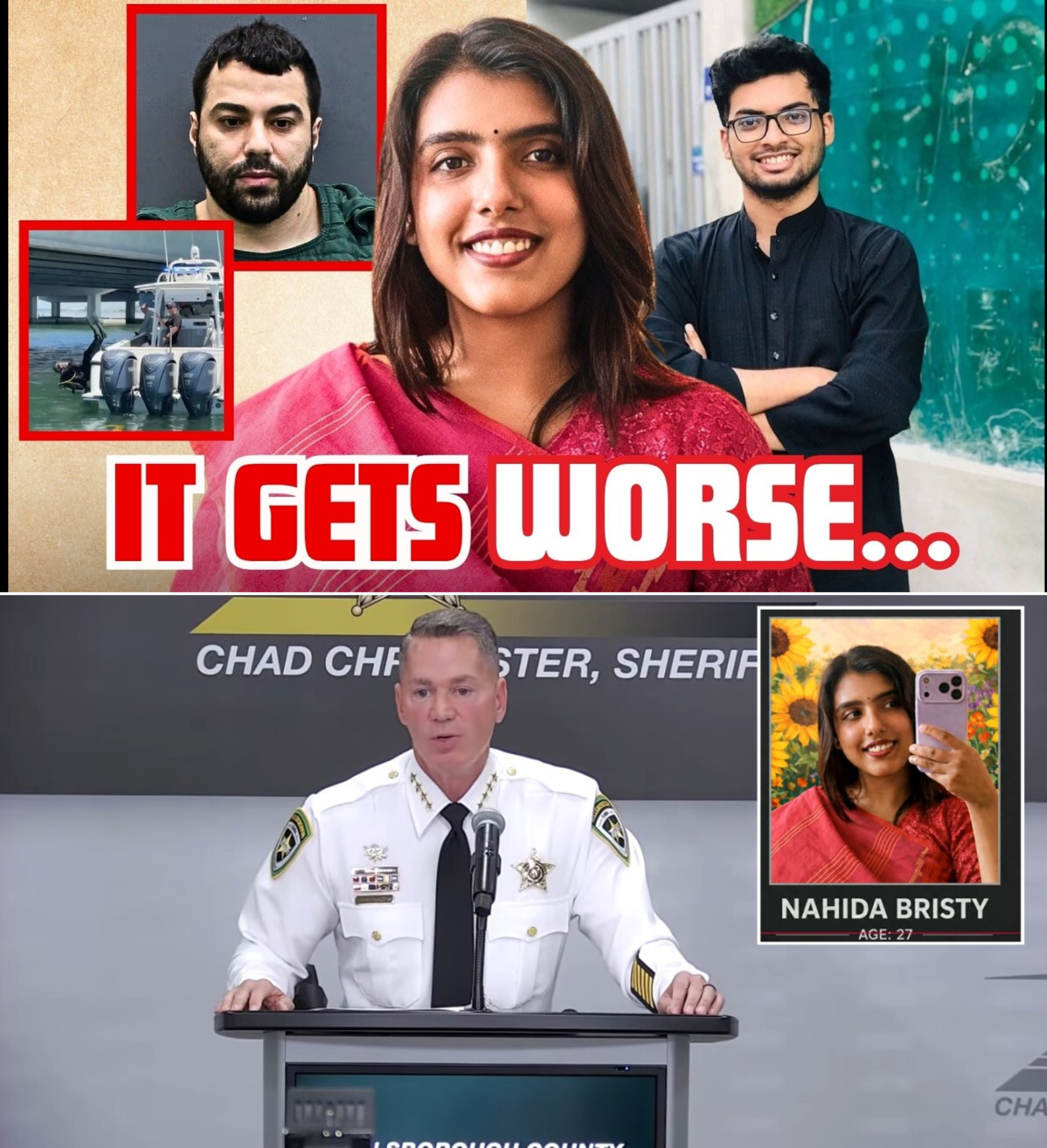
In the vibrant academic community of the University of South Florida in Tampa, two promising doctoral students from Bangladesh—Zamil Limon and Nahida Bristy—embodied the American dream of hard work, ambition, and hope for a better future. Both 27 years old, they had traveled far from home to pursue advanced degrees, contributing to research and enriching campus life. Yet, in mid-April 2026, their lives were brutally cut short in a double homicide that has shocked the nation with its premeditation, cruelty, and the disturbing actions of the man accused of carrying it out.
Zamil Limon, studying geography, environmental science, and policy, and Nahida Bristy, pursuing chemical engineering, were last seen on April 16, 2026. What began as a missing persons case quickly unraveled into one of the most harrowing investigations in recent Florida history. Limon’s roommate, 26-year-old Hisham Saleh Abugharbieh (also referred to as Hisham Abugharbieh or Hashem Abugharby), a former USF student, now faces two counts of first-degree premeditated murder with a weapon, along with charges including tampering with evidence, unlawfully holding or removing dead bodies, failure to report deaths, battery, and false imprisonment.
The nightmare started in the Avalon Heights apartment complex. Investigators discovered a scene straight out of a horror film: blood patterns on the floor outlining two human shapes, one in a fetal position near the suspect’s bed. BlueStar forensic technology revealed extensive blood trails from the kitchen down the hallway into the bedroom. The apartment’s thermostat had been cranked down to around 60°F—the coldest setting—to slow decomposition and mask odors, a calculated move to buy time.
A missing doormat told its own story. Authorities believe it absorbed critical evidence from the initial attack on Limon near the entrance. The suspect allegedly disposed of it, along with other items, in the complex dumpster—where detectives later recovered Limon’s blood-soaked clothes, glasses, student ID, and wallet. This discovery shifted the case from missing persons to a homicide investigation.
Disturbing digital evidence painted an even darker picture. Court documents reveal Abugharbieh allegedly queried ChatGPT with questions about hiding bodies, disposing of evidence, and related violent topics before and after the disappearances. He reportedly used the victims’ phones to send messages impersonating them, creating the illusion they were safe and simply busy. A fake beard, wiped phones, and cleaned GPS data suggest a methodical cover-up.
On April 25 or shortly after, Limon’s body—stabbed multiple times—was found in a garbage bag on or near the Howard Frankland Bridge over Tampa Bay. Two days later, a kayaker’s fishing line snagged another garbage bag containing heavily decomposed remains. Through DNA, dental records, and clothing, these were positively identified on May 1, 2026, as Nahida Bristy’s. Sheriff Chad Chronister confirmed the devastating news to the families in Bangladesh.
Friends later revealed Nahida had felt uneasy visiting the apartment in the weeks prior, sensing an unsettling presence without naming anyone specifically. Other roommates had complained about Abugharbieh’s disturbing behavior and comments, even requesting he be moved. One cooperative roommate alerted police early to inconsistencies.
This case transcends a simple roommate dispute. It highlights vulnerabilities faced by international students far from home, the ease of digital deception, and how evil can hide in plain sight within academic communities. Sheriff Chronister described the crimes as going “against every grain that Americans stand for,” noting the pain of notifying families across the world.
Abugharbieh was arrested after a brief standoff. He has prior minor charges but completed a diversion program. He is held without bond, and the case heads to a grand jury, where the death penalty remains possible. USF held vigils honoring the victims as exemplary students and family away from home. Bristy’s brother remembered her as the “perfect sister” dreaming of returning home.
The tragedy has sparked discussions on campus safety, mental health support for students, and better background checks in shared housing. As the investigation continues, the focus remains on justice for Zamil and Nahida—two lives full of potential stolen in an act authorities call pure evil.