Hollywood vs. the Badge: Matt Damon and Ben Affleck Face Defamation Lawsuit Over Netflix Thriller “The Rip”
In a dramatic clash between Hollywood storytelling and real-life law enforcement, two Miami-Dade sheriff’s deputies have filed a defamation lawsuit against Matt Damon, Ben Affleck, and their production company over the Netflix crime thriller The Rip. The film, which premiered on the streaming giant in January 2026, draws heavily from a headline-grabbing 2016 drug raid in South Florida. While billed as “inspired by true events,” the officers at the center of that real bust claim the movie crosses the line from dramatization into damaging falsehoods that paint them as corrupt “dirty cops.”
The lawsuit, filed in Miami federal court earlier this month, centers on Sergeants Jason Smith and Jonathan Santana of the Miami-Dade Sheriff’s Office. The pair allege that The Rip uses specific, identifiable details from their record-setting cash seizure while fabricating a narrative of police misconduct, theft, and internal corruption. They are seeking compensatory and punitive damages, attorney fees, and a public retraction from Artists Equity—the production company co-founded by Damon and Affleck—along with any other involved entities.
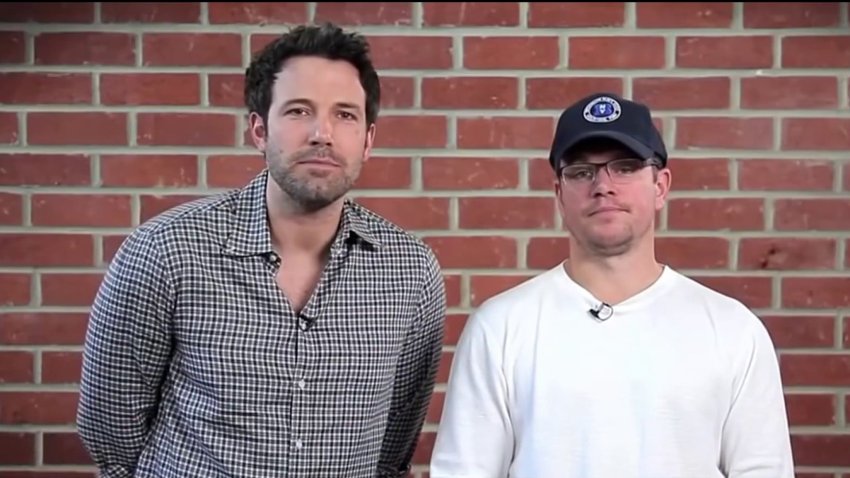
The Rip stars Damon as Lt. Dane Dumars, a tactical narcotics team leader, and Affleck as Detective Sgt. J.D. Byrne. Directed by Joe Carnahan, the high-octane thriller follows two Miami-Dade officers who stumble upon more than $20 million in cartel cash hidden inside a seemingly ordinary suburban home during a raid. What begins as a routine bust quickly unravels into a tense psychological drama as the discovery exposes cracks in the department, tests loyalties, and raises questions about who can truly be trusted when millions are on the line. The film blends edge-of-your-seat action with moral ambiguity, exploring themes of temptation, betrayal, and the thin blue line between duty and self-interest.
At its core, the story is rooted in a real event that made national headlines in June 2016. On a quiet street in Miami Lakes, officers from the Miami-Dade Police Department (now under the Sheriff’s Office) executed a search warrant on a residence. What they uncovered was extraordinary: nearly $22–24 million in cash stuffed into orange Home Depot buckets, hidden behind a false wall in the attic, along with a TEC-9 firearm. It was, at the time, the largest cash seizure in the county’s history. The money was believed to belong to a drug cartel, and the raid represented a significant blow to narcotics operations in South Florida.
Smith and Santana, who played key roles in that operation, say the film borrows too liberally from their real experiences. According to court filings, the movie replicates distinctive elements such as the use of identical orange buckets, the specific Miami Lakes location, the hidden attic compartment, and other operational details. While the production includes the standard disclaimer that it is “inspired by true events,” the officers argue that the fictionalized portrayal—showing characters based closely on them engaging in unethical behavior, poor judgment, and outright corruption—has caused substantial harm to their personal and professional reputations.
The plaintiffs claim the film implies they are involved in misconduct connected to the bust, damaging their standing within the law enforcement community and the public at large. In an era when police departments already struggle with recruitment and public trust, they argue that being associated with a narrative of “dirty cops” stealing cartel money or covering up crimes inflicts real-world consequences. Friends, family, colleagues, and even potential recruits may now view them through a lens of suspicion, they contend.
For Damon and Affleck, The Rip marks yet another collaboration between the longtime friends and Oscar-winning filmmakers. Their production company, Artists Equity, has built a reputation for ambitious, star-driven projects that often tackle complex moral territory. Affleck and Damon have frequently blurred the lines between fact and fiction in their work, from The Departed to more recent endeavors. In The Rip, they aimed to deliver a gripping police procedural that feels authentic while exploring the psychological toll of high-stakes law enforcement work. Carnahan’s direction brings a gritty, fast-paced energy reminiscent of his earlier films like The Grey and Narc.
Netflix positioned The Rip as a major release, leveraging the star power of its leads and the intrigue of a true-crime-inspired tale set against Miami’s vibrant, dangerous backdrop. Early reviews praised the film’s tension, strong performances, and commentary on corruption and power. Audiences were drawn to the moral gray areas and the question of what anyone might do when faced with millions in untraceable cash. The movie quickly climbed Netflix charts, sparking conversations about police ethics, the war on drugs, and the challenges faced by officers on the front lines.
Yet for Smith and Santana, the spotlight has been unwelcome. They assert that the film not only misrepresents their actions during the 2016 raid but actively harms their careers. In the years since the bust, both men continued serving in narcotics and tactical units, building solid reputations. The lawsuit highlights how the movie’s release has led to awkward conversations, online speculation, and professional setbacks. One officer reportedly faced changes in behavior from community members and even within the department, with whispers questioning their integrity based on the fictional story.
Legal experts note that defamation cases against Hollywood productions are notoriously difficult to win, especially when a film includes disclaimers and is presented as dramatized fiction. However, the officers’ attorneys argue that the combination of highly specific real details with invented negative portrayals crosses into defamation per se and defamation by implication. They also allege intentional infliction of emotional distress. The complaint demands not just monetary compensation but a public correction to mitigate ongoing damage.
This isn’t the first time a true-story-inspired film has sparked backlash from real individuals depicted on screen. High-profile cases involving projects like The Social Network, Bombshell, or various biopics have led to similar disputes, often resulting in settlements or public statements. What makes The Rip unique is the direct involvement of active law enforcement officers who feel their heroic bust has been twisted into a tale of betrayal.
As the lawsuit progresses, it raises broader questions about creative freedom versus responsibility in Hollywood. How far can filmmakers go when adapting real events? Where does inspiration end and harmful misrepresentation begin? Supporters of the film argue that dramatic license is essential for storytelling and that audiences understand the difference between fact and fiction. Critics of the production, including the suing officers, counter that when real names, faces, and careers are indirectly put at risk, creators have a duty to be more careful.
Damon and Affleck have not yet publicly commented on the lawsuit in detail, though insiders suggest their team is reviewing the claims and preparing a robust defense emphasizing the fictional nature of the narrative. Artists Equity has a track record of thoughtful projects, but this legal challenge could test their approach to fact-based storytelling moving forward.
For Miami-Dade law enforcement, the case touches on deeper issues. The department has worked hard to rebuild trust after past scandals, including the infamous Miami River Cops corruption case from the 1980s. While The Rip is not a documentary, its wide reach means millions of viewers worldwide may now associate the 2016 bust with fictional corruption, potentially overshadowing the real officers’ achievements.
As the legal battle unfolds, The Rip continues to stream and spark debate. It remains a compelling thriller that keeps audiences guessing about loyalty and greed. Yet behind the entertainment lies a human story: two sergeants who thought they were part of a landmark success now fighting to protect their good names in court.
The outcome could have significant implications not just for Damon and Affleck but for the entire industry. If the officers prevail or force a substantial settlement, it may encourage more individuals portrayed in “inspired by” stories to push back. Conversely, a strong defense could reinforce Hollywood’s latitude in dramatizing real events.
In the end, The Rip was meant to be a gripping tale of cops, cash, and consequences. Now, the real-life consequences of that storytelling are playing out in a Miami courtroom. Whether this lawsuit becomes another footnote in Hollywood lore or a landmark case on defamation and creative rights, one thing is clear: when Hollywood borrows from real life, the line between inspiration and implication can sometimes lead straight to litigation.
The officers involved in one of South Florida’s biggest drug busts never expected their moment of professional triumph to become the subject of national controversy years later. As Damon and Affleck’s latest collaboration faces scrutiny, the case serves as a timely reminder that behind every “true story” on screen are real people whose lives continue long after the credits roll.