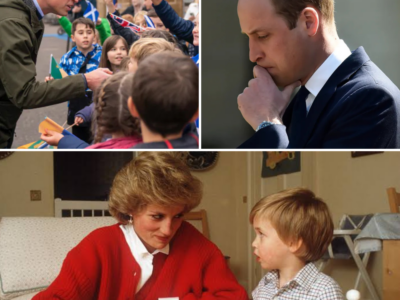
What If Diana Never Divorced Charles and Lived to Become Queen? The Royal Family’s Fate Would Have Been Utterly Transformed
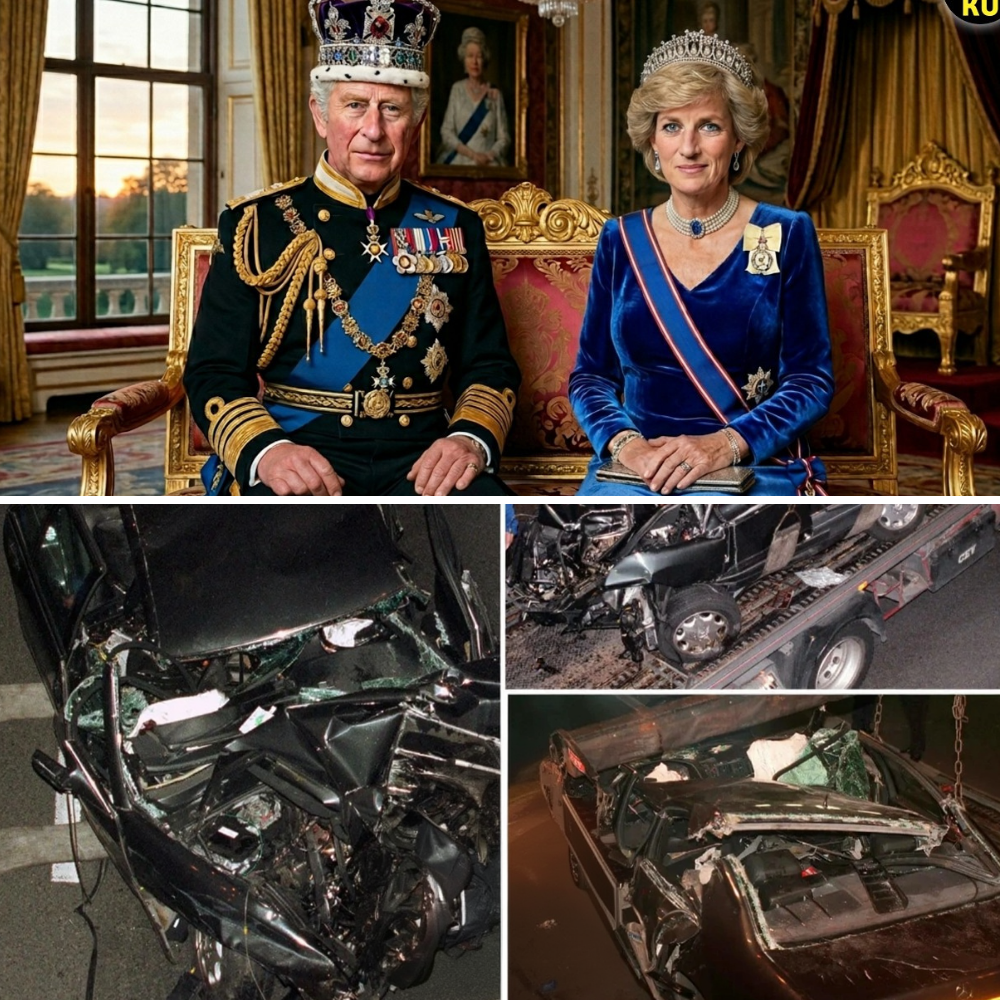
In the summer of 1981, the world watched a fairy-tale wedding unfold at St Paul’s Cathedral. Lady Diana Spencer, just 20 years old, married the heir to the British throne, Prince Charles. What if that union had never fractured? What if the couple had found a way to stay together, weathered the storms of infidelity and incompatibility, and Diana had survived beyond that tragic night in Paris in 1997? The British monarchy—and global perceptions of royalty—might look radically different today.
Without the bitter 1996 divorce, the public humiliations of the “War of the Waleses,” and the explosive Panorama interview, Diana would likely have become Queen Consort when Charles ascended the throne in 2022. At 64 years old in 2026, she would now stand beside King Charles III as Her Majesty The Queen. Her natural charisma and “People’s Princess” appeal could have softened the institution’s image at a time when public support for the monarchy has shown signs of strain. Instead of the controversies surrounding Camilla’s role, Diana’s warmth and humanitarian work—championing landmine victims, AIDS awareness, and mental health—might have kept the royal family more closely connected to ordinary people in an era of social media scrutiny and declining deference.
The couple’s two sons, William and Harry, would have grown up in a more stable (if still imperfect) parental environment. The deep rift that later played out publicly might have been avoided or at least muted. William, now Prince of Wales, could have benefited from his mother’s guidance in balancing royal duty with modern relatability, potentially accelerating the family’s adaptation to contemporary expectations. Harry’s path might also have diverged; with both parents united under the crown, the intense media pressures and sense of abandonment that contributed to his departure from royal life could have been lessened.
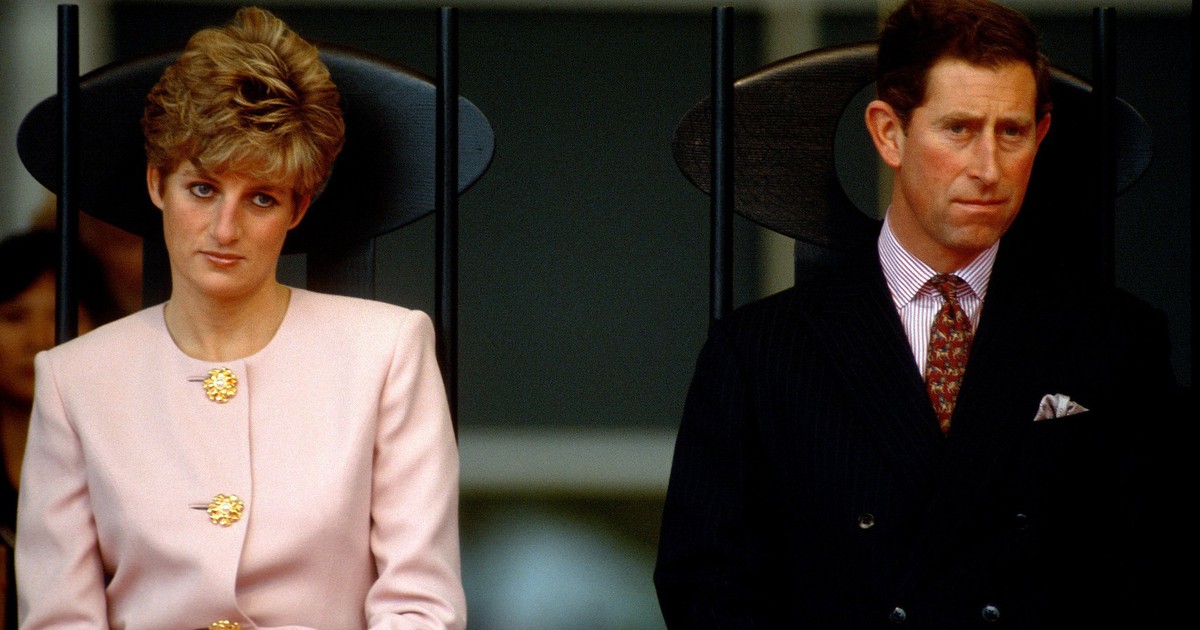
Yet challenges would have remained. Diana’s struggles with bulimia, depression, and the intense media intrusion were real. A continued marriage might have required significant personal growth from both partners, perhaps with greater private support from the Palace. Charles’s long-standing relationship with Camilla would likely have stayed hidden or been handled far more discreetly, avoiding the public damage that followed the divorce. The Queen Mother’s influence and Queen Elizabeth II’s preference for stability might have pushed the couple toward reconciliation for the sake of the institution.
In this alternate 2026, Diana’s global star power could have boosted the monarchy’s soft power. Imagine her using Instagram and public appearances to advocate for causes with the same magnetic presence that once captivated millions. The royal family might appear more compassionate and less distant, potentially shielding it from recent dips in approval ratings tied to other controversies. Public fascination with Diana has never truly faded; her living presence could have sustained higher levels of affection for the Windsors overall.
Of course, no marriage is guaranteed to succeed, and the underlying incompatibilities—differences in temperament, interests, and emotional needs—might still have created tension. But the absence of divorce and premature death would have removed two of the most damaging blows to the monarchy’s reputation in modern times. The fairy tale might not have been perfect, but its continuation could have written a very different chapter for the House of Windsor: one where the People’s Princess evolved into a beloved Queen, helping guide the royal family into a more emotionally intelligent and publicly embraced future.