The Trauma That Won’t Fade: Is Prince Harry’s Unhealed Pain Over Diana’s Death Secretly Destroying His Marriage to Meghan?
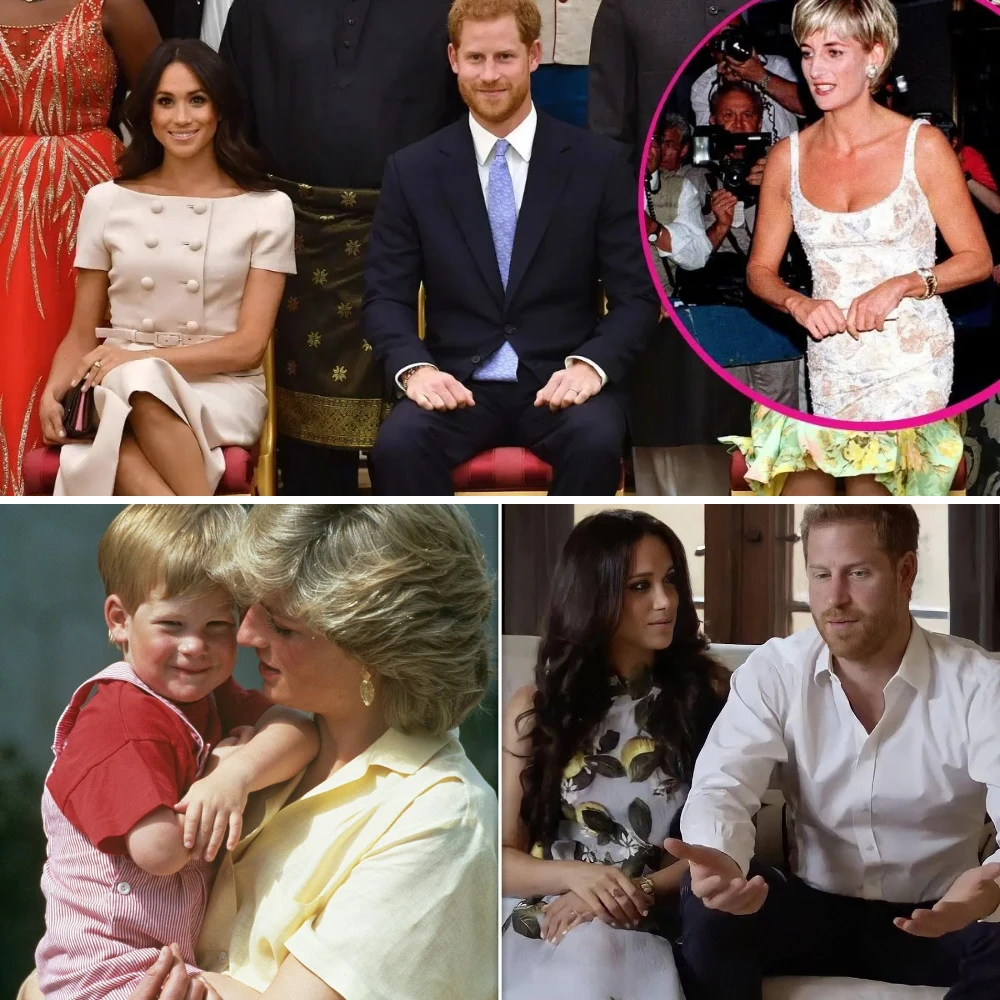
Nearly three decades after the tragic death of Princess Diana in a Paris car crash in 1997, her youngest son, Prince Harry, continues to grapple with profound grief that has shaped much of his adult life. At just 12 years old when he walked behind his mother’s coffin, Harry has openly described the event as a defining trauma, one that led to years of emotional struggles, including anxiety, anger, and a deep sense of loss.
In his 2023 memoir Spare, Harry detailed the lasting impact of losing his mother, recounting how the tragedy left him feeling isolated within the royal family. He has credited therapy with helping him process some of these emotions, yet observers note that the pain appears far from resolved. Recent commentary suggests this unresolved trauma may be influencing his current life in unexpected ways—particularly in his marriage to Meghan Markle.
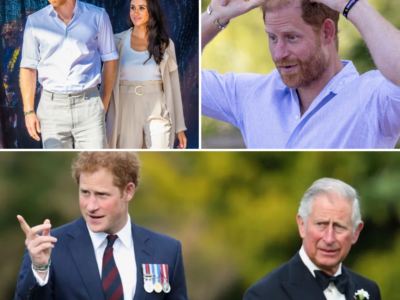
Harry and Meghan’s relationship began as a whirlwind romance, culminating in their 2018 wedding that captivated the world. The couple stepped back from senior royal duties in 2020, relocating to California to build a new life focused on privacy, philanthropy, and family. They have two children, Archie and Lilibet, and frequently emphasize the importance of mental health advocacy. Harry has spoken about wanting to break generational cycles of pain, ensuring his own children grow up with more emotional openness than he experienced.
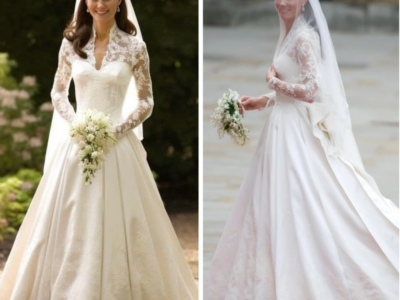
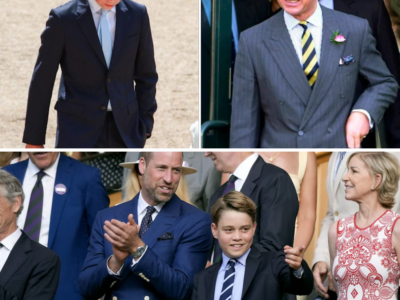
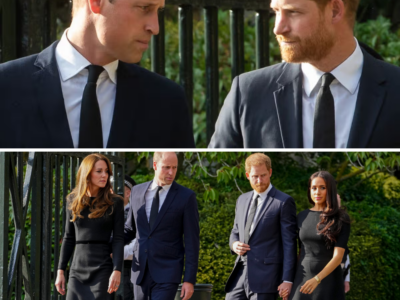
However, some analysts point to contrasts within the royal family. While Harry has expressed ongoing bitterness toward the institution and media that he associates with his mother’s hounding and death, his brother Prince William appears more grounded. William, who was 15 at the time of Diana’s passing, has also faced the loss but built a stable family life with Kate Middleton. The Waleses’ public appearances, such as at recent Wimbledon events, project unity and normalcy, supported by Kate’s warm family background.
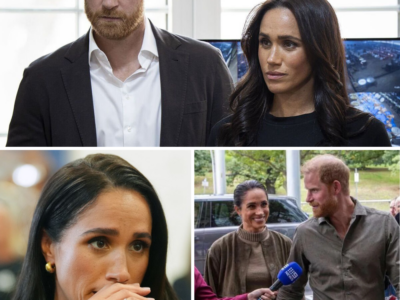
Harry’s choice of partner has been scrutinized in this context. Meghan, an actress from a fractured family dynamic, entered the royal fold as an outsider. The couple’s high-profile interviews, Netflix series, and Harry’s memoir have aired family grievances, further distancing them from the Firm. Critics argue that instead of providing the healing, supportive environment Harry might need, the marriage has amplified his focus on past wounds—through public battles with the press and a narrative of victimhood.
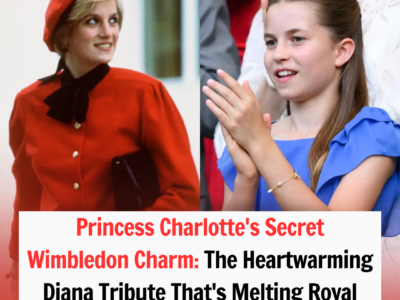
Despite this, Harry and Meghan maintain a close family unit. They have shared sweet traditions honoring Diana, such as special ways to celebrate her birthday with their children, and are reportedly planning projects tied to her legacy, including a film marking the 30th anniversary of her death in 2027.
Psychological perspectives on grief suggest that some individuals remain “stuck” in trauma, replaying it through life choices rather than fully integrating the loss. Harry’s case highlights broader questions about how childhood bereavement intersects with adult relationships and public scrutiny. While the couple continues their work on mental health initiatives, the lingering shadow of Diana’s death raises the question: Can Harry truly move forward, or will the past continue to define his path? Only time—and perhaps deeper personal reflection—will reveal if his marriage is part of the healing process or another echo of unresolved pain.