The Timeless Magic of Kate’s Wedding Dress: Why This 15-Year-Old Gown Still Steals Hearts in 2026
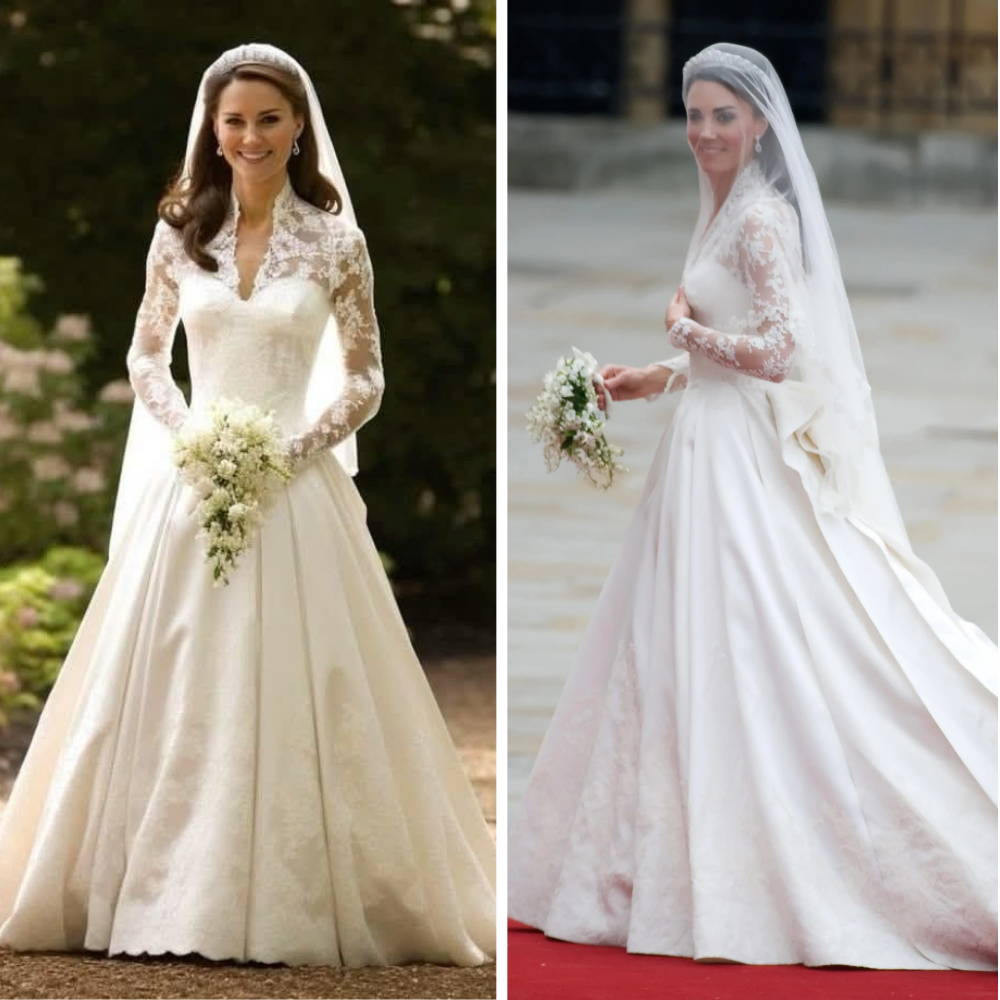
Fifteen years after Princess Catherine, then Kate Middleton, walked down the aisle of Westminster Abbey on April 29, 2011, her wedding gown continues to captivate brides, fashion enthusiasts, and royal watchers alike. Designed by Sarah Burton for Alexander McQueen, the ivory satin and lace creation remains a masterclass in understated elegance that transcends fleeting trends.
At its core, the dress embodied a perfect balance of tradition and modernity. The long-sleeved bodice featured intricate hand-appliquéd lace with floral motifs — roses for England, thistles for Scotland, daffodils for Wales, and shamrocks for Northern Ireland — subtly celebrating the United Kingdom. The Victorian-inspired corsetry gently sculpted the waist while the full organza skirt flowed into a graceful train, echoing the romantic ball gowns of the 1950s without excess. Materials were sourced entirely from Britain, underscoring a commitment to craftsmanship and national pride.
What makes this gown truly remarkable is its simplicity. In an era often dominated by dramatic embellishments, oversized trains, and theatrical silhouettes, Kate’s choice stood out through restraint. The V-neckline, padded hips, and precise tailoring created a flattering yet modest silhouette that felt both regal and accessible. Far from ostentatious, it highlighted the bride’s natural grace rather than overshadowing it. Fashion observers noted its echoes of iconic dresses like Grace Kelly’s, yet rendered in a cleaner, more contemporary way.
This minimal yet meticulous approach has proven its staying power. Even as bridal trends cycle through boho chic, sleek minimalism, and maximalist glamour, Kate’s dress consistently ranks among the most influential royal wedding gowns. Its influence appears in long lace sleeves, illusion details, and structured bodices that many modern designers reinterpret. The gown’s enduring appeal lies in how it prioritizes quality construction and thoughtful detail over showy effects — a philosophy that aligns with Catherine’s public image of poised, relatable elegance.
Today, in 2026, the dress symbolizes more than a fairy-tale moment. It reflects a broader cultural appreciation for timeless design amid fast fashion and social media trends. In a world of constant visual overload, its quiet confidence feels refreshing. Brides continue to draw inspiration from its ability to feel both historical and fresh, traditional and personal.
Beyond aesthetics, the gown represented a deeper narrative: a modern woman entering a historic institution while staying true to her values. By choosing British craftsmanship and symbolic subtlety, Catherine helped define a new chapter for royal style — one that values heritage without rigidity.
More than a decade later, the dress hasn’t dated; it has matured. Its beauty lies not in novelty but in the enduring power of thoughtful simplicity. In every pleat of the skirt and delicate thread of lace, it reminds us that true style doesn’t chase time — it defies it.