The One Thing Every Photo of Archie and Lilibet Has in Common — And Why William and Kate’s Kids Look Completely Different
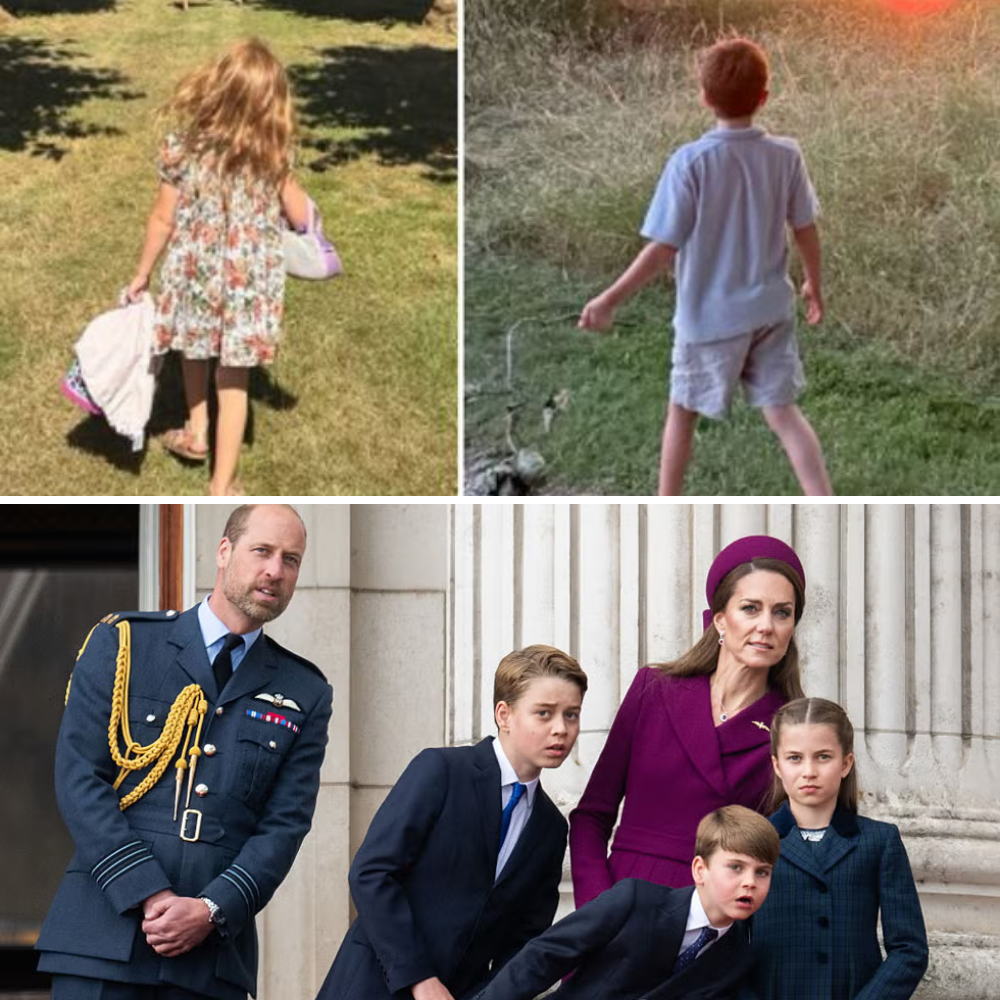
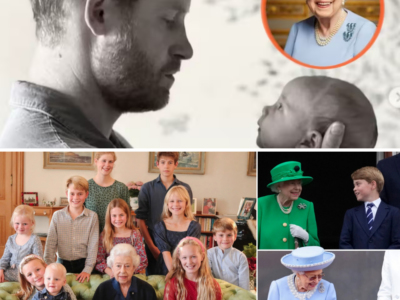
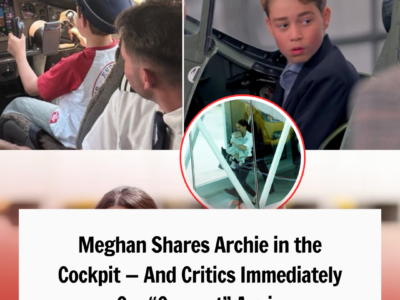
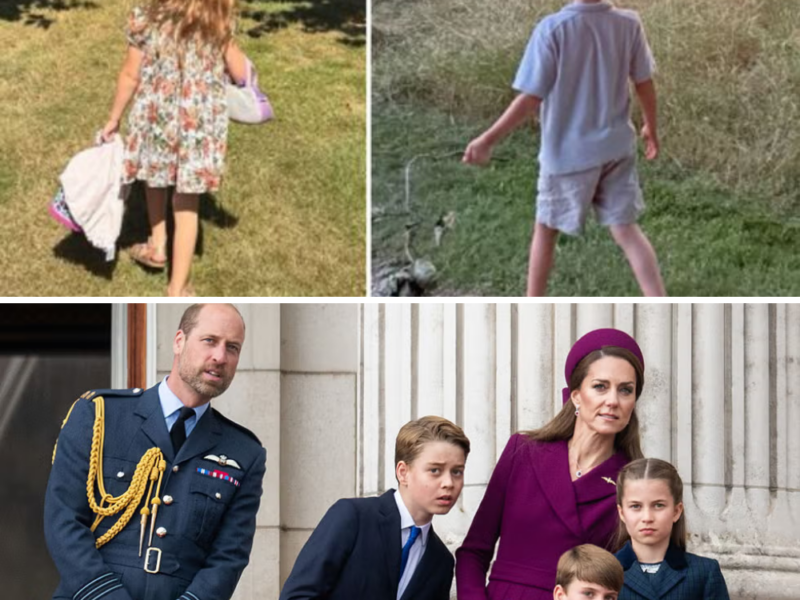
Every time Prince Harry and Meghan Markle share images of their children, Archie and Lilibet, one consistent detail stands out. The young Sussexes almost never face the camera fully. Their faces appear from the back, in partial profile, obscured by hair, turned away, or carefully angled so that clear frontal features remain hidden. Years after their births, no widely released official photograph has offered the public an unobstructed, direct look at both children’s faces together in the way many expected from a high-profile family.
This approach forms a sharp contrast with the way Prince William and Catherine, Princess of Wales, present their three children. George, Charlotte and Louis regularly appear in full-face photographs for birthdays, official events such as Trooping the Colour, holiday cards and family portraits. Their expressions, features and growth are documented openly for the public, reflecting a more traditional royal visibility balanced with carefully managed privacy.
Harry and Meghan’s pattern began early. After Archie’s birth in 2019 and Lilibet’s in 2021, the couple released only limited images. Holiday cards, Instagram posts and occasional family moments consistently prioritise the children’s backs, the tops of their heads or distant, soft-focus views. Even in more recent shares — birthday tributes, summer holiday photos from 2026, or candid home scenes — the same rule holds. Red hair, height and playful energy are visible, yet clear frontal faces remain rare or absent.
The decision appears rooted in deliberate choices about privacy and safety. Living in California after stepping back from senior royal duties, the couple has repeatedly emphasised protecting their children from intense media scrutiny. Harry has spoken about the pressures of growing up in the public eye and the risks of images circulating widely, including potential misuse through emerging technologies. Sources close to the family have noted concerns over security threats that come with high visibility. By limiting full-face exposure, the parents aim to give Archie and Lilibet a more ordinary childhood while still offering occasional glimpses of family life.
This strategy differs markedly from the Wales household. William and Catherine’s children participate in public royal events and feature in polished, face-forward photographs that balance duty with accessibility. Their images support the institution’s need for continuity and public connection. The Sussexes, operating outside that structure, have chosen greater control over their children’s digital footprint.
Observers note that the difference highlights two approaches to modern royal parenting. One maintains traditional public engagement; the other prioritises seclusion in an age of social media and instantaneous image sharing. Harry and Meghan’s method has drawn both praise for protectiveness and curiosity about the children’s appearance as they grow. Archie is now around seven and Lilibet five, ages when many children become more recognisable, yet the couple continues to withhold clear frontal portraits.
The consistency across years of releases suggests the choice is intentional rather than accidental. Whether driven primarily by safety, a desire for normalcy, or a combination of factors, the result is clear: the public knows the Sussex children exist, sees their silhouettes and red hair, but has never been given a straightforward, full-face introduction. In contrast, the Wales children’s faces are familiar. The divergence underscores how two brothers, once raised under similar public scrutiny, now raise their own families under very different rules.