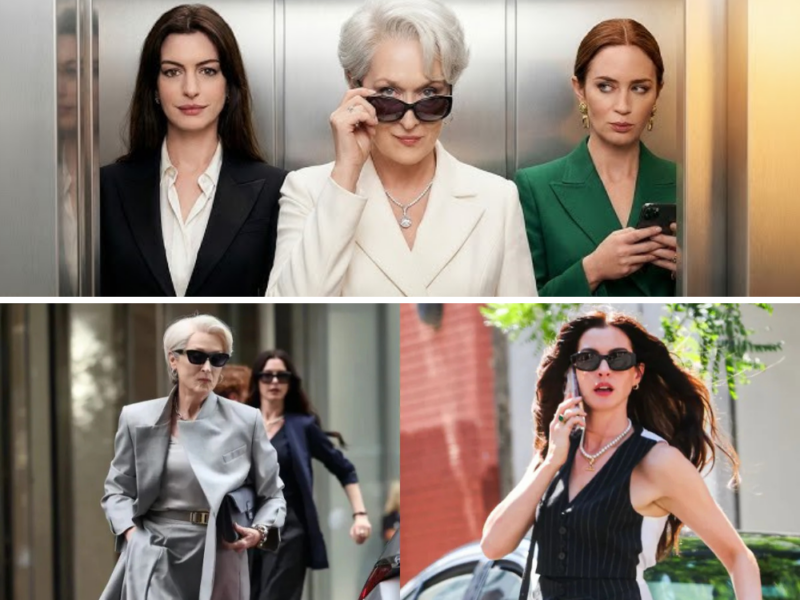
Miranda Priestly Is Back — And the Fashion World May Never Recover: The Devil Wears Prada 2 Defies 20 Years of Doubt
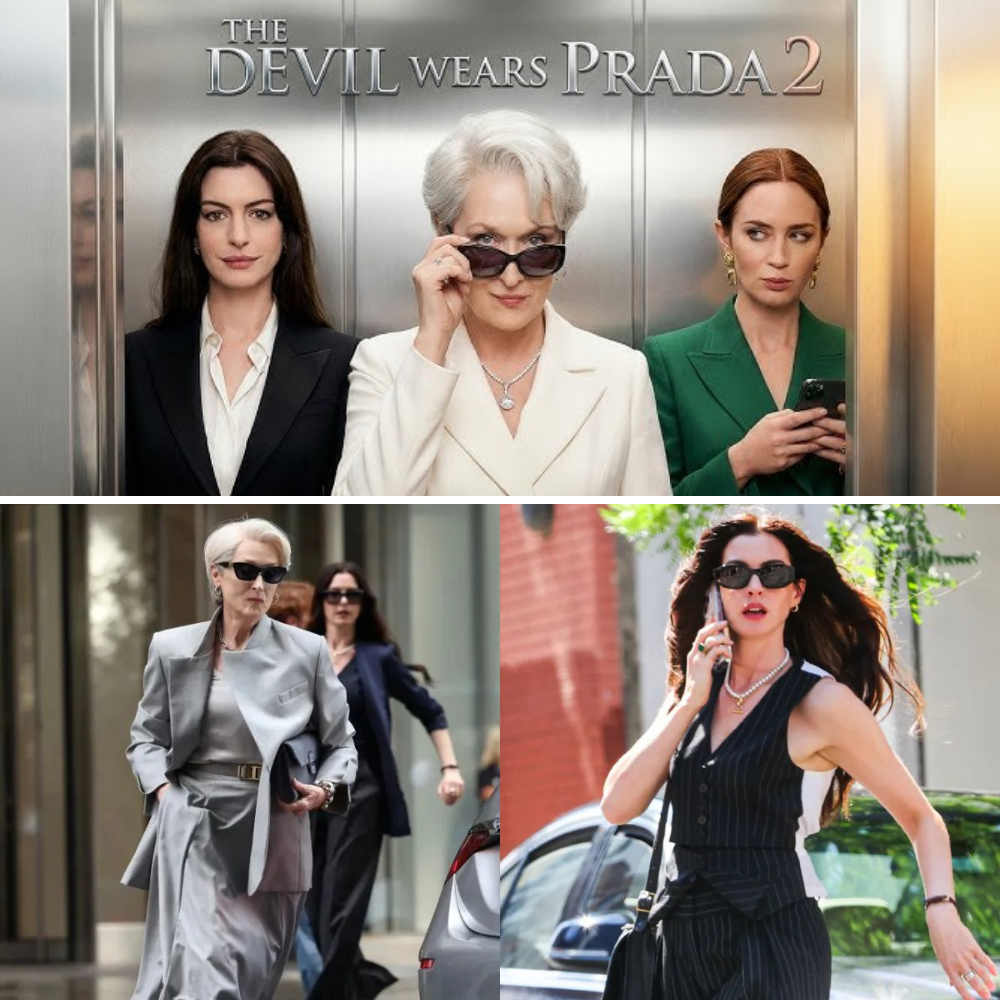
After nearly two decades of skepticism, false starts, and repeated declarations from its stars that a sequel would never happen, The Devil Wears Prada 2 has strutted into theaters with undeniable swagger. Meryl Streep returns as the ice-cold, legendary editor-in-chief Miranda Priestly, joined once more by Anne Hathaway as Andy Sachs, Emily Blunt as Emily Charlton, and Stanley Tucci as the ever-stylish Nigel. What began as a long-shot dream for fans has become one of 2026’s biggest box office surprises, blending nostalgia with sharp commentary on today’s chaotic media and fashion landscape.
The original 2006 film captured the ruthless glamour of New York’s high-fashion magazine scene through the eyes of a wide-eyed assistant. Two decades later, life has changed for everyone. Andy is now an accomplished journalist facing layoffs in a shrinking print world. When circumstances pull her back into Runway’s orbit, she confronts a magazine — and an industry — fighting for survival amid budget cuts, digital disruption, social media volatility, and the growing influence of tech billionaires. Miranda, still impeccably dressed and terrifyingly sharp, must navigate these storms while maintaining her iron grip on the Runway empire.
Director David Frankel and screenwriter Aline Brosh McKenna, both returning from the original, infuse the sequel with familiar wit and fashion-forward visuals while updating the story for modern realities. New characters, including Simone Ashley as Miranda’s ambitious new assistant, Justin Theroux as a Bezos-like tech mogul, and Lucy Liu in a key supporting role, add fresh tension. The film cleverly weaves in themes of media consolidation, AI creeping into creative fields, and the shifting power dynamics between traditional gatekeepers and new digital forces.
What makes this sequel particularly special is the long road to its existence. Streep has long avoided sequels, famously selective about her roles. Years of negotiations, changing industry conditions, and persistent fan demand finally aligned the stars. The chemistry between Streep and Hathaway still crackles, while Blunt and Tucci deliver scene-stealing moments that feel both nostalgic and evolved. Supporting turns, including reported cameos from the fashion and media worlds, ground the story in a recognizable, albeit heightened, reality.
Critics note the film’s glamorous surface hides deeper reflections on an industry in flux — print magazines downsizing, attention spans shrinking, and luxury brands rewriting the rules. Yet at its heart, The Devil Wears Prada 2 remains a stylish crowd-pleaser filled with unforgettable looks, sharp one-liners, and emotional resonance. Audiences have embraced it warmly, propelling strong opening weekend numbers and sparking endless online discussions about fashion, power, and second acts.
In an era of endless reboots, this one feels earned. It’s not just a cash-grab sequel — it’s a triumphant return that honors the original while proving some devils still wear Prada better than anyone else. Whether you’re a longtime fan or discovering the world of Runway for the first time, the film reminds us why we fell in love with these characters: because behind the couture and chaos, they’re achingly human. Gird your loins — fashion history just got a dazzling new chapter.