From Turmoil to Tranquility: How Prince George’s Eton Journey Will Be Worlds Apart from His Father’s Painful Past
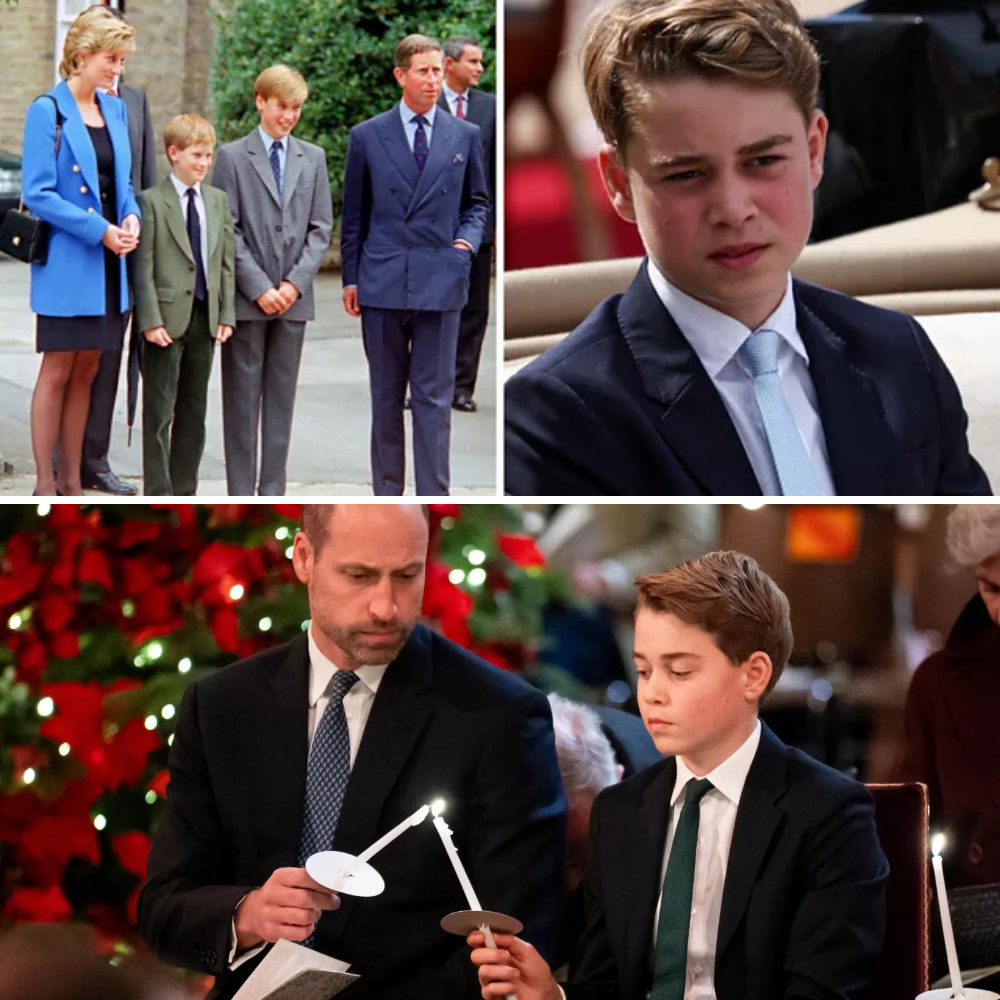
Prince George’s upcoming entry into Eton College marks a significant milestone not only for the young royal but also for the evolution of the modern British monarchy. As the 13-year-old future king prepares to follow in his father Prince William’s footsteps this September, experts highlight a profound contrast in the emotional foundations supporting their respective school experiences.
When Prince William arrived at the historic Berkshire boarding school in 1995, the institution served as both an academic haven and a sanctuary amid profound family turbulence. The young prince navigated the pressures of his parents’ highly publicized separation and eventual divorce, followed by the devastating loss of his mother, Princess Diana, just two years later. Eton provided structure, lifelong friendships, and supportive figures like his housemaster, allowing William to thrive academically and in sports despite the personal challenges. He excelled as a prefect, participated actively in games, and formed bonds that endure today.
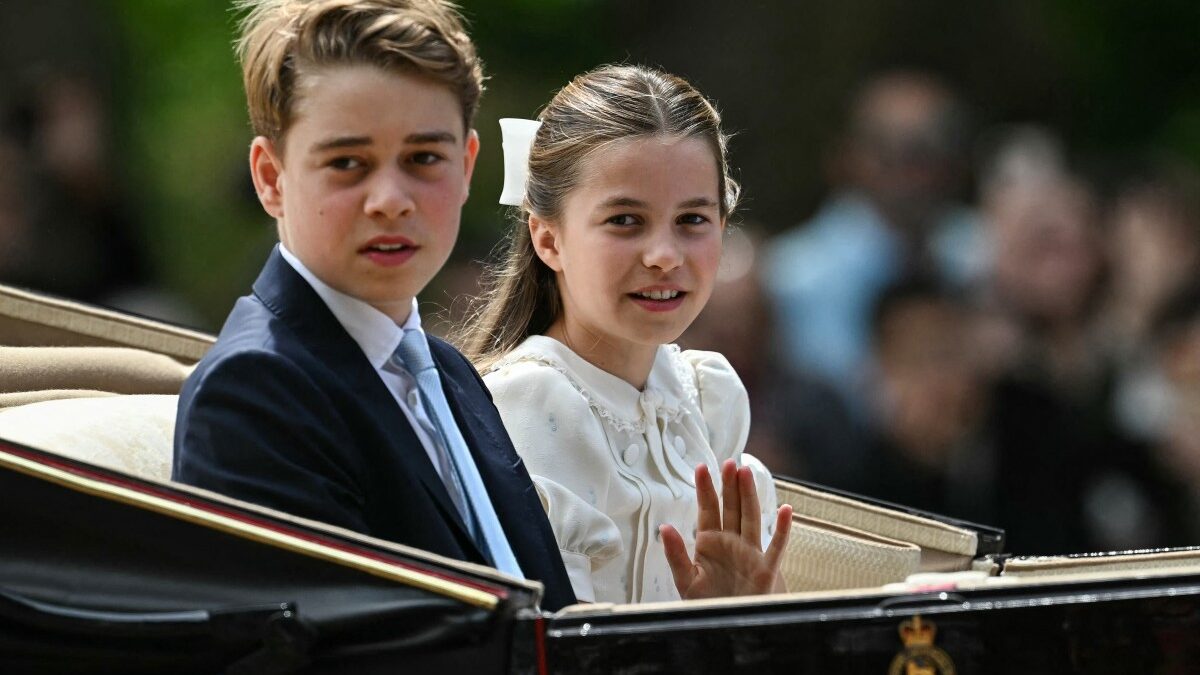)
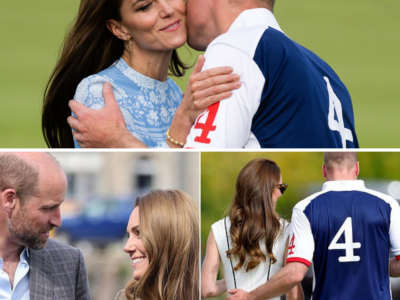
In contrast, Prince George enters Eton from a markedly stable and loving family environment. William and Catherine, the Prince and Princess of Wales, have cultivated a close-knit household at their Windsor home, offering their eldest son a strong sense of security and confidence. Royal observers note that George “absorbs” this parental assurance rather than inheriting emotional burdens. The family’s decision reflects careful consideration, with George reportedly enthusiastic about attending his father’s alma mater after passing the school’s entrance exams without special treatment.
Eton College, founded in 1440 by King Henry VI, remains one of Britain’s most prestigious institutions, known for its rigorous academics, leadership development, and influential alumni—including 20 prime ministers. Located just a short distance from the Wales family’s Forest Lodge on the Windsor estate, the school allows George to board while staying connected to home, siblings Princess Charlotte and Prince Louis (who remain at Lambrook School), and family activities. This proximity offers a balance of independence and support that was also valued during William’s time.

George, who turns 13 on July 22, has already shown interests in history, sports like football and hockey, and a cheerful public demeanor. His parents have prepared him thoughtfully, including occasional boarding at his current school to ease the transition. Recent family appearances, from Trooping the Colour to shared outings, underscore a supportive dynamic that contrasts sharply with the marital conflicts of the previous generation.
This new chapter symbolizes continuity with royal tradition while embracing modern parenting. William’s positive Eton memories—where the school became a place of growth amid adversity—likely influenced the choice, yet George’s path benefits from a unified family front. As he dons the iconic tailcoat uniform, the young prince steps into a world of opportunity, equipped not with inherited trauma but with the quiet confidence of a stable upbringing. Eton is expected to nurture his potential as a future leader, much as it did for his father, but under far brighter personal circumstances. The coming years will reveal how this foundation shapes the next generation of the British monarchy.