Australia’s Brutal Snub: 44,000 Aussies Sign Petition to Ban Taxpayer Cash for Harry & Meghan’s ‘Desperate’ Comeback
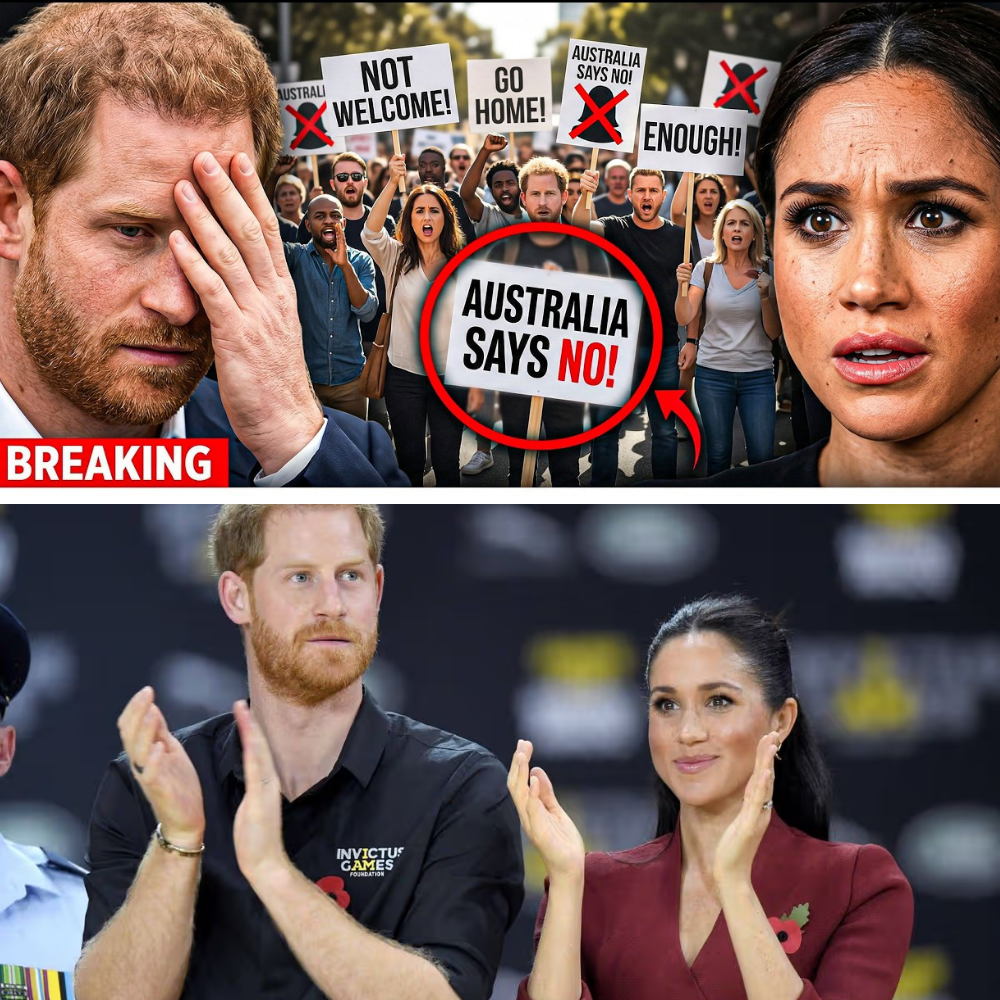
In a stark contrast to the fairy-tale welcome they received in 2018, Prince Harry and Meghan Markle are encountering fierce resistance during their upcoming private visit to Australia this April. What was once a triumphant royal tour has now morphed into a commercial venture that many locals are calling out as nothing more than a money-making scheme.
A Change.org petition demanding that no Australian taxpayer funds be used for the couple’s visit has rapidly gathered over 44,000 signatures. The campaign highlights concerns over potential security costs at a time when many households are struggling with the rising cost of living. Shockingly, no Australian politician has stepped forward to defend or endorse the trip. Both the Prime Minister’s Office and the Department of Home Affairs have made it clear they have zero involvement in organizing or supporting the itinerary, treating it strictly as a private affair.
Harry is scheduled to deliver a keynote speech at the InterEdge Psychosocial Safety Summit in Melbourne, an event focused on workplace mental health. Ticket prices originally ranged from around 1,000 to over 2,300 AUD, but organizers were reportedly forced to slash them by more than 50% just days before the event, sparking widespread speculation about poor ticket sales and last-minute desperation.
Meanwhile, Meghan is headlining the “Her Best Life” luxury women’s retreat in Sydney, billed as an exclusive girls’ weekend. Tickets for the three-day event at the InterContinental Hotel in Coogee Beach cost up to 2,699 AUD, with VIP packages reaching even higher. Attendees have raised eyebrows over the controversial policy requiring standard ticket holders to share rooms with strangers unless they pay extra for a private upgrade. Adding fuel to the fire, the organizer behind Meghan’s event, Gemma O’Neill, is facing serious financial troubles—her PR agency reportedly collapsed while owing more than 500,000 AUD in taxes and is now in liquidation.
The couple’s representatives have dismissed the public backlash and the petition as a “moot point,” responding in a tone many viewed as sarcastic and dismissive. This only intensified anger among Australians, who see the Sussexes as former royals now acting like celebrities chasing paid appearances rather than fulfilling any genuine public service.
Unlike their star-studded 2018 visit, which featured warm walkabouts and genuine public engagement, this trip lacks any such open interactions. Organizers cited exorbitant security costs as the reason for skipping traditional crowd-greeting moments, further reinforcing the perception that the Sussexes are prioritizing profit over connection.
Critics have labeled the pair “grifters” — opportunists more interested in personal branding and high-ticket events than meaningful contributions. With no official government backing and mounting public resentment, Harry and Meghan’s return to Australia risks becoming one of their most awkward and poorly received outings yet. As the dates approach, the question remains: will this commercial tour deliver the “best life” they promise, or simply expose the growing disconnect between the couple and the public they once charmed so effortlessly?