😲 Fans Accuse Disney of “Whitewashing” Moana Actress – What They Did To Her Natural Curls Has Everyone Furious!
Disney Faces Fresh Backlash Over Live-Action ‘Moana’ Teaser as Fans Accuse Studio of Cultural Insensitivity and Miscasting

Disney’s ambitious push into live-action remakes has once again ignited fierce online debate, this time centered on the upcoming adaptation of its 2016 animated hit Moana. A brief teaser released on November 17, 2025, quickly amassed millions of views but also drew sharp criticism from fans who claim the studio altered the lead actress’s appearance in ways that undermine the character’s Polynesian heritage and the film’s celebrated themes of cultural pride.
The 59-second clip, heavy on CGI and focused largely on announcing the cast, features 18-year-old Catherine Laga’aia stepping into the titular role previously voiced by Auliʻi Cravalho. Dwayne “The Rock” Johnson returns as the demigod Maui, a character he originally voiced. While the teaser aimed to build excitement for the July 10, 2026, theatrical release, many viewers zeroed in on what they perceived as a noticeable change to Laga’aia’s hair. In the animated original, Moana sports voluminous, tight curls that reflect her Pacific Islander roots. In the teaser, critics argued, the actress’s hair appeared straighter or styled into loose waves, prompting accusations of “straightening” or “whitewashing” that clash with the story’s emphasis on authenticity.
Social media erupted almost immediately. One X user, @Lfoolisz, posted side-by-side comparisons of the animated Moana and the live-action teaser, writing, “WHY THE FK did they straighten the actress’s hair if Moana doesn’t have straight hair????” The post resonated widely, with commenters lamenting the loss of the character’s “natural” texture. “Moana who was supposed to be beautiful with her natural hair, they took the FKING hair off her,” another added. A third questioned the practicality: “Her being much prettier with her natural hair, how do they think that a person who lives on an ISLAND (beach, saltwater…), doesn’t even have electricity, is going to have her hair blow-dried like that?”

The controversy taps into deeper sensitivities around representation. Moana was praised upon its 2016 release for consulting Pacific Islander cultural experts, incorporating authentic elements of Polynesian voyaging, wayfinding, and mythology. The film’s success—grossing over $680 million worldwide and earning an Oscar nomination—stemmed in part from its respectful portrayal of a strong young woman from a Pacific island community. Fans now worry the live-action version risks diluting that legacy through seemingly cosmetic choices that prioritize a more “mainstream” or polished aesthetic.
Laga’aia, daughter of New Zealand-Australian actor Jay Laga’aia, brings her own Polynesian heritage to the role. Supporters of the casting have pointed this out as a positive step, especially after Cravalho declined to reprise the part in live-action to allow another Pacific Islander actress the opportunity. Yet even some defenders expressed disappointment over the styling. Discussions on platforms like Threads and Instagram highlighted how curly hair carries cultural significance for many Pasifika and women of color, symbolizing identity and resistance to Eurocentric beauty standards. Altering it, critics say, sends the wrong message to young audiences.
This isn’t Disney’s first brush with representation controversies in its live-action slate. Earlier efforts, such as the 2025 Snow White remake starring Rachel Zegler, faced intense scrutiny over casting and script changes, ultimately contributing to what many called a box-office disappointment. The Moana teaser has drawn similar comparisons, with one film critic, Grace Randolph, likening its CGI-heavy look to “someone fed the original animated Moana into AI and said make it live action.” Viewers complained the teaser felt inauthentic, overly dark or washed-out, and more like a cash grab than a loving adaptation.
Broader fatigue with Disney’s remake strategy is evident. Since the massive success of The Lion King (2019), the studio has rolled out versions of classics like Aladdin, The Little Mermaid, and The Jungle Book. While some have performed well financially, others have struggled with audience reception amid debates over “woke” updates, fidelity to source material, and reliance on nostalgia. Moana‘s original resonated deeply because it introduced audiences to lesser-known Polynesian stories without heavy reliance on existing IP fatigue. Turning it into live-action, some argue, was unnecessary. “We DO NOT need a Moana remake! The film is great as is, why does it need a remake? Because Disney needs more money?” one commenter vented.
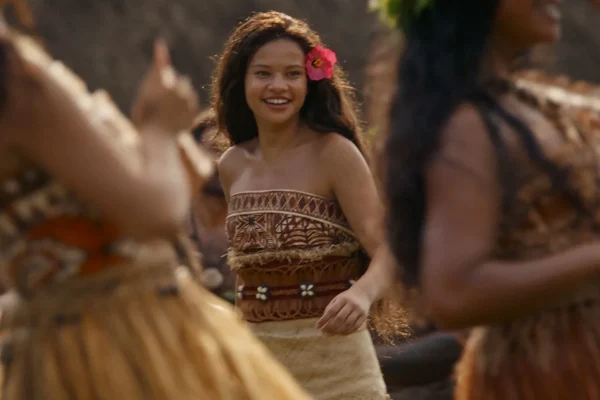
Defenders of the project emphasize the challenges of translating animation to live-action. Hair styling in films, particularly with CGI integration and practical effects in oceanic environments, involves complex decisions for lighting, movement, and continuity. Laga’aia’s natural curls might have been modified for specific scenes, but early teasers often don’t represent final footage. The full cast includes experienced Polynesian talent: John Tui as Chief Tui, Frankie Adams as Sina, and Rena Owen as Gramma Tala, suggesting an effort toward cultural grounding.
Dwayne Johnson has addressed fan skepticism in interviews, acknowledging the high expectations while defending the creative choices. The project reportedly faced production hurdles, including the 2023 SAG-AFTRA strike, and has aimed for a blend of practical and digital effects to bring the ocean, wayfinding, and mythical elements to life. Johnson, who has deep personal ties to Polynesian culture through his Samoan heritage, has described the role as meaningful.
The backlash also revives older debates. In 2016, Disney faced accusations of cultural appropriation over a Moana Maui costume that some likened to “brownface,” leading to its quick withdrawal. The studio has since invested in cultural consultation for the franchise, including for Moana 2 (2024). Yet each new project invites renewed scrutiny, especially as global audiences demand more nuanced handling of identity.
Cultural experts and academics have weighed in on similar discussions. Representation in media matters profoundly for indigenous and minority communities, where positive portrayals can combat stereotypes and foster pride. Straightening hair in this context, intentional or not, risks echoing historical pressures on people of color to conform to Western standards—pressures that movements like the natural hair movement have long fought against. At the same time, some fans caution against overinterpreting a single teaser frame, urging patience until the full film releases.
Disney has not issued an official response to the latest wave of criticism as of the latest reports. The studio’s history shows it sometimes adjusts based on feedback—such as reshoots or marketing pivots—though major creative overhauls are rare. With Moana positioned as a major 2026 release, the pressure is on to deliver visuals that honor the source while appealing to modern theatergoers accustomed to high-fidelity effects.
Beyond the hair debate, other elements of the teaser drew mixed reactions. Johnson’s Maui appearance, including his wig in some promotional materials, became a meme target, with jokes about its uncanny or unconvincing look. The CGI ocean and environments were called impressive by some but overly artificial by others, echoing complaints about past remakes feeling sterile compared to hand-drawn animation’s warmth.
The film’s screenplay, penned by Jared Bush and Dana Ledoux Miller (co-director of Moana 2), promises to expand the universe while staying true to core themes of self-discovery, environmental stewardship, and ancestral connection. Songs from the original by Lin-Manuel Miranda are expected to return alongside new material. Marketing will likely lean heavily into Polynesian representation, music, and spectacle to counter negativity.
As the July 2026 release approaches, the discourse highlights broader industry tensions. Hollywood increasingly navigates authenticity versus commercial viability, especially with diverse stories. Live-action remakes offer technological showcases but risk alienating core fans protective of beloved properties. For Moana, a story literally about finding one’s way, the path forward involves balancing fan expectations with artistic choices.
Fans on both sides continue to engage passionately online. Some have called for boycotts or redesigns, while others express optimism that the final product will shine. Polynesian voices remain central: many appreciate the casting of Laga’aia and the inclusion of Pacific talent but stress the importance of getting details like hair, tattoos, clothing, and cultural nuances right.
Disney’s track record suggests the company will monitor social sentiment closely. Whether the backlash fades or intensifies could influence not just Moana‘s box office but the future of similar projects. In an era where audiences demand both spectacle and sensitivity, the studio faces a navigation challenge as tricky as Moana’s ocean voyage.
The live-action Moana arrives at a pivotal moment for Disney, still recovering from recent underperformers and seeking to reclaim its magic. If it successfully captures the spirit of adventure, empowerment, and cultural respect that defined the original, it could silence critics. If not, the “racism” accusations and miscasting claims may become another chapter in the studio’s ongoing remake reckoning. Only time—and the full film—will tell if this voyage reaches its destination or gets lost at sea.