💕 The Dashwood sisters are back! Daisy Edgar-Jones as the sensible Elinor and Esmé Creed-Miles as the fiery Marianne star in a breathtaking new Sense and Sensibility. But this adaptation has some unexpected twists that will leave Austen fans talking
A Fresh Take on Jane Austen’s Timeless Classic: The First Look at Sense and Sensibility Starring Daisy Edgar-Jones and Esmé Creed-Miles

Jane Austen’s Sense and Sensibility has captivated readers for over two centuries with its sharp social commentary, romantic entanglements, and unforgettable Dashwood sisters. Now, a bold new cinematic adaptation is poised to bring the beloved story to modern audiences with fresh energy and star power. Starring Daisy Edgar-Jones as Elinor and Esmé Creed-Miles as Marianne, this highly anticipated film promises a visually stunning, emotionally rich retelling that stays true to Austen’s wit while speaking directly to contemporary viewers. Set for release in cinemas on October 15, the project has already generated significant buzz with its first-look images revealing a vibrant, atmospheric vision of Regency-era England.
The choice of Daisy Edgar-Jones and Esmé Creed-Miles as the Dashwood sisters feels both inspired and perfectly timed. Edgar-Jones, who rose to international fame with her nuanced performance in Normal People, brings quiet intelligence and emotional depth to Elinor, the sensible elder sister who shoulders family burdens with remarkable restraint. Creed-Miles, known for her raw intensity in projects like Hanna, injects Marianne with passionate fire and youthful idealism. Together, they embody the central tension of the novel — the balance between sense and sensibility — in a way that feels authentic and deeply relatable.
Reimagining the Dashwood Sisters for a New Generation
At its heart, Sense and Sensibility explores how two sisters navigate love, loss, and societal expectations after their father’s death leaves them financially vulnerable. Elinor represents practicality and emotional control, while Marianne embodies romanticism and spontaneity. The new adaptation appears committed to highlighting this contrast while adding layers of modern resonance.
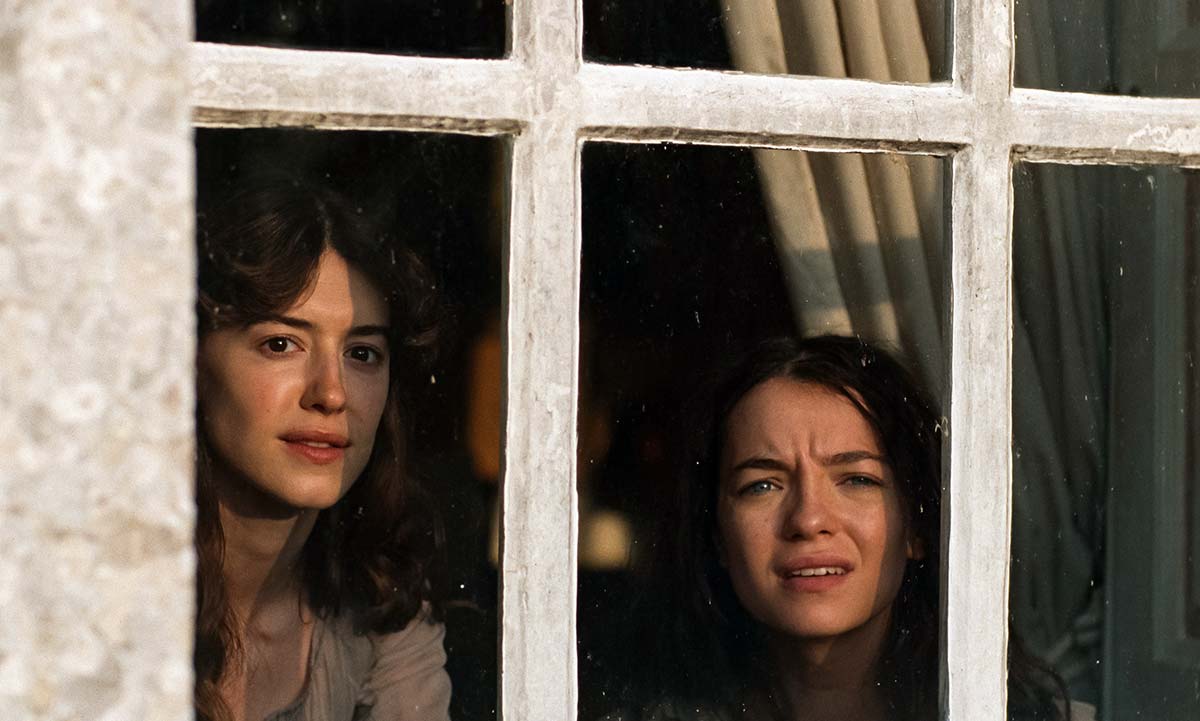
Early images show Edgar-Jones as Elinor in elegant yet understated gowns, her expression conveying quiet determination amid family hardship. Creed-Miles’ Marianne looks radiant and free-spirited, often captured in moments of dramatic emotion against lush English landscapes. The cinematography seems to favor natural light and sweeping shots that emphasize both the beauty and constraints of their world.
Director and screenwriter have reportedly aimed for a balance between fidelity to the source material and subtle contemporary touches. Costume design blends historical accuracy with a fresh aesthetic — think softer color palettes and flowing silhouettes that feel romantic without being stuffy. Production design promises meticulously recreated estates and drawing rooms that reflect the characters’ shifting social status.
A Star-Studded Supporting Cast
The film boasts an impressive ensemble to support the two leads. Expect strong performances from veteran actors bringing depth to roles like Mrs. Dashwood, Colonel Brandon, and the infamous John Willoughby. The casting choices suggest a commitment to exploring the full spectrum of Austen’s social world — from genteel poverty to aristocratic privilege.
Particular attention has been paid to the romantic arcs. Viewers can anticipate charged chemistry between Elinor and Edward Ferrars, as well as Marianne’s whirlwind connection with Willoughby and her slower-burn relationship with Colonel Brandon. The adaptation seems determined to portray these relationships with emotional honesty rather than idealized romance.
Why Sense and Sensibility Still Matters
Austen’s novel remains remarkably relevant in 2026. Themes of economic insecurity, the pressure of marriage as a financial necessity, and the different ways women express (or suppress) emotion continue to resonate. In an era of economic uncertainty and evolving gender roles, Elinor and Marianne’s struggles feel strikingly modern.
The film arrives at a perfect cultural moment. Audiences have embraced thoughtful period dramas like Bridgerton and Pride and Prejudice adaptations, but this version promises something more grounded and emotionally nuanced. By centering the sisters’ bond and individual growth, it avoids reducing the story to mere romance and instead celebrates female resilience and sisterhood.
Daisy Edgar-Jones has spoken in interviews about the challenge and joy of portraying Elinor. She describes the character as a woman who carries immense responsibility while quietly yearning for her own happiness. Creed-Miles brings similar passion to Marianne, emphasizing the character’s artistic soul and vulnerability to heartbreak.
Visuals That Promise to Enchant
The first-look images released by the studio showcase breathtaking locations across the English countryside. Golden hour shots of the Dashwood sisters walking through gardens, tense drawing-room conversations lit by candlelight, and sweeping landscape sequences all point to a visually sumptuous production. The score, blending classical pieces with subtle modern undertones, is expected to enhance the emotional journey without overpowering Austen’s dialogue.
Production designers have paid special attention to period details while creating spaces that feel lived-in and emotionally charged. The contrast between the Dashwoods’ modest cottage and the grand estates of wealthier characters visually reinforces the novel’s class commentary.
What Audiences Can Expect
Early reactions from those who have seen footage suggest this adaptation successfully balances reverence for the source material with accessibility for new viewers. Austen purists should find plenty to appreciate in the faithful dialogue and character arcs, while newcomers will be drawn in by the strong performances and beautiful cinematography.
The film appears particularly strong in its portrayal of female friendship and familial love. The bond between Elinor and Marianne serves as the emotional core, making their individual journeys all the more compelling. Romantic subplots are handled with sensitivity, avoiding modern clichés while preserving Austen’s sharp observations about human nature.
Marketing materials emphasize themes of resilience, love, and self-discovery. The tagline and poster imagery position the film as both a romantic escape and a thoughtful character study — exactly what audiences crave in prestige period dramas.
A New Classic in the Making?
With its talented leads, strong supporting cast, and clear passion for the source material, this Sense and Sensibility has the potential to become a new benchmark for Austen adaptations. Daisy Edgar-Jones and Esmé Creed-Miles bring generational talent and fresh perspectives that could help introduce the story to younger audiences while satisfying longtime fans.
As October 15 approaches, anticipation continues to build. Will this adaptation capture the wit and wisdom of Austen’s original while offering something distinctly its own? Early signs are incredibly promising. The film seems poised to deliver both sweeping romance and quiet emotional truth — the perfect combination for a memorable cinematic experience.
Whether you’re a die-hard Jane Austen enthusiast or simply looking for a beautifully crafted story about love, family, and personal growth, this new Sense and Sensibility deserves your attention. Mark your calendars for October 15 — the Dashwood sisters are returning to the big screen, and they’ve never looked more compelling.