😱 PILOTS’ ULTIMATE SACRIFICE: Plane crashes into speeding fire truck on LaGuardia runway—cockpit crushed, 2 brave men reverse thrust & die so 72 live 🔥🙏
Chaos erupted in the final seconds of landing at New York’s LaGuardia Airport on Sunday night, March 22, 2026, when an Air Canada Express regional jet slammed head-on into a speeding Port Authority fire truck, crushing the cockpit and claiming the lives of both pilots in an instant. The Bombardier CRJ-900, Flight 8646 from Montreal, had carried 72 passengers and four crew members on what should have been a routine 90-minute flight. Instead, it became a scene of unimaginable horror: the nose crumpled like paper, debris flew across the runway, and screams filled the cabin as people were hurled forward in violent jolts. Two young pilots—one identified as Antoine Forest from Quebec—sacrificed everything in their desperate attempt to brake and reverse thrust, saving dozens of lives at the cost of their own.
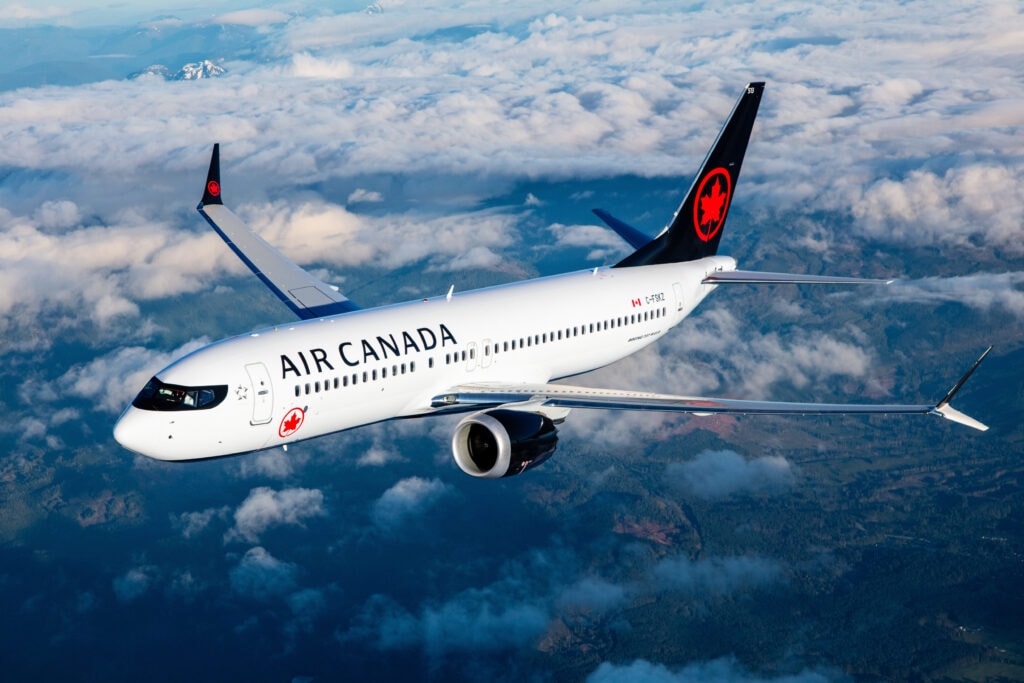
Survivors recounted the terror in raw, shaking voices the next morning. Rebecca Liquori, seated toward the rear, told The New York Times the descent felt turbulent before a rough touchdown. “The pilot was trying to brake… trying to prevent the collision. As you heard the brake, a couple seconds later it was just a very loud boom! Everybody just jolted out of their seats. People hit their heads. People were bleeding.” She praised the pilots as heroes who “did everything they can to save us and they didn’t save themselves.” Joe Capio, 29, traveling with fiancée Peyton Northrop, 27, described a smooth initial landing that turned catastrophic 30-40 seconds into rollout. “Everyone ended up jerking forward abruptly. Then there was a loud crash and a bang. The front of the plane was just warped sideways.” Capio, in the exit row, quickly removed the overwing door and helped passengers evacuate onto the wing before sliding down to the tarmac amid the smell of jet fuel and freezing night air.
The fire truck had been racing to a separate emergency: a United Airlines flight reporting a strong chemical odor in the cockpit that sickened crew members. Cleared to cross Runway 4 at taxiway Delta, the ARFF vehicle entered the active runway path just as the CRJ-900 touched down. Leaked air traffic control audio captured the controller’s calm initial instructions—“Frontier 4195, just stop there please”—quickly escalating to frantic screams: “Stop, stop, stop, stop, truck one. Stop, stop, stop.” Moments later came the heartbreaking admission: “I tried to reach out to ’em… We were dealing with an emergency earlier. I messed up.” Another voice responded, “No man you did the best you could,” underscoring the split-second pressure and chaos inside the tower.
The impact occurred around 11:40 p.m., with the jet still decelerating at 93-105 mph according to FlightRadar24 data. Relative closing speed was estimated at 24 mph—enough to obliterate the cockpit and flip the fire truck onto its side. Security camera footage showed the aircraft rolling forward as flashing emergency lights crossed its path. The plane’s nose rammed the vehicle, mangling both beyond recognition. Debris dangled grotesquely from the crushed front section, cables hung limp, and the aircraft tilted unnaturally upward. Fuel leaked across the tarmac, heightening fears of fire or explosion.
Forty-one people—mostly passengers and crew—were rushed to hospitals in Queens and Manhattan. By Monday midday, almost all had been released with cuts, bruises, broken bones, and concussions. Nine remained in critical condition with internal injuries and severe trauma. The two Port Authority officers in the truck suffered broken bones but were expected to recover. The flight attendant, Solange Tremblay, was violently ejected forward while strapped in her jump seat behind the cockpit. She sustained multiple fractures to one leg requiring surgery. Her daughter Sarah Lépine called it “a total miracle,” telling media: “I’m still trying to understand how all this happened, but she definitely has a guardian angel watching over her.”
Antoine Forest, the identified first officer, had been with Jazz Aviation for just over three years. Originally from Coteau-du-Lac, Quebec, near Montreal, he was described on his LinkedIn as a dedicated professional early in his career. FAA Administrator Bryan Bedford noted both pilots were “men at the start of their careers,” highlighting the tragedy of young lives cut short. The co-pilot’s identity remained withheld pending family notification. Their final actions—slamming brakes and engaging full reverse thrust—slowed the jet enough to prevent it from veering into the terminal or igniting, experts say. Rebecca Liquori’s words echoed across headlines: they chose passengers over themselves.
LaGuardia, one of America’s busiest and most challenging airports with short runways flanked by water, shut down completely. Operations halted until 2 p.m. Monday, reopening at reduced capacity as the wrecked jet and fire truck blocked parts of the field. Thousands of travelers were stranded, sleeping on terminal floors or rebooking frantically. Departure boards filled with cancellations rippled delays nationwide. US Secretary of Transportation Sean Duffy urged checking with airlines, warning of “residual delays and cancellations.”
The National Transportation Safety Board launched a full investigation, recovering black boxes and examining ATC communications, staffing, fatigue, and ground procedures. LaGuardia’s layout—intersecting runways, limited space—has long raised safety flags. This marked the first fatal incident there in over a decade, reigniting debates over controller shortages, automated runway lights, and better radar to prevent incursions.
Air Canada and Jazz Aviation expressed profound sorrow, dispatching support teams to families. Port Authority Executive Director Kathryn Garcia confirmed the toll: “Some were seriously injured,” while emphasizing swift emergency response. Public reaction exploded online—hashtags like #LaGuardiaCrash and #PilotHeroes trended globally. Tributes poured in for the pilots; outrage targeted systemic failures. Aviation unions demanded reforms; influencers dissected audio and footage.
For survivors, the psychological impact lingers. Every future landing may trigger flashbacks to the boom, the jolt, the fuel smell. Yet many vowed to fly again, honoring the pilots’ sacrifice. Joe Capio’s quick thinking in opening the exit and guiding evacuations saved precious time. Ordinary passengers became heroes in the aftermath, forming chains to help the injured, comforting children, and supporting strangers in the freezing night.
This collision exposed aviation’s razor-thin margins on the ground. No mechanical failure, no weather—just human error under pressure. The fire truck’s cross was authorized amid multiple emergencies; the controller’s “I messed up” haunted investigators. As the NTSB probes deeper, recommendations for more staff, fatigue rules, and tech upgrades seem inevitable.
The two pilots—Antoine Forest and his unnamed colleague—will never hear the worldwide praise. They flew thousands of hours safely, only to face the impossible in seconds. Their families grieve; their colleagues mourn. Passengers who walked away owe them everything. In the twisted wreckage on Runway 4, amid flashing lights and tearful reunions, one truth endures: heroism often arrives not with fanfare, but in the final, desperate pull of a lever when lives hang in the balance.
New York’s rhythm slowly returned Monday evening, but the scars remain. LaGuardia reopened partially, yet every takeoff now carries a quiet reminder: the sky is forgiving, the ground unforgiving. The passengers of Flight 8646 will carry the pilots’ legacy forever—two young men who, in their last moments, flew not for glory, but for every soul on board. Their story is one of tragedy, courage, and the fragile line between routine and catastrophe.