💔 “The Death of Robin Hood” Reimagines Legend as Weary Old Outlaw – Hugh Jackman’s Powerful Performance Divides Critics in Bold, Somber Twist on Classic Tale 😱
Early Reviews for “The Death of Robin Hood” Reveal Bold, Somber Reimagining That Divides Critics While Showcasing Hugh Jackman’s Powerful Performance
Early reviews for “The Death of Robin Hood” have been mixed as the highly anticipated film reimagines the legendary outlaw as an aging, weary figure haunted by decades of violence rather than the swashbuckling hero of classic tales. Starring Hugh Jackman as the titular character and directed by Michael Sarnoski, the movie takes a darker, more introspective approach to the Robin Hood mythos, exploring themes of regret, legacy, and the cost of a life lived outside the law. While some critics celebrate its emotional depth and stunning visuals, others find the slower pacing and departure from traditional elements make it a challenging watch for fans expecting the classic adventurous spirit.
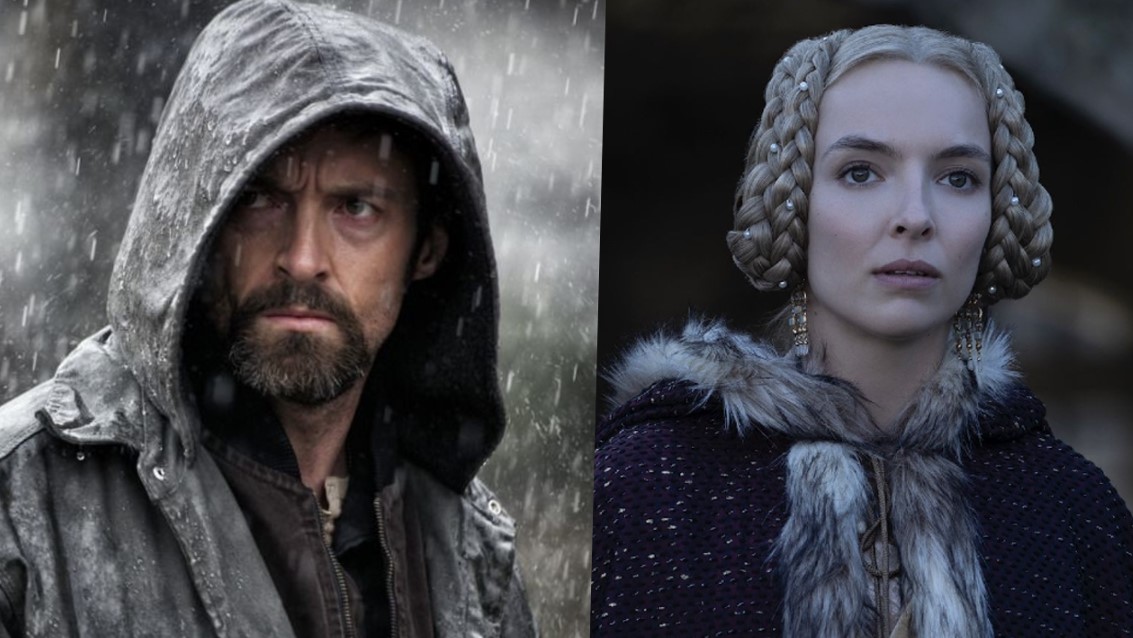
Hugh Jackman’s performance as the aging Robin Hood has been widely praised across early reviews. The actor brings a raw vulnerability and physical intensity to the role, portraying a man burdened by his past actions and questioning the impact of his legendary status. Jackman’s ability to convey both the physical toll of years of outlaw life and the emotional weight of his choices has been highlighted as one of the film’s strongest elements. Critics note how he transforms the iconic character into a complex, flawed human being rather than a larger-than-life hero, adding layers of depth that make the story more grounded and relatable.
Director Michael Sarnoski, known for his thoughtful storytelling, brings a somber and atmospheric tone to the film. The movie’s visuals are breathtaking, with lush forest settings and brutal action sequences that feel visceral and realistic. The cinematography captures both the beauty of medieval England and the harsh realities of life as an outlaw, creating a world that feels lived-in and authentic. However, this darker approach has divided audiences, with some appreciating the fresh perspective while others miss the lighthearted adventure and clear moral lines of traditional Robin Hood stories.

The film’s slower pacing has been a point of contention among reviewers. While it allows for deeper character exploration and emotional moments, some feel it drags in places, making the runtime feel longer than necessary. The absence of the classic Robin Hood elements—such as the merry men’s camaraderie and swashbuckling escapes—has left some fans disappointed. Yet this deliberate choice to subvert expectations is what makes the film stand out as a bold reimagining rather than another retelling of the familiar legend.
Early audience reactions mirror the critical divide. Many viewers praise the film’s emotional depth and Jackman’s nuanced performance, finding the story’s exploration of aging, regret, and legacy thought-provoking. Others express disappointment at the lack of the fun, adventurous spirit they associate with Robin Hood stories. This split in reception highlights how the film challenges traditional expectations while offering something more introspective and mature.
The supporting cast also receives strong praise, with several actors delivering memorable performances that add richness to the story. The film’s action sequences are described as brutal and realistic, contrasting with the more stylized fights of previous adaptations. This grounded approach enhances the film’s themes of violence and its consequences, making the story feel more impactful and relevant to contemporary audiences.
“The Death of Robin Hood” represents a significant departure from previous cinematic interpretations of the character. By focusing on an older Robin reflecting on his life choices, the film explores what happens when the legend grows old and the myth begins to crumble. This fresh perspective allows for deeper examination of heroism, morality, and the personal cost of living as an outlaw. The movie’s somber tone and emotional complexity make it a more mature take on the material that may resonate with adult audiences seeking substance over spectacle.
Michael Sarnoski’s direction brings a distinctive vision to the project. His attention to detail and focus on character development create a film that feels both epic and intimate. The cinematography captures the beauty and brutality of the English countryside, while the score enhances the film’s emotional journey. These elements work together to create an immersive experience that stays with viewers long after the credits roll.
The mixed reviews reflect the challenges of reimagining a beloved cultural icon. While some appreciate the bold new direction, others prefer the more traditional heroic narrative. This divide is common when familiar stories are given modern, darker interpretations. “The Death of Robin Hood” joins a growing list of films that seek to deconstruct rather than celebrate their source material, offering fresh perspectives on classic tales.
Early box office projections suggest the film will perform well thanks to Jackman’s star power and the enduring popularity of the Robin Hood legend. The movie’s unique approach may attract audiences looking for something different from typical action-adventure fare. Its success will likely depend on how well it balances its somber tone with enough excitement to keep viewers engaged.
The film’s exploration of aging and legacy adds emotional weight that elevates it beyond a simple action movie. Robin’s journey from legendary outlaw to weary old man provides opportunities for reflection on the nature of heroism and the passage of time. These themes resonate with audiences who appreciate stories that go beyond surface-level entertainment to examine deeper human experiences.
As more reviews and audience reactions come in, “The Death of Robin Hood” continues to spark conversations about how we reinterpret classic stories for modern times. The film’s willingness to challenge expectations and present a more complex version of Robin Hood demonstrates creative courage that many appreciate even when they don’t fully connect with the final product.
Hugh Jackman’s commitment to the role is evident in both his physical transformation and emotional performance. His portrayal of an aging Robin Hood struggling with his past actions brings a level of authenticity and depth that elevates the entire film. The supporting cast complements his performance, creating a rich ensemble that serves the story well.
The movie’s visuals and action sequences have been consistently praised. The brutal, realistic fight scenes contrast with the more stylized approach of previous adaptations, making the violence feel more consequential and grounded. The cinematography captures both the beauty of the English countryside and the harsh realities of outlaw life, creating a visually stunning experience.
“The Death of Robin Hood” offers a thought-provoking take on a legendary character that challenges audiences to see beyond the myth. While not everyone will embrace its darker tone, those who do will find a film rich with emotional depth and compelling performances. As the movie continues its theatrical run, it will be interesting to see how audiences respond to this bold reimagining of a classic tale.
The film’s mixed reception reflects the challenges of updating beloved stories for contemporary audiences. By choosing a more somber approach, “The Death of Robin Hood” takes risks that may not appeal to all viewers but offer something fresh for those seeking a different perspective on the legendary outlaw. Hugh Jackman’s powerful performance and the film’s stunning visuals provide enough strengths to make it a noteworthy addition to the Robin Hood canon.
As discussions continue both online and in theaters, “The Death of Robin Hood” proves that even centuries-old legends can be reexamined and reimagined in meaningful ways. The film’s exploration of aging, regret, and legacy adds depth to a character who has captivated audiences for generations. Whether audiences embrace this darker vision or prefer more traditional interpretations, the movie succeeds in sparking conversation and offering a fresh take on a timeless story.