🔥 “How Euphoria Season 3 Completely Changed Menswear: Jacob Elordi’s New Looks Are Pure Fire! 😱 What’s Behind the Costumes?
Natasha Newman-Thomas knew from the very first conversation with Sam Levinson that dressing the characters of Euphoria Season 3 would mean tearing up the rulebook. After two seasons of iconic high-school chaos—hoodies, crop tops, and glitter-soaked meltdowns that defined Gen Z style for an entire generation—the show had leapt forward five years. The kids of East Highland were no longer trapped in lockers and locker rooms. They were adults navigating drug dens tucked into desert scrub, gleaming McMansions built on shaky foundations, Hollywood backlots buzzing with faded glamour, and the raw edges of the U.S.-Mexico border. Every new world demanded its own visual language, and Newman-Thomas, stepping in after Emmy-winning designer Heidi Bivens, delivered something bolder, more layered, and unapologetically masculine in its storytelling power.
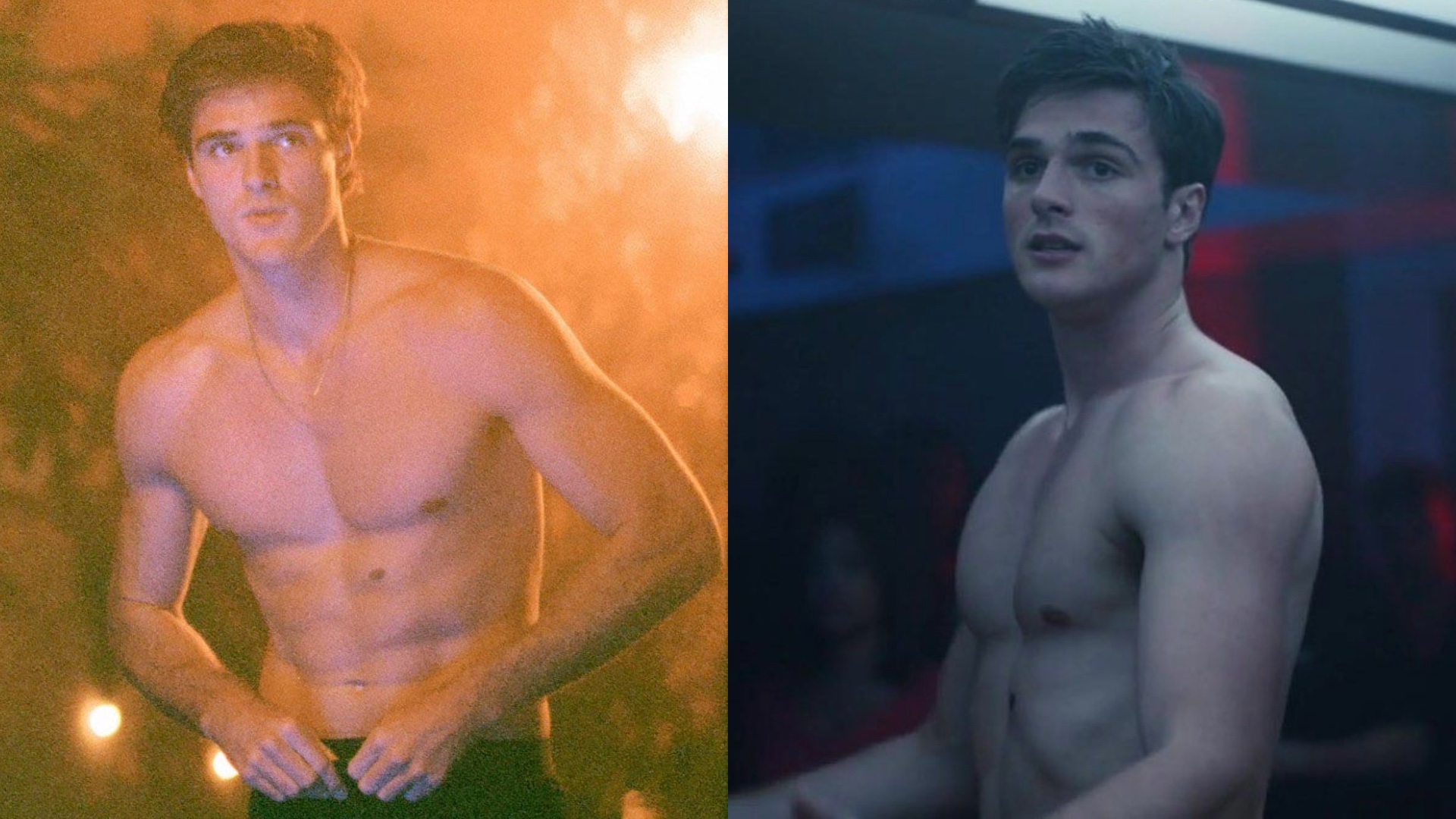
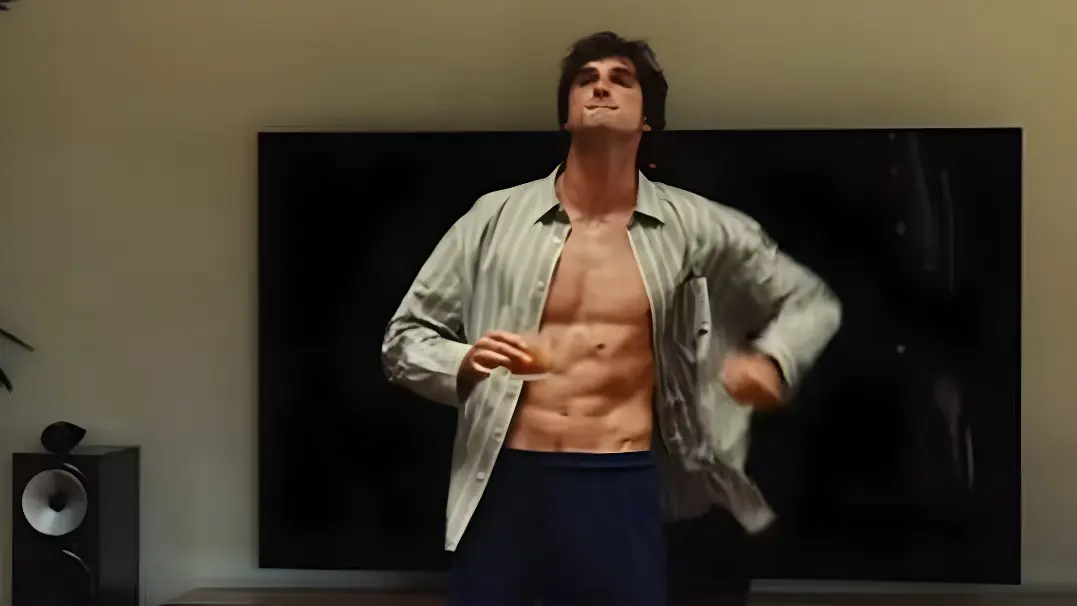
The result is a season where menswear doesn’t just clothe the characters—it exposes their fractures, ambitions, and carefully curated lies. Nowhere is this more evident than in Jacob Elordi’s Nate Jacobs, who has traded his Season 1 jeans-and-T-shirt uniform for head-to-toe Bottega Veneta. The shift is deliberate, performative, and dripping with subtext. In one trailer shot that instantly went viral, Nate strides across a dusty construction site in a leather flannel shirt and straight-leg trousers from Matthieu Blazy’s spring 2023 collection—the exact look Kate Moss wore on the runway. It costs thousands, yet Nate wears it like armor while pretending to be a hardworking contractor building luxury senior-living communities for wealthy investors. Newman-Thomas pitched the Italian luxury label directly to Elordi, and the actor was immediately on board. “I love all this Bottega for you because it feels like such a performance,” she told him. The two were on the same page instantly.
That performance runs deeper than surface-level flexing. Nate is faking success at every level: financial, emotional, even romantic. He hides his secrets from Cassie, from his father, and from himself. The clothes telegraph that deception. A Harry Winston ring glints on his finger. A custom Bottega Veneta wedding tux—tailored with notes from Newman-Thomas—makes Elordi feel “like Cary Grant,” so much so that the actor reportedly refused to take it off after filming wrapped. Black T-shirts, sweaters, and Golden Goose sneakers complete the look, all chosen to signal a man who believes he can buy his way into the life he thinks he deserves. “I don’t think the character of Nate would be spending money on Bottega or a Harry Winston ring or any of these things if he didn’t truly believe he was going to be able to earn that money back,” Newman-Thomas explained. “He’s faking it ’til he makes it and he’s just putting on a show. And we were just really trying to tell that story through the costumes.”
This isn’t the first time Euphoria has used fashion as psychological warfare, but Season 3 elevates it. Previous seasons lived in the insular pressure cooker of high school, where a single wrong hoodie could spark a meltdown. Now the canvas is wider, the stakes higher, and the clothing reflects fractured adult identities trying to survive in competing universes. Newman-Thomas, who previously collaborated with Levinson on The Idol, brought a fresh eye shaped by music-video aesthetics, personal history, and a love for building distinct visual ecosystems. She approached the job with mood boards, long conversations, and an openness to improvisation—skills honed while dressing The Weeknd and Lily-Rose Depp. The result feels both timeless and urgent, a far cry from trend-chasing.
Take Rue Bennett, played by Zendaya. Her wardrobe has always been a quiet rebellion, but Season 3 pushes it into full nomadic masculinity. Emotionally stagnant yet physically restless, Rue drifts between worlds and collects pieces the way others collect regrets. Vintage Levi’s—sourced with support from the brand itself—form the backbone. When she falls in with Alamo’s crew, subtle Westernwear creeps in: rugged shirts and boots that feel lived-in rather than costume-y. Working with Laurie shifts her toward utilitarian workwear. One standout moment has her pulling on a shirt from the lost-and-found at the Silver Slipper nightclub, treating it like armor against the chaos. “We wanted her to feel emotionally stagnant, but also physically nomadic,” Newman-Thomas said. “She’s traveling through all these different worlds and collecting pieces that she somehow Rue-ifies and makes them feel like her own… She’s not thinking about buying clothes or her style, but she manages to just make it look really cool in an effortless way, but it is mostly menswear.” The effect is magnetic: Zendaya’s Rue looks like she could disappear into any crowd yet somehow dominates every frame.
New characters expand the menswear palette even further, each one anchoring a rival criminal enterprise with its own distinct silhouette. Adewale Akinnuoye-Agbaje’s Alamo is larger than life in every sense, and Newman-Thomas responded with custom everything. Portugal-based Ernest W. Baker crafted several tailored suits after receiving detailed measurements, sketches, and fabric swatches. The crowning glory? A pair of custom green cowboy boots designed by Newman-Thomas herself, complete with a scorpion boot tip she commissioned. The Western edge ties Alamo to the border-world grit, blending power with menace. His right-hand man, G—played by Marshawn Lynch—leans into polished matching sets that scream California cool. In Episode 1, he wears Born X Raised, a deliberate nod to Oakland roots and authentic West Coast identity.
Then there’s Kidd, portrayed by Asante Blackk, whose ’90s-throwback hip-hop aesthetic pops against the desert backdrop. Lu’u Dan pieces give him a sharp, nostalgic swagger that contrasts with the more buttoned-up looks around him. Darrell Britt-Gibson’s Bishop brings a detective noir vibe: trousers paired with suspenders, layered under a trench coat that Newman-Thomas designed as a visual question mark. “What is he hiding? What is he protecting?” The trench becomes a character in its own right, its epic arc unfolding across the season. Bolo ties pull him into Alamo’s Western orbit while keeping the overall feel suspicious and shadowy.
James Landry Hébert’s Harley dives into contemporary Western with a twist. The actor initially imagined heritage brands and century-old Americana, but Newman-Thomas steered him toward something rawer. Harley is a man who went to jail at 16, fell in love with metal music, and never outgrew his Affliction shirts. The result is shirtless layers, distressed denim, and an unapologetic embrace of early-2000s edginess that feels both ridiculous and dangerously authentic. “This guy probably went to jail when he was 16 and he was obsessed with metal music and loved wearing Affliction because that’s what was cool then, and he got out and he still thinks Affliction is cool,” Newman-Thomas recalled. Hébert doubled down, and the on-screen chemistry crackles.
Even smaller details build the world. Vintage Levi’s appear throughout. Paly and Cherry eyewear add Hollywood polish. Jacques Marie Mage glasses lend an intellectual edge to certain scenes. Ernest Baker, Affliction, Born X Raised, and Lu’u Dan aren’t just labels—they’re narrative tools. Newman-Thomas collaborated across continents, shipping fabrics and sketches while keeping the overall aesthetic grounded in Southern California’s contradictions: glamour next to grit, performance next to survival.
The time jump gave Newman-Thomas freedom that earlier seasons lacked. High-school fashion is reactive and tribal; adult fashion in Euphoria is strategic and self-mythologizing. Characters no longer dress to fit in—they dress to convince themselves and everyone else that they belong somewhere. This evolution mirrors real cultural shifts. Post-pandemic audiences crave clothing that tells stories rather than chasing fleeting trends. Euphoria has always influenced runways—Balenciaga, Miu Miu, and countless streetwear drops have cited the show—but Season 3 feels more mature, more intentional. Bottega Veneta saw a sales spike after the trailer dropped. Custom scorpion boots sparked custom-order inquiries. Fans dissected every bolo tie and leather flannel on social media, turning costume choices into cultural events.
Newman-Thomas’s approach also honors the show’s core themes: identity as performance, masculinity as mask, vulnerability hidden behind luxury or grit. Nate’s Bottega isn’t just expensive—it’s a lie he wears on his sleeve. Rue’s appropriated menswear isn’t about gender—it’s about survival and reinvention. Alamo’s custom suits project untouchable power while hinting at the violence beneath. Every stitch serves the story.
Behind the camera, the process was collaborative and intense. Newman-Thomas built extensive mood boards, spent hours in fittings, and left room for actors to improvise within the looks. Elordi’s connection to Bottega Veneta in real life—where he serves as a global ambassador—added meta-texture that the designer leaned into rather than fought. The custom wedding tux became a moment of unexpected intimacy between actor and character. Elordi felt transformed; the audience feels the weight of Nate’s delusion.
As Season 3 unfolds, the fashion continues to surprise. Drug-den grit clashes with McMansion polish. Hollywood backlots introduce faded vintage glamour. Border culture infuses raw authenticity. The result is a visual feast that rewards rewatching. Viewers don’t just see the clothes—they feel the tension, the longing, the carefully constructed facades crumbling under pressure.
Euphoria has always been more than a show about teenagers. It’s a mirror to how we perform for one another in an age of constant visibility. Season 3’s menswear reminds us that the costumes we choose—whether Bottega leather or Affliction graphics—are never neutral. They are declarations, deceptions, and sometimes desperate cries for understanding. Natasha Newman-Thomas didn’t just dress the cast; she gave each character a new language to lie, love, and unravel in.
The internet is already obsessed. Memes of Nate’s leather flannel have flooded timelines. TikTok recreations of Rue’s layered looks are trending. Fashion insiders pore over every custom detail, predicting which pieces will sell out next. But beyond the hype lies something more profound: a television series that uses clothing not as decoration but as destiny. In a world where image is currency, Euphoria Season 3 shows us the hidden cost of every outfit.
Newman-Thomas has set a new bar for costume design in prestige television. She proved that menswear can carry emotional weight equal to any monologue. She reminded us that the right pair of boots or the perfect trench coat can reveal more about a character than pages of dialogue. And she did it while making every frame look impossibly cool.
As the season continues to drop episodes, one thing is certain: the clothes will keep talking long after the credits roll. They will spark debates, inspire trends, and force viewers to look closer—at the characters, at themselves, and at the stories we tell through what we wear. In the glittering, gritty universe of Euphoria, fashion isn’t background. It’s the main character.