💔 Major MCU Shift Alert: No Scarlet Witch, No Black Widow In Russo Brothers’ Avengers: Doomsday — This Changes EVERYTHING About The Team Dynamic 😲
The lights dim in theaters worldwide on December 18, 2026, and a new era of the Marvel Cinematic Universe dawns with Avengers: Doomsday. Directed once again by the Russo Brothers, the film promises an epic clash against the most formidable villain yet: Robert Downey Jr. reimagined as the iron-fisted Doctor Victor von Doom. But beneath the spectacle of multiversal heroes colliding — Avengers, Fantastic Four, Wakandans, and even the original X-Men from alternate realities — lies a quieter, more profound shift that has fans buzzing with both excitement and unease.
Avengers: Doomsday will be the first Russo Brothers MCU film without two of the franchise’s most emotionally resonant female powerhouses: Wanda Maximoff, the Scarlet Witch, and Natasha Romanoff, the Black Widow. This absence marks a deliberate departure from the Russo era that defined the Infinity Saga’s emotional peaks in Captain America: Civil War, Avengers: Infinity War, and Avengers: Endgame. It could fundamentally reshape the story’s heart, its interpersonal dynamics, and the very soul of what it means to be an Avenger in a post-Endgame, multiverse-spanning world.
For over a decade, Wanda and Natasha anchored the MCU’s exploration of grief, redemption, sacrifice, and the heavy cost of power. Wanda’s chaotic magic and maternal fury brought raw vulnerability and terrifying strength, while Natasha’s grounded spy-craft and quiet heroism offered moral complexity and sisterhood amid the chaos of gods and aliens. Their presence in previous Russo films wasn’t just about action — it was about emotional stakes. Removing both simultaneously opens the door to a very different Avengers team dynamic, one that might feel leaner, darker, or more ensemble-driven, but undeniably altered.
The Russo Legacy: Building Teams Through Heartbreak
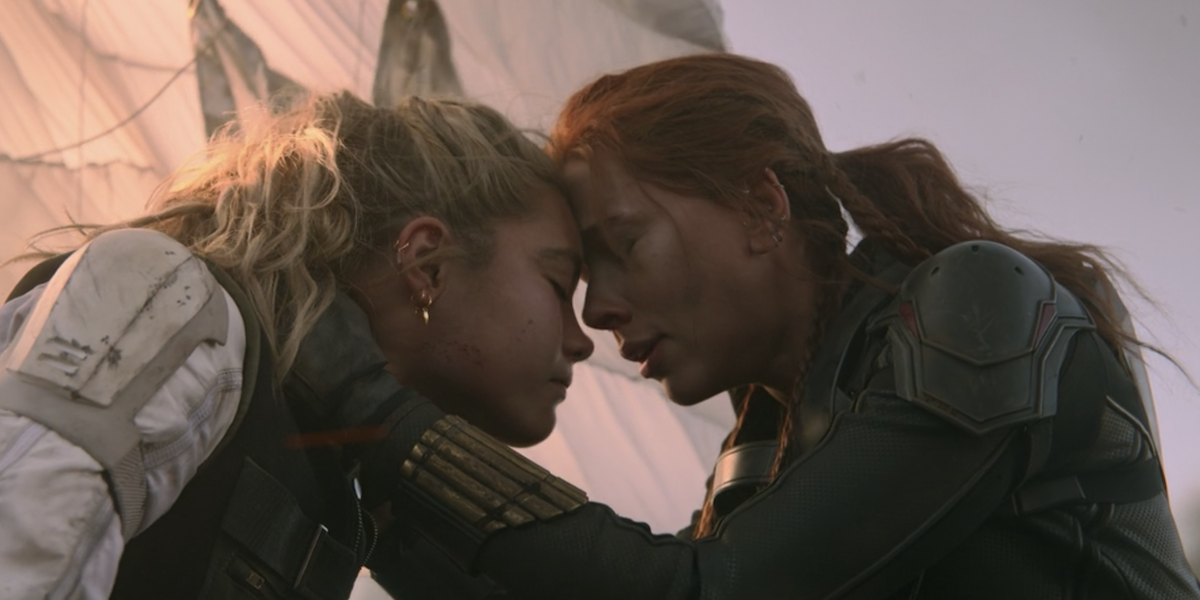
When Anthony and Joe Russo took the helm for Captain America: Civil War in 2016, they inherited a sprawling cast and turned it into a character-driven drama about fractured loyalties. Natasha Romanoff stood at the center of the ideological divide, her friendship with Steve Rogers tested against her pragmatic loyalty to the accords. Her quiet moments — the tense airport standoff, the heartfelt conversations with Clint Barton — grounded the spectacle. Wanda Maximoff, still relatively new to the team, represented the dangerous potential of unchecked power, her grief over Pietro fueling both heroism and instability.
By Infinity War, the Russos elevated both women to pivotal roles. Natasha’s sacrifice on Vormir in Endgame became one of the saga’s most gut-wrenching beats, a selfless act that underscored her growth from KGB assassin to hero willing to trade her life for the soul stone. Wanda, meanwhile, delivered some of the most visually stunning and emotionally devastating sequences: her rage-fueled assault on Thanos after Vision’s death, her “you took everything from me” confrontation that briefly turned the tide. These moments weren’t side plots — they were the emotional core that made the snap feel personal.
The Russo Brothers have always excelled at weaving intimate character arcs into cosmic battles. Their films thrived on relationships: Steve and Bucky’s brotherhood, Tony’s redemption, Thor’s depression, Natasha’s quiet strength, Wanda’s spiraling grief. Without these two iconic women, Doomsday faces the challenge of filling that emotional vacuum while introducing or reintroducing dozens of heroes from across the multiverse.
Wanda Maximoff’s Absence: Losing the MCU’s Most Powerful Nexus Being
Elizabeth Olsen’s Scarlet Witch has been one of the MCU’s most compelling and tragic figures. From her introduction as a Sokovian experiment in Age of Ultron to her evolution through WandaVision and Doctor Strange in the Multiverse of Madness, Wanda embodied the dangers of unchecked grief and the seductive pull of chaos magic. Her presumed death after the events of Multiverse of Madness — where she sacrificed herself (or appeared to) in pursuit of her children — leaves a massive power gap in the roster.
Wanda wasn’t just powerful; she was narratively essential. Her chaos magic could rewrite reality, create life, and destroy universes. In the comics, Doom has long feared Scarlet Witch as one of the few beings capable of truly threatening him. Her absence in Doomsday means the team must confront Victor von Doom without that level of mystical counterbalance. How do mere mortals, enhanced humans, and even the Fantastic Four stand against a Doom who wields sorcery, technology, and multiversal ambition?
This shift forces the story to lean harder on other magical or reality-bending characters. Benedict Cumberbatch’s Doctor Strange is expected to play a central role, perhaps grappling with the consequences of Wanda’s actions or the lingering effects of the Darkhold. The inclusion of the X-Men from another universe introduces mutant powers that could fill some of the mystical void, but they bring their own chaos — ideological divides, personal traumas, and a very different flavor of “otherness.”
Without Wanda, the emotional core of grief and motherhood that defined so much of Phases 4 and 5 may evolve into something broader: collective loss across universes, the fear of losing entire realities rather than individual loved ones. It could make Doomsday feel more apocalyptic and less intimate, or it could push surviving characters like Captain Marvel, She-Hulk (if she appears), or even Yelena Belova into more prominent emotional roles. The dynamic between male leads — Robert Downey Jr.’s menacing Doom, Chris Evans’ returning Steve Rogers (in some capacity), Mark Ruffalo’s Hulk, or the new Fantastic Four — will need to carry heavier dramatic weight.
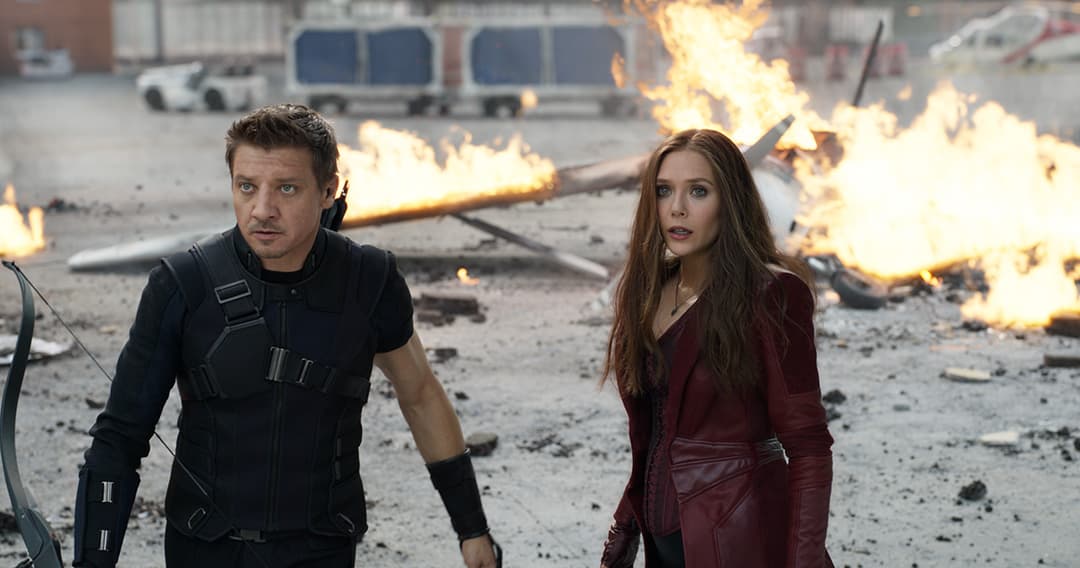
Fans have speculated wildly about possible returns or variants. Could a different Wanda from another timeline appear? Or will her influence linger through echoes, spells, or consequences that Doom himself exploits? Elizabeth Olsen has publicly expressed love for the character and openness to returning in the right story, but for Doomsday, the door appears firmly closed, forcing the narrative to move forward without her chaotic, heartbreaking presence.
Natasha Romanoff’s Enduring Shadow: The Spy Who Sacrificed Everything
Scarlett Johansson’s Black Widow met a definitive, heroic end on Vormir in Endgame. Her sacrifice enabled the Blip’s reversal and became a cornerstone of the MCU’s themes of redemption. A standalone Black Widow film later provided closure, exploring her past and introducing her “family” — including Florence Pugh’s Yelena Belova, who has since stepped into a more central role in the Thunderbolts* / New Avengers era.
Natasha’s absence in a Russo-directed Avengers film is particularly notable because the brothers always gave her quiet, impactful moments. She was the emotional glue in many team scenes: the voice of reason, the moral compass, the one who saw through facades. Her grounded perspective balanced the god-like powers around her. Without her, the team loses that spy-craft pragmatism and that specific brand of sisterhood she shared with Wanda, Okoye, and others.
Yelena’s presence (widely expected in Doomsday as part of the New Avengers) could partially fill the void, bringing her own blend of sarcasm, grief, and lethal efficiency. But Yelena is not Natasha. She carries survivor’s guilt and a sharper edge, potentially creating new tensions within the team. The absence of the original Black Widow also raises questions about legacy: how do newer heroes honor the fallen without relying on easy resurrections or multiversal variants?
The Russo Brothers have hinted at a darker, more mature tone for Doomsday, driven by Doom’s strategic villainy. Without Natasha’s quiet humanity or Wanda’s explosive emotion, the film may lean into strategic warfare, moral gray areas, and large-scale multiversal politics. Steve Rogers’ reported return could provide continuity and heart, but the overall dynamic risks feeling more like a war council than the found-family vibe that defined earlier Avengers films.
A New Dynamic: Multiverse Mayhem and Fresh Emotional Stakes
With Wanda and Natasha missing, Avengers: Doomsday becomes a true multiversal ensemble piece. Heroes from Earth-616 (the main Avengers and Wakandans), the Fantastic Four’s universe, and an “original” X-Men timeline converge against Doom. This setup promises spectacle on an unprecedented scale — mutant powers clashing with cosmic energy, Reed Richards’ intellect matching Doom’s, Wakandan technology meeting Asgardian might.
But spectacle alone doesn’t sustain a three-hour epic. The emotional core must evolve. Expect deeper explorations of leadership in crisis (perhaps Sam Wilson’s Captain America or Carol Danvers stepping up), the terror of infinite realities collapsing, and personal losses amplified across universes. The absence of two key female anchors may spotlight other women more prominently — Shuri, Captain Marvel, Sue Storm, or even Storm from the X-Men — or it could highlight the MCU’s ongoing challenge in balancing gender representation in its biggest crossover.
The Russo Brothers have a track record of delivering crowd-pleasing yet thematically rich blockbusters. Their choice (or Marvel’s directive) to proceed without Wanda and Natasha suggests confidence in the new roster and a desire to push the story into uncharted territory. Robert Downey Jr.’s Doom is positioned as a calculating, terrifying antagonist who views heroes as obstacles to his vision of order. Without Wanda’s reality-warping power or Natasha’s tactical insight, the Avengers may have to rely more on unity, intellect, and sheer willpower — themes that echo Civil War but on a multiversal scale.
Fan reactions have been mixed. Some mourn the missing emotional depth and iconic performances. Others see opportunity: a chance for fresh voices, new rivalries, and a team that feels reborn rather than nostalgic. The inclusion of the X-Men opens doors to stories about prejudice, found family, and power responsibility that Wanda once embodied in her own way.
What This Means for the Future of the MCU
Avengers: Doomsday isn’t just another team-up film — it’s a pivot point for Phase 6 and the lead-in to Avengers: Secret Wars. The absence of Wanda and Natasha signals Marvel’s willingness to let certain arcs conclude permanently, making room for evolution. It challenges the Russos to prove they can craft an emotionally satisfying epic without two of their previous films’ strongest dramatic engines.
As filming progresses and marketing ramps up, expect teases that hint at how the team compensates for these losses. Will there be subtle nods to the fallen — memorials, visions, or legacy moments? Or will the story barrel forward, forcing characters and audiences alike to adapt to a harsher, more uncertain multiverse?
One thing is certain: the Russo Brothers know how to make audiences care. Whether through quiet conversations amid chaos or jaw-dropping action that serves character growth, they have consistently delivered. Doomsday may lack Wanda’s chaos and Natasha’s grounded heart, but it gains the potential for something rawer, broader, and ultimately transformative.
The multiverse is colliding. Doctor Doom is coming. And the Avengers — minus two of their most beloved sisters — must find a new way to stand together. The emotional core may shift, but if the Russos have their way, it will only grow deeper, proving that even without Scarlet Witch and Black Widow, the call to assemble still resonates with profound power.
In the end, Avengers: Doomsday isn’t defined by who is missing. It will be remembered for how the remaining heroes rise, how new bonds form under impossible pressure, and whether the MCU can reinvent its emotional foundation while delivering the spectacle fans crave. The countdown to December 18, 2026, has begun — and the absence of Wanda and Natasha may just make the triumph, or the tragedy, hit even harder.