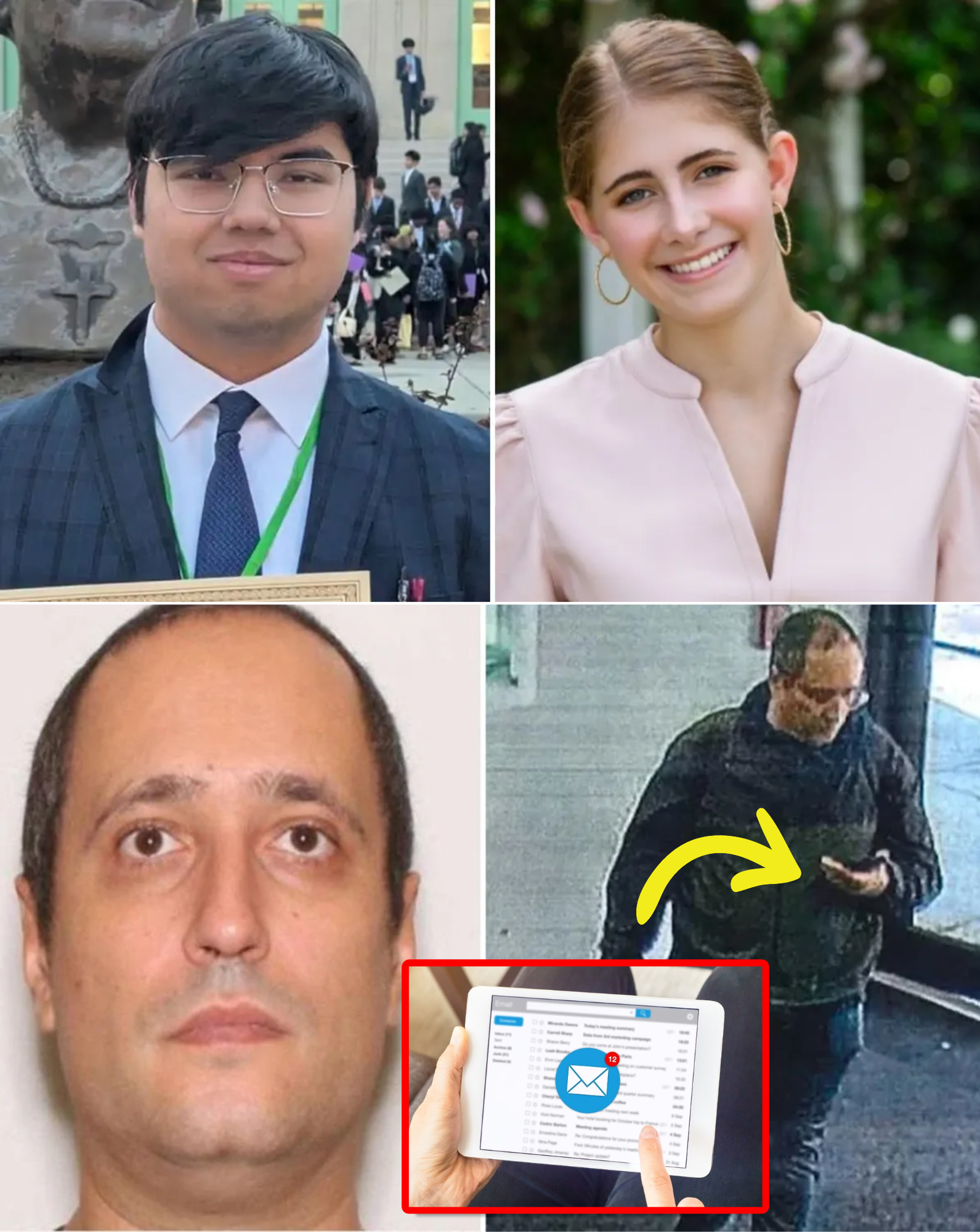
In a chilling escalation of the investigation into the deadly shootings at Brown University and MIT, federal authorities have disclosed details from three emails sent by perpetrator Claudio Neves Valente, 48, a Portuguese national and former Brown physics graduate student. These emails, referenced in newly released video transcripts by the U.S. Department of Justice on January 6, 2026, shed light on the warped rationale behind the rampage that left two students dead, nine wounded, and an MIT professor executed. Valente, who ended his life in a New Hampshire storage unit on December 18, 2025, mentioned in his suicide videos that “three emails will go out tonight” to explain his actions, though specifics of their content remain partially veiled, fueling speculation about deep-seated grudges and a nihilistic worldview.
Valente’s academic journey began promisingly; he enrolled at Brown in 2000 after excelling in physics at the University of Aveiro in Portugal. However, he dropped out after three semesters in 2003, citing boredom with the curriculum’s ease. Former classmates described him as “brilliant but awkward,” someone who isolated himself and harbored resentment toward the academic elite. This simmering discontent apparently boiled over two decades later, manifesting in meticulously planned violence. On December 13, 2025, Valente stormed a Brown lecture hall, unleashing over 40 rounds, killing 19-year-old Ella Cook, a talented French and economics-math major from Alabama known for her piano skills and joyful spirit, and 18-year-old Mukhammad Aziz Umurzokov, a driven Uzbek American freshman. The attack’s chaos was amplified by Valente’s surprise that victims didn’t flee en masse, as he later confessed.
Two days later, on December 15, he targeted Nuno Loureiro, a 47-year-old MIT plasma physics professor and former Portuguese classmate, ambushing him at his $1.4 million Brookline townhouse. Loureiro, a family man and fusion energy expert, was shot fatally, leaving his wife and children devastated. Valente’s videos reveal he had cased Brown for months, passing up earlier “opportunities” due to hesitation, and chose unconventional timing—a Saturday in an auditorium—to maximize impact. He described the acts as “hard” but necessary, expressing no remorse: “I am not going to apologize, because during my lifetime no one sincerely apologized to me.” He denied mental illness, insisting sanity while rambling about lifelong “hard feelings” from childhood, a disdain for humanity, and envy for those who kill effortlessly.
The emails, sent post-shootings, reportedly elaborated on these themes, portraying the attacks as a response to perceived injustices in academia and life. Valente viewed himself as a “good guy” in a broken world, with no hatred for specific nations or people but a blanket rejection of societal norms. He boasted of financial security allowing years of idle living in Portugal, and even mocked media coverage, including President Trump’s “animal” label. An eye injury from shell casings during Loureiro’s murder was dismissed as a minor annoyance.
The FBI’s discovery of the videos, aided by a homeless tipster dubbed “Reddit John,” ended a weeklong manhunt. Campus security has since heightened, with Brown and MIT offering grief counseling and memorials. Funds for victims’ families have surged, honoring Cook’s brightness and Umurzokov’s ambition. This case underscores vulnerabilities in higher education, prompting calls for better mental health tracking of former students. As details trickle out, the emails’ full release could unravel more of Valente’s psyche, but for now, they stand as a haunting testament to unchecked resentment turning deadly.