Unauthorized Dive Route? New Claims Deepen Mystery Behind Deadly Maldives Cave Disaster
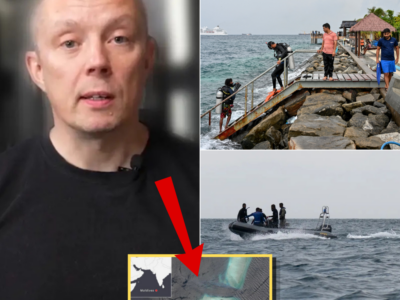
The horrifying Maldives cave diving tragedy that killed five tourists and later claimed the life of a rescue diver is now facing explosive new scrutiny after a veteran local diving expert suggested the group may have entered a highly dangerous underwater zone they were never supposed to access.
The disaster occurred near Vaavu Atoll when a group of divers descended approximately 160 feet beneath the surface into a submerged cave system near Alimatha Island. The divers never resurfaced, triggering a desperate recovery mission that later became even more devastating after one of the rescuers reportedly died during operations inside the same underwater environment.
Now, experienced members of the local diving community are beginning to openly question how the excursion was approved and why the group was exploring such an extreme location at all.
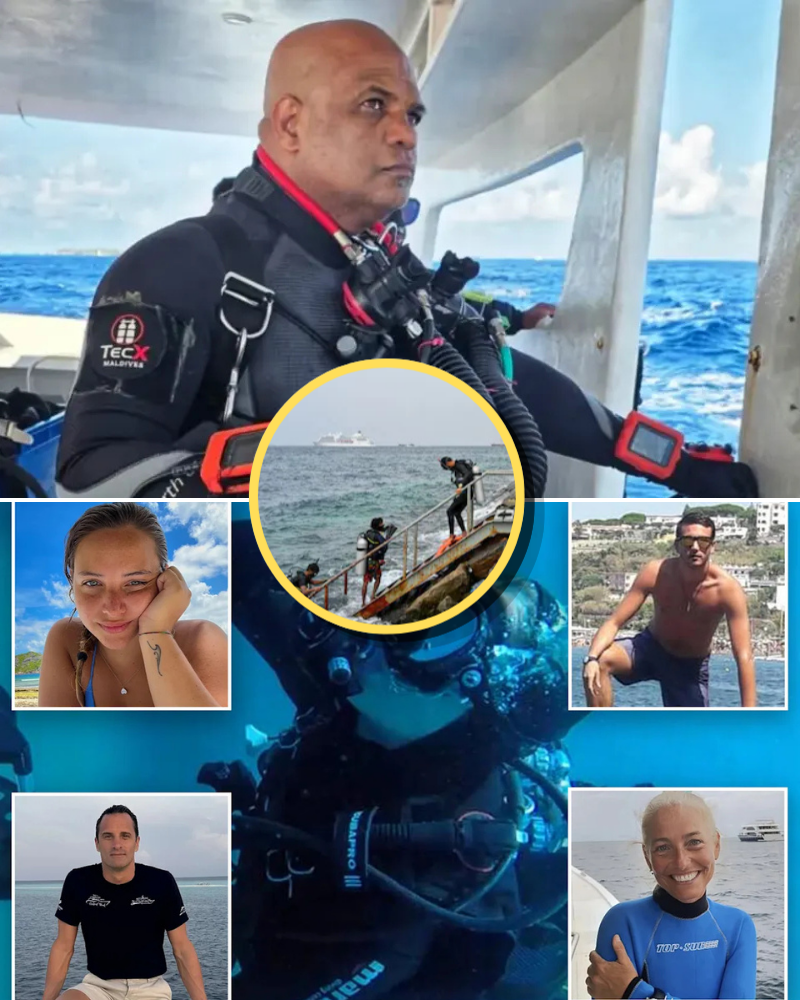
According to reports connected to the investigation, one longtime Maldives diving expert claimed the route and depth involved appear far beyond the type of dive typically associated with standard recreational tourism excursions.
The expert reportedly suggested that strict safety expectations surrounding cave penetration, technical depth limits, and diver certification levels may not have been fully respected before the group entered the underwater system.
Authorities have not publicly confirmed unauthorized activity or rule violations, and investigators continue emphasizing that the inquiry remains active. However, officials are reportedly examining dive computer data, oxygen usage logs, underwater navigation routes, communication records, weather conditions, and planning documentation tied to the fatal expedition.
The allegations have intensified public concern because cave diving is widely regarded as one of the world’s most dangerous underwater activities — even among highly experienced divers.
Technical diving specialists explain that underwater cave systems create uniquely lethal conditions due to total darkness, confined passageways, strong currents, unstable visibility, and the inability to make immediate emergency ascents.
At depths reaching 160 feet, divers also face major physiological risks including nitrogen narcosis, oxygen toxicity, decompression complications, panic disorientation, and rapid equipment failure.
Experts warn that once problems begin inside deep underwater cave systems, escape options can disappear within seconds.
The tragedy has become even more haunting following statements from Carlo Sommacal, who lost both his wife, Monica Montefalcone, and their daughter, Giorgia Sommacal, during the dive.
Sommacal publicly rejected the idea that his wife — described as an elite and deeply cautious diver — would have recklessly endangered herself or her daughter, insisting that “something happened down there.”
Those comments, combined with the new claims from local diving experts, are fueling mounting speculation that environmental danger alone may not fully explain the disaster.
The death of a rescue diver during recovery efforts has only amplified fears surrounding the underwater cave system itself, with many observers questioning whether the environment became too dangerous even for trained emergency personnel.
Maritime analysts say the incident is likely to trigger renewed international debate over the regulation of extreme adventure tourism, particularly in destinations where underwater cave excursions attract thrill-seeking travelers from around the world.
Meanwhile, families of the victims continue mourning loved ones while waiting for definitive answers about exactly what unfolded beneath the surface.
Authorities continue warning the public against spreading unsupported conspiracy theories while the investigation remains ongoing. Officials stressed that underwater disaster reconstruction is extremely complex and may take considerable time before final conclusions can be reached.
As investigators continue piecing together the divers’ final descent into the darkness, the Maldives tragedy is increasingly becoming more than just a story about a deadly dive — it is now raising deeply unsettling questions about whether hidden risks, broken protocols, or dangerous decisions may have led an entire group directly into an underwater death trap.