Elite Cave Recovery Divers Join Maldives Operation as Search Enters Critical Phase
The underwater recovery mission unfolding in the Maldives has entered an increasingly urgent and dangerous stage as internationally experienced cave diving specialists join efforts to recover victims trapped deep inside a submerged cave system.
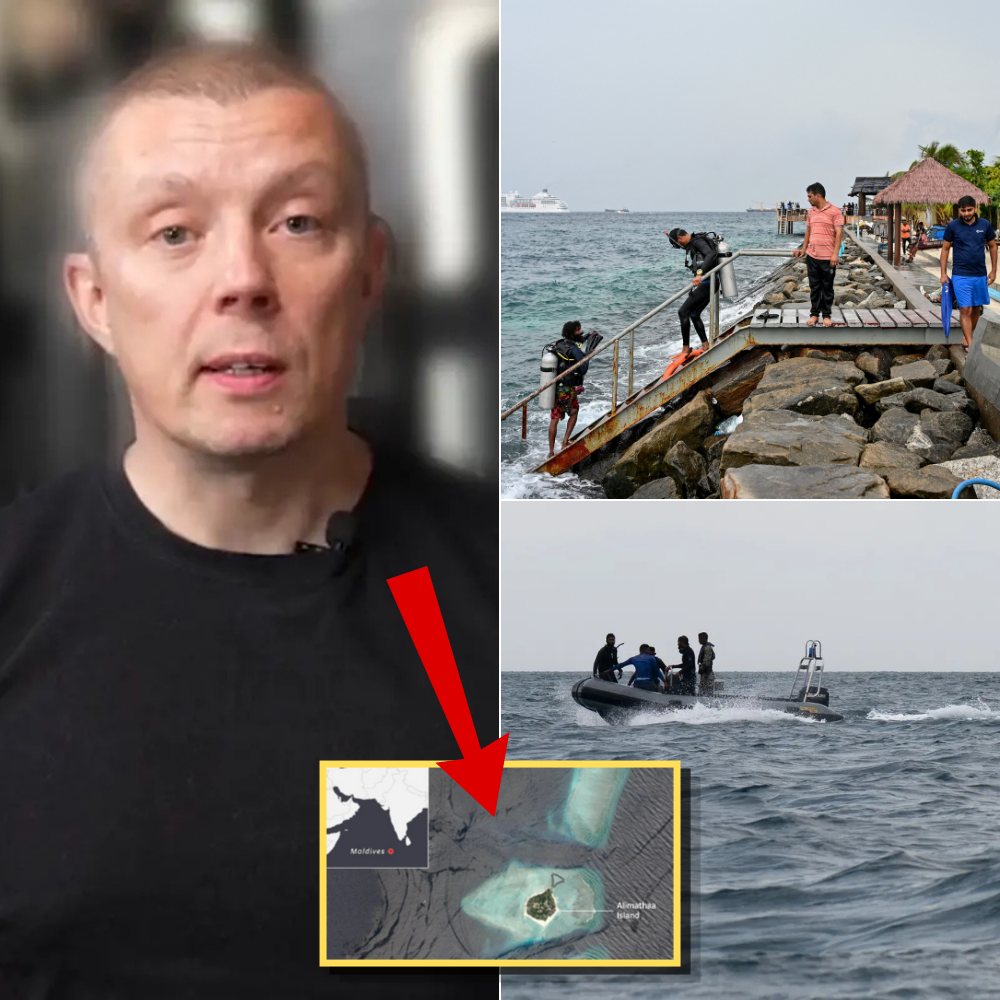
Authorities confirmed that the operation intensified after the deaths of multiple tourists during a cave dive near Vaavu Atoll, followed by the loss of a rescue diver participating in recovery efforts inside the same hazardous underwater environment.
Now, highly trained technical diving teams with extensive cave rescue experience are reportedly assisting local authorities as operations continue roughly 200 feet below the surface in near-total darkness.
The tragedy has drawn comparisons online to other historic underwater rescue operations because of the extraordinary difficulty involved in navigating deep submerged cave systems. However, officials continue emphasizing that the current mission is a recovery effort rather than an active rescue operation.
Authorities have not publicly confirmed the identities or exact status of every diver still being searched for, but investigators acknowledged that time, environmental conditions, and underwater hazards are creating extreme challenges for recovery crews.
Maritime experts explain that deep cave diving environments are among the most dangerous settings in professional rescue operations.
At depths approaching 200 feet, divers face severe physiological risks including nitrogen narcosis, oxygen toxicity, decompression complications, panic disorientation, and equipment failure. Underwater cave systems also present additional threats involving confined spaces, sharp rock formations, unstable sediment, strong currents, and complete darkness.
Technical rescue specialists warn that even elite divers can become trapped or overwhelmed if visibility collapses or navigation lines are disrupted inside submerged caves.
Authorities have not publicly discussed graphic recovery concerns, but maritime analysts note that prolonged underwater exposure in tropical marine environments can complicate search operations and increase urgency for recovery teams attempting to locate victims before environmental conditions deteriorate further.
The death of a rescue diver earlier in the mission has already underscored the extraordinary danger of the cave system itself, prompting heightened caution among crews now continuing operations inside the same underwater terrain.
Investigators are simultaneously reviewing dive authorization records, safety procedures, environmental conditions, guide decisions, and technical equipment connected to the original excursion.
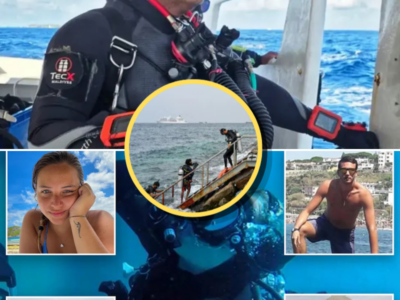
The disaster has generated intense international attention partly because several victims were reportedly experienced divers, including Monica Montefalcone, whom relatives described as highly disciplined and extremely knowledgeable about diving safety.
Her husband, Carlo Sommacal, publicly questioned whether the tragedy could truly be explained as a simple accident, insisting that “something happened down there.”
Mental health experts explain that underwater disasters often create unusually intense public fear because they combine darkness, isolation, claustrophobia, and the terrifying reality that even rescue operations themselves may become deadly.
Meanwhile, the Maldives tragedy is reigniting broader debate within the diving community regarding extreme tourism excursions, cave diving regulation, and the increasing popularity of high-risk underwater experiences marketed to adventure travelers.
Authorities continue urging the public not to spread unsupported rumors or sensationalized claims while the investigation and recovery operations remain ongoing.
As elite recovery divers continue descending into the darkness beneath the Maldives waters, the mission now stands as both a search for answers and a grim reminder of how quickly one of the world’s most breathtaking destinations can transform into an underwater labyrinth where even the most experienced professionals face life-threatening danger.