Randy Owen’s Quiet Life: The Alabama Frontman Who Chose His Family Farm Over Fame
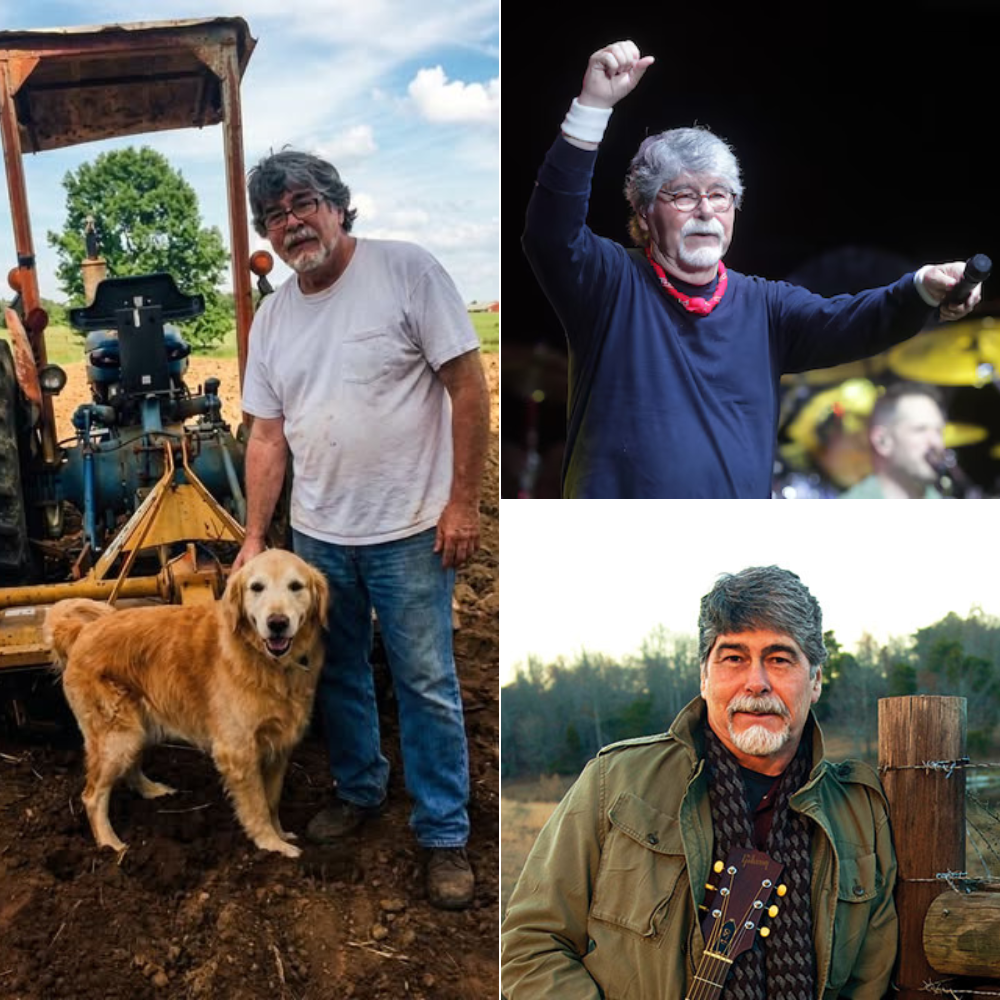
For many artists who reach the highest levels of success, life tends to follow a predictable path—luxury homes, exclusive locations, and a lifestyle far removed from their roots. But for Randy Owen, the longtime frontman of Alabama, that narrative never fully applied. Despite selling more than 75 million records worldwide and achieving decades of chart dominance, Owen continues to live on the same land his family has worked for generations in Fort Payne, Alabama.
At a time when many artists of similar stature have relocated to major entertainment hubs such as Nashville or Los Angeles, Owen made a different choice. His connection to his hometown has remained constant, shaped by both personal history and a sense of belonging that he has often described as irreplaceable. While the idea of owning multiple properties across the country may appeal to others, Owen has consistently emphasized that comfort, for him, is rooted in familiarity rather than luxury.
Owen’s journey to success began in the hills of Alabama, where he developed both his musical identity and his values. Growing up in a rural environment, he was immersed in a culture that prioritized hard work, faith, and community. These influences carried over into his career, even as Alabama rose to become one of the most successful country bands in history. With 42 number-one hits and numerous awards, the group achieved a level of commercial success that few artists ever reach.
Yet, behind the achievements, there were moments of personal hardship that shaped Owen’s perspective. During the height of Alabama’s success, he experienced the loss of his father, an event that occurred at a time when his professional obligations left little room for reflection. In later interviews, Owen has acknowledged that he never fully had the opportunity to grieve, as the demands of touring and performing required him to continue working almost immediately.
The experience left a lasting impact. Balancing personal loss with public expectations is a challenge faced by many artists, but Owen’s response was shaped by the values instilled in him from an early age. He has often credited his faith and his family—particularly his mother—for helping him navigate that period. According to Owen, her support played a significant role in keeping him grounded during a time when both his personal and professional lives were under intense pressure.
Despite the demands of fame, Owen’s attachment to his family’s land never weakened. Returning to Fort Payne after tours and performances became a way for him to reconnect with a sense of normalcy. The farm, which has been part of his family’s history for generations, represents more than just a place of residence. It serves as a reminder of where he came from and the values that continue to guide him.
Owen has spoken openly about why he chose not to pursue a more conventional celebrity lifestyle. While he acknowledges that other locations might offer certain advantages, he maintains that they would lack the emotional connection he feels to his home. In his words, even a place that appears ideal on the surface would not provide the same sense of belonging. This perspective has resonated with fans who view his decision as a reflection of authenticity in an industry often associated with excess.
The contrast between Owen’s lifestyle and that of many of his peers has not gone unnoticed. In an era where public image is often tied to visible displays of wealth, his decision to remain on a working farm stands out. For some observers, it represents a form of resistance to the pressures of celebrity culture. For others, it highlights the possibility of maintaining personal identity despite external expectations.
Alabama’s influence on country music remains significant, with the band’s success helping to shape the genre’s mainstream appeal. Their ability to blend traditional country elements with broader musical influences contributed to their widespread popularity. As the voice of the group, Owen played a central role in defining that sound, earning recognition not only for his vocal talent but also for his leadership within the band.
Even with these accomplishments, Owen has consistently downplayed the idea of stardom as a defining characteristic. Instead, he often frames his career as an extension of the life he has always known. Farming, community involvement, and family connections continue to be central to his daily routine, creating a balance that many in the industry find difficult to achieve.
The decision to remain in Fort Payne also reflects a broader theme within Owen’s story: the importance of staying connected to one’s origins. In a profession that frequently requires constant movement and adaptation, maintaining a stable base can provide a sense of continuity. For Owen, that stability has come from the land his family has cultivated over generations.
As discussions about fame and its impact continue, Owen’s example offers an alternative perspective. His career demonstrates that success does not necessarily require a departure from one’s roots. Instead, it is possible to integrate professional achievements with personal values in a way that preserves both.
While the music industry continues to evolve, the story of Randy Owen remains a reminder of the enduring appeal of authenticity. Selling millions of records and achieving widespread recognition has not altered his fundamental identity. He remains, by his own description, a farmer who happens to sing—a characterization that captures the essence of his approach to both life and career.
Ultimately, Owen’s journey highlights the complex relationship between success and personal fulfillment. In choosing to stay where his story began, he has created a narrative that stands apart from conventional expectations. Whether viewed as a deliberate decision or a natural extension of his values, his life on the family farm continues to resonate with those who see in it a reflection of something increasingly rare: a sense of home that fame could not replace.