Final call and digital trail examined as investigators assess warning signs in Shreveport case
The investigation into the deadly incident in Shreveport involving Shamar Elkins has entered a critical phase as authorities review his final known interactions and online activity. While public discussion has focused on questions of motive, investigators are working to determine what can be established through verified evidence, including communications made shortly before the event.
Among the elements under review is a reported phone call between Elkins and his parents in the hours leading up to the incident. Officials have not released a full transcript or confirmed specific statements from the conversation, but sources indicate that investigators are analyzing the call as part of their effort to understand his state of mind. In cases like this, such communications can provide context, though they do not, on their own, determine intent.
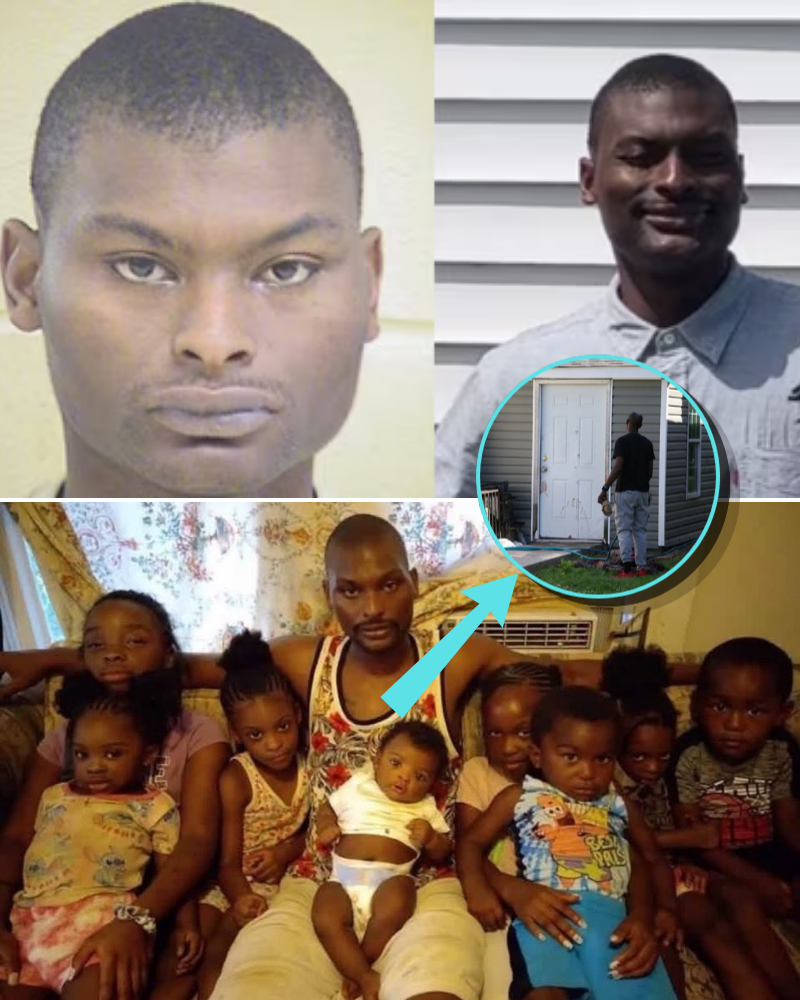
Authorities are also examining digital content associated with the suspect, including images and posts shared prior to the incident. Social media activity can offer insight into timelines and interactions, but experts caution that online portrayals are often incomplete representations of a person’s circumstances. A single image or post rarely reflects the complexity of underlying conditions.
The contrast between outward appearances and internal circumstances has been widely discussed. Observers have pointed to the difficulty of identifying warning signs in advance, particularly when behavior does not clearly signal risk. Analysts emphasize that retrospective interpretations can be influenced by the outcome, making it important to distinguish between confirmed evidence and assumptions formed after the fact.
Investigators are expected to consider a range of factors, including personal history, recent stressors, and any documented changes in behavior. However, authorities have not confirmed a definitive sequence linking these elements to the incident. Establishing such connections requires corroborated evidence and careful analysis.
Mental health professionals note that behavioral changes, when they occur, can vary widely and are not always visible to others. While certain patterns may be identified in hindsight, predicting outcomes based on limited observations is inherently uncertain. As a result, conclusions about intent or state of mind must be approached with caution.
The timeline of events remains a central focus. Officials are working to determine what occurred after the reported phone call and how those actions fit into the broader sequence leading up to the incident. This process typically involves reviewing phone data, location records, and any available surveillance or witness accounts.
Public reaction has been shaped by the search for explanation. Many have questioned whether warning signs were present and, if so, whether they could have been recognized earlier. Experts caution that such questions, while understandable, often rely on incomplete information during the early stages of an investigation.
Law enforcement agencies have not released comprehensive findings, and the case remains active. Authorities have emphasized that conclusions will be based on evidence presented through official channels, including any future legal proceedings.
The broader discussion has also highlighted the role of communication in critical situations. While a final call or message may appear significant, its meaning can only be understood within the full context of verified evidence. Isolated details, without supporting information, may lead to misinterpretation.
As investigators continue their work, additional information may emerge that clarifies the timeline and the factors involved. Until then, officials maintain that the focus should remain on confirmed findings rather than speculation.
The Shreveport case continues to prompt difficult questions about how such incidents develop and how they might be understood. While the investigation seeks answers, the distinction between what is known and what is assumed remains essential in assessing the events surrounding the tragedy.