Class Over Competition: Hannah Harper’s Unexpected Praise for Rival Keyla Richardson Sparks Finale Debate
With the finale of American Idol just days away, a surprising moment offstage is reshaping how fans view the final contenders. Hannah Harper—long recognized for her steady rise and composed performances—shared a private video in which she openly praised the vocals of fellow finalist Keyla Richardson. In a competition typically defined by high stakes and strategic positioning, the gesture has stood out as both unusual and impactful.
The timing has drawn particular attention. With voting margins expected to be razor-thin, contestants often focus on strengthening their own narratives rather than elevating competitors. Harper’s decision to highlight Richardson’s talent appears to run counter to that norm, prompting questions about her intent. For some observers, it reflects confidence—an indication that she is secure enough in her own performance to acknowledge excellence elsewhere.
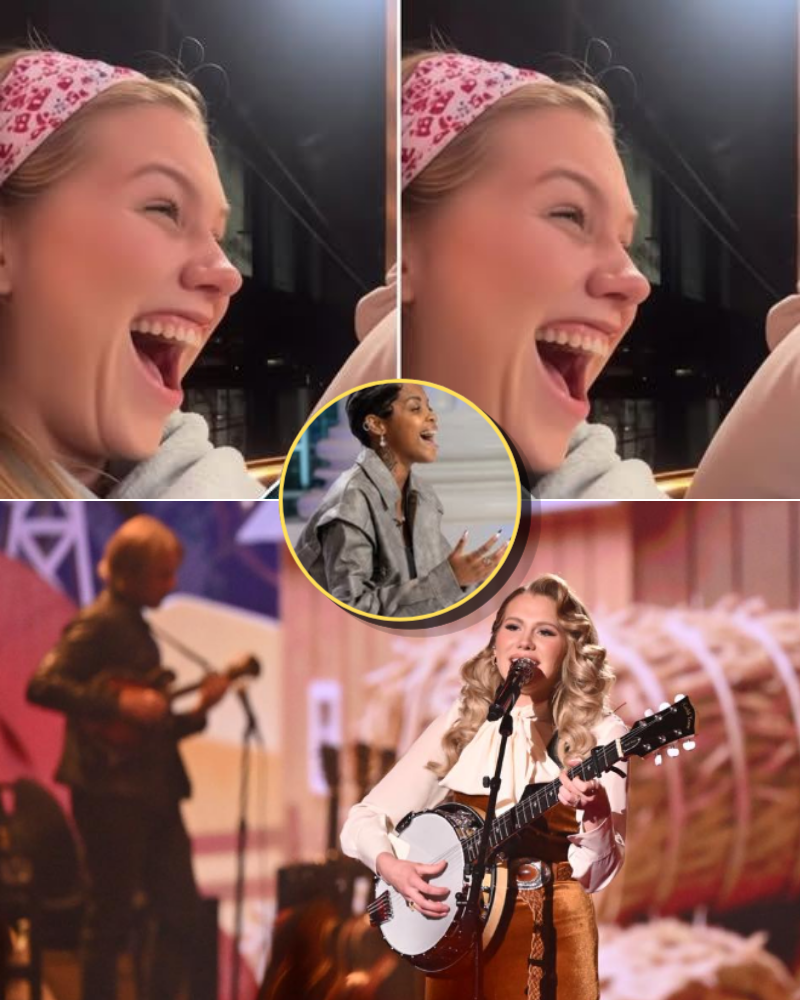
Others interpret the moment as a continuation of Harper’s broader image throughout the season. Her approach has consistently emphasized authenticity and emotional connection, qualities that have helped her build a stable base of support. By publicly recognizing Richardson’s abilities, she reinforces that identity, presenting herself not only as a competitor but as a collaborator within the musical space. This distinction may resonate with viewers who value character alongside performance.
The response from fans has been notably positive. Many have described the gesture as a display of “class,” highlighting the contrast between Harper’s approach and the more competitive narratives often associated with reality television. Social media discussions suggest that the moment has strengthened her appeal, particularly among viewers who prioritize integrity and sportsmanship. At the same time, Richardson’s supporters have welcomed the recognition, further amplifying the reach of the exchange.
From a strategic perspective, the move introduces an interesting dynamic. In audience-driven competitions, perception can influence voting behavior as much as performance itself. By framing the rivalry in respectful terms, Harper may be broadening her connection with viewers beyond her immediate fanbase. The gesture positions her as a contestant who values the art form over the outcome, a narrative that can carry weight in the final stages.
Richardson, meanwhile, remains a central figure in the competition due to her consistent vocal strength. The acknowledgment from Harper does not diminish that standing; if anything, it reinforces the level of competition between the finalists. The exchange highlights the contrast between their respective strengths—Harper’s emotional consistency and Richardson’s technical power—while underscoring the mutual recognition between them.
Industry observers note that moments like this can influence how a season is remembered. Beyond performances, interactions between contestants often shape the broader narrative, contributing to the legacy of the competition. Harper’s decision to share the video adds a layer of complexity to the finale, shifting the focus from rivalry alone to a more nuanced portrayal of competition.
As the finale approaches, the impact of this moment remains uncertain but significant. Whether it translates into increased support or simply reframes public perception, it has already altered the tone of the race. In a contest where every detail matters, Harper’s choice to elevate a rival may prove to be one of the most defining moves of the season—not because it changes the competition itself, but because it changes how viewers see it.