Accident or Cover-Up? Family Claims Critical Gaps Exist in Fatal Antique Gun Shooting
A wrongful death lawsuit connected to the fatal shooting of Whitney Robeson is drawing renewed attention to the circumstances surrounding the tragedy after new allegations and online speculation intensified debate over whether critical details of the incident were fully understood from the beginning.
Robeson, a 22-year-old graduate of Auburn University, died earlier this year after being struck by a gunshot inside a home in Alabama during what authorities initially described as an accidental discharge involving an antique firearm.
According to the lawsuit filed by her parents, Jeffrey Scott Towers — the father of Robeson’s boyfriend — was allegedly displaying a .22 caliber antique revolver inside the attic of the family home when the weapon discharged.
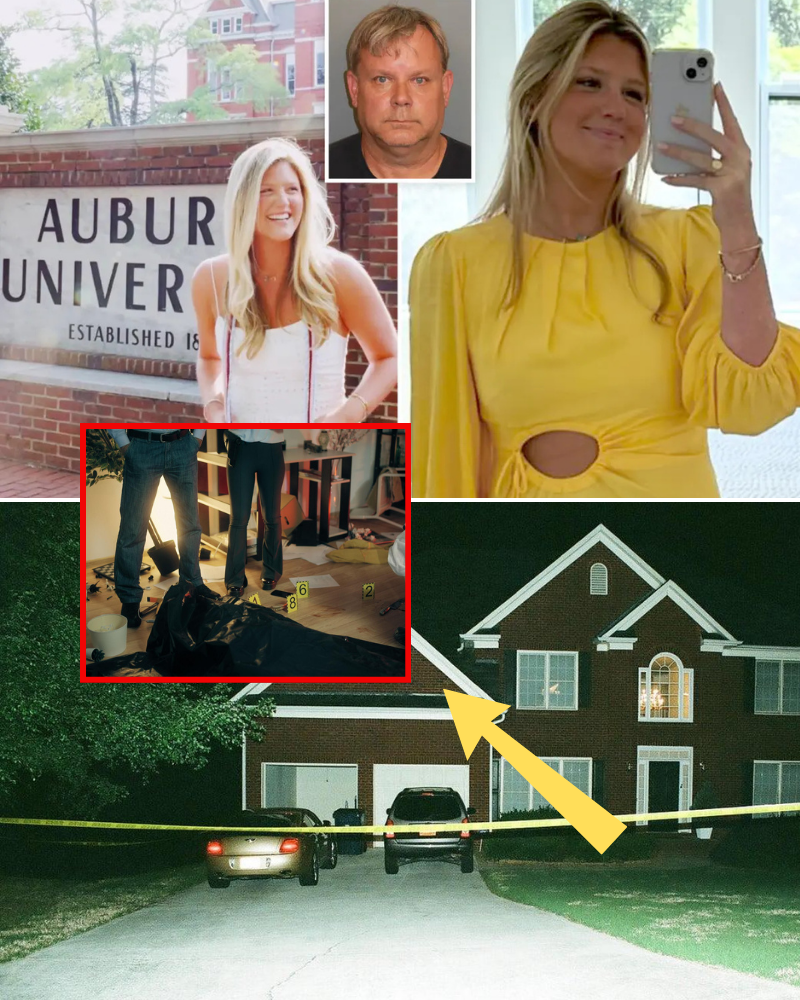
The complaint claims the firearm was loaded at the time, whether Towers allegedly realized it or not, and that a single shot fatally struck Whitney during the demonstration.
While officials previously characterized the incident as accidental, the lawsuit has intensified public discussion surrounding possible inconsistencies, unanswered questions, and the handling of the firearm before the shooting occurred.
Authorities have not publicly announced evidence suggesting the shooting was intentional, and no official statements have confirmed allegations of a staged crime scene or deliberate homicide.
However, online speculation surrounding the case has expanded rapidly as people examine reported gaps involving weapon handling, firearm condition, scene reconstruction, and witness accounts.
Legal experts explain that wrongful death lawsuits frequently challenge earlier assumptions surrounding accidental shootings by focusing on negligence, safety failures, inconsistencies in testimony, or unanswered procedural questions.
At the same time, criminal law specialists caution that speculation alone does not establish evidence of conspiracy or intentional violence.
Forensic firearm analysts note that antique weapons can present unique dangers because older firearms may remain functional despite their age, and assumptions that vintage guns are unloaded or non-operational can create catastrophic risk.
Experts also emphasize that accidental shootings involving family or social settings often generate intense public suspicion because the emotional shock of the event can make simple explanations feel psychologically unsatisfying to observers.
Mental health specialists explain that people frequently search for hidden motives or conspiracies in sudden tragedies involving young victims because random accidents can feel difficult to emotionally process.
Meanwhile, supporters of Whitney’s family continue calling for greater transparency regarding the investigation and the circumstances leading up to the fatal shot.
Authorities continue urging the public not to spread unsupported allegations or misinformation while legal proceedings remain active.
As the lawsuit moves forward, investigators and legal teams are expected to continue examining firearm handling procedures, witness statements, forensic evidence, and scene reconstruction in an effort to determine whether the tragedy resulted solely from negligence — or whether critical details surrounding the shooting still remain unresolved.