The Final Ascent: How the Last Body of the Maldives Cave Tragedy Is Being Brought Ashore Under Strict Protocols.
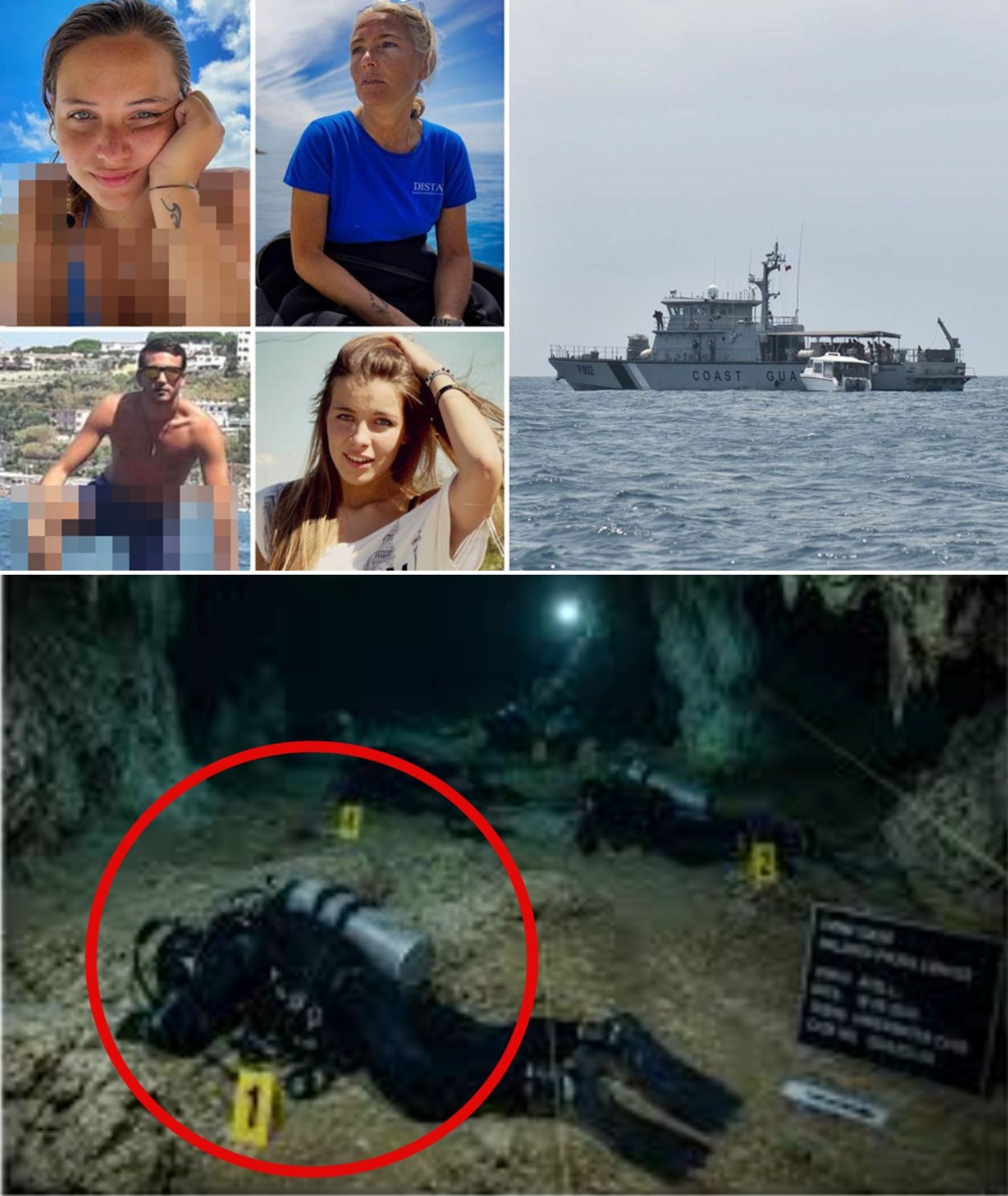
In the crystal-clear yet treacherous waters of Vaavu Atoll in the Maldives, a diving expedition that promised adventure ended in one of the deadliest incidents in the archipelago’s history. Five Italian divers lost their lives on May 14, 2026, while exploring a complex underwater cave system at depths exceeding 50 meters. Now, as the underwater search and recovery team prepares to bring the final body ashore, authorities have emphasized that strict protocols must be followed — a somber reminder of the risks, respect, and meticulous care required in such operations.
The victims — experienced divers including marine researcher Monica Montefalcone and her daughter Giorgia Sommacal, along with Federico Gualtieri, Muriel Oddenino, and instructor Gianluca Benedetti — were part of a group venturing into the Devana Kandu cave near Alimathaa Island. What began as an ambitious exploration of the cave’s chambers turned fatal, likely due to a combination of strong currents, nitrogen narcosis, equipment limitations, and the inherent dangers of overhead environments at that depth. One body was located near the cave entrance shortly after the incident, while the remaining four were found clustered deeper inside during a multinational recovery effort.
The recovery mission itself became part of the tragedy. On May 16, Maldivian National Defense Force Staff Sergeant Mohamed Mahudhee, 43, died from decompression sickness — commonly known as “the bends” — while participating in the high-risk search. His passing brought the total loss to six lives, underscoring the perilous nature of cave diving and body retrieval at extreme depths. International assistance, including elite Finnish cave divers and experts arranged by the Italian government, was crucial in locating the remains in the cave’s narrow passages and chambers.
As the final body is prepared for ascent, authorities have outlined rigorous protocols. These include controlled decompression stops to prevent further incidents, forensic documentation for identification and investigation, coordination with Italian consular officials for repatriation, and respect for cultural and religious sensitivities. The bodies must be handled with dignity, often using specialized lifting equipment and sealed transport to maintain integrity after prolonged submersion. Weather conditions, currents, and safety assessments add layers of complexity — no risks can be taken when human lives, even in recovery, are at stake.
This incident has sparked widespread reflection across the global diving community. The Maldives, renowned for its vibrant reefs and world-class dive sites, enforces a recreational depth limit of around 30 meters. The group’s decision to push beyond this into technical cave diving highlights ongoing debates about training standards, risk assessment, and permit requirements for advanced explorations. Investigations are underway to determine exact causes — whether it was a sudden current shift, gas management issues, or navigational challenges in the low-visibility environment.
Families of the victims face unimaginable grief. Monica Montefalcone’s husband described her as “the most cautious person in the world,” raising painful questions about what went wrong. The University of Genoa, where some victims were affiliated, expressed profound condolences, noting their contributions to marine research. In Italy, the news has dominated headlines, prompting calls for stricter oversight of adventure tourism and better support for technical divers.
For the Maldives, the tragedy is a stark blow to its image as a paradise destination. Tourism authorities are working closely with international partners to review safety protocols while assuring visitors that such incidents are rare. The involvement of Finnish specialists demonstrated effective global cooperation in crisis response, but it also exposed gaps in local deep-cave recovery capabilities. President Mohamed Muizzu visited the site to observe operations, signaling high-level concern.
Bringing the last body ashore marks the end of the active search phase but begins a new chapter of closure and accountability. Repatriation to Italy will involve careful coordination to ensure the remains arrive with dignity. Memorial services are expected, offering space for the diving community to mourn and honor those lost. The event also serves as a powerful educational moment — reminding enthusiasts that no dive is routine, especially in overhead environments where escape routes are limited.
Experts emphasize that cave diving demands specialized training, redundant equipment, and team discipline far beyond recreational standards. Rebreathers, guideline protocols, and gas mixtures are essential, yet even experienced divers can encounter unforeseen challenges like silt-outs or equipment failure. This tragedy adds to a small but sobering list of cave diving fatalities worldwide, reinforcing the need for continuous advancement in safety technology and training.
As the final body emerges from the depths, it carries more than physical remains — it symbolizes the closure for five families and a cautionary tale for the thousands who dive these waters annually. The strict protocols surrounding its recovery reflect not bureaucracy, but profound respect for life, loss, and the unforgiving ocean. In the coming days, as investigations continue and tributes flow in, the focus will shift from recovery to remembrance and reform.
The Maldives’ underwater wonders will continue to draw adventurers, but this incident ensures that safety conversations will echo long after the last body reaches shore. For those left behind, the sea that claimed their loved ones now returns them — a bittersweet final journey guided by protocol, compassion, and the enduring hope that such losses drive meaningful change in the diving world.