Police Detail Massive Search for James Weston Higginbotham in Japan Mountains — Backpack Found Next to Body Offers New Clues.
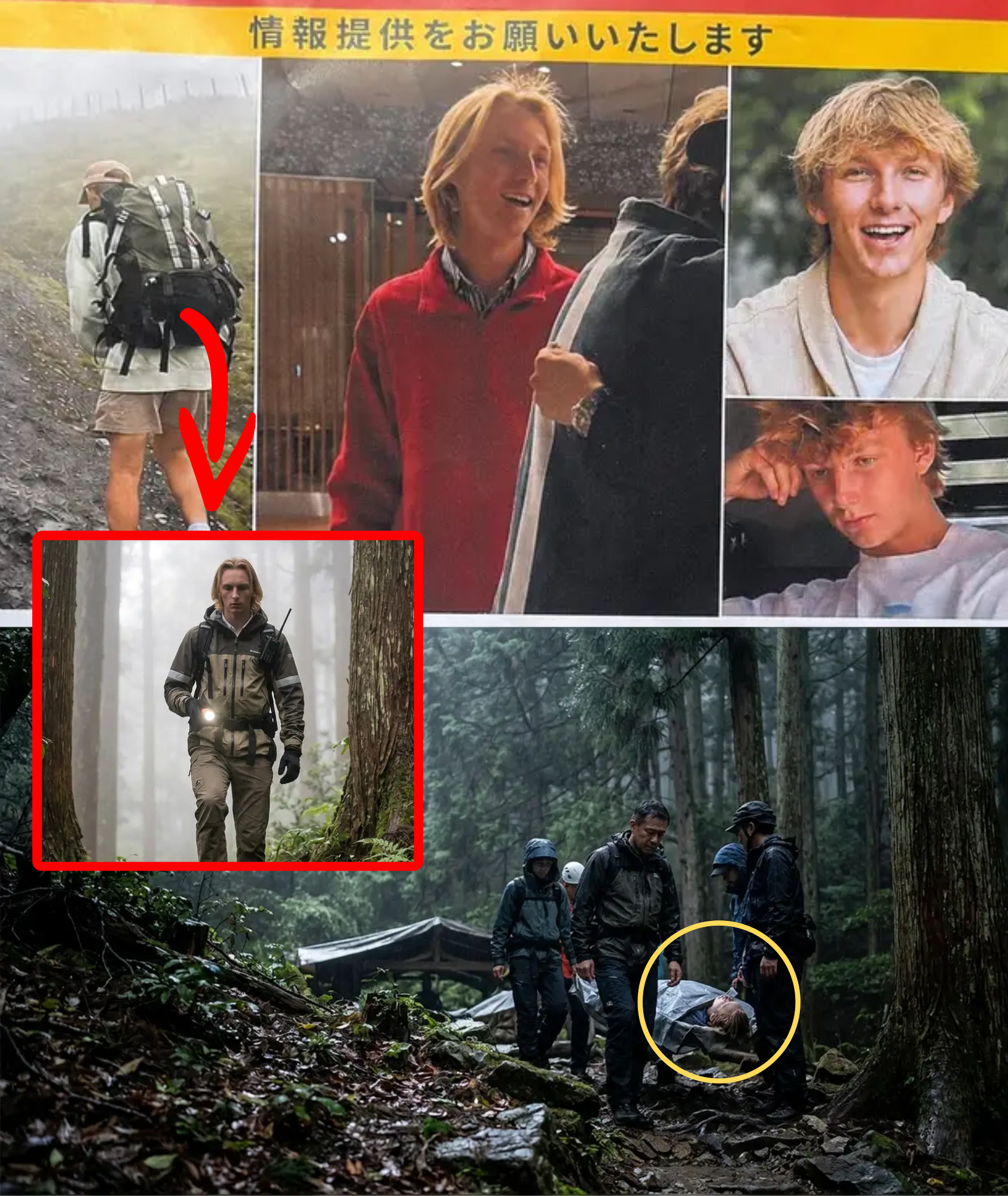
The tragic case of 20-year-old James “Weston” Higginbotham, an Auburn University engineering student from Alabama, has come to a sorrowful end in the mountainous terrain outside Kyoto, Japan. Japanese police have released details of the extensive search operation that spanned several days, culminating in the discovery of his body by volunteer search-and-rescue teams. A volunteer who located the remains revealed a key detail: Weston’s backpack was found right beside him, providing potential new clues for investigators examining the scene.
Weston vanished on May 29, 2026, while on a family vacation in the historic city of Kyoto. He was last seen exploring the Yamashina area in the evening. CCTV footage captured him at Yamashina Station before he headed toward a hiking trail in the densely forested Higashiyama mountain range. Family members noted he had turned off his phone and walked into the woods after a minor disagreement, prompting immediate concern as night fell and a typhoon brought heavy rains to the region.
Police launched a large-scale operation involving over 100 officers, K-9 units, and helicopters. The search focused on steep, wooded areas known for their challenging terrain and limited accessibility. Despite exhaustive efforts over nearly a week, including during harsh weather conditions, no trace was initially found. Authorities described the probability that Weston had intentionally entered the remote trails as high, based on his movements.
When official efforts wound down, Weston’s family, supported by local residents and experienced hikers, continued the search independently. On June 6, 2026, a volunteer search-and-rescue group made the devastating discovery around 2:35 p.m. in a mountainous section of Yamashina. The volunteer who first reached the site shared that Weston’s backpack was positioned next to his body, suggesting he may have set it down or dropped it in his final moments. This detail is now being examined as a potential clue in understanding the sequence of events and any contributing factors.
No foul play is suspected, according to Kyoto police, and the cause of death has not been publicly disclosed out of respect for the family. The backpack’s proximity to the body could offer forensic insights into Weston’s physical condition, hydration status, or intentions during what appears to have been a solo hike gone wrong in treacherous conditions.
Weston was remembered by family and friends as a passionate environmentalist, dedicated student, and adventurous young man who loved the outdoors. His mother, Nancy Higginbotham, shared the heartbreaking news on social media: “Our family is heartbroken to share that Weston was found deceased by a volunteer search-and-rescue group in a mountainous area outside of Kyoto.” The family expressed deep gratitude to all who participated in the search efforts, including Japanese volunteers who selflessly dedicated their time.
The incident has highlighted the dangers of Japan’s mountainous regions, even for experienced hikers. The area features steep slopes, dense vegetation, and unpredictable weather, especially during typhoon season. Experts note that many trails lack cell service, making solo excursions particularly risky. Weston’s case serves as a somber reminder for travelers to share itineraries, carry proper gear, and avoid remote areas alone after dark.
Auburn University and the broader community have rallied in support of the Higginbotham family. Tributes describe Weston as a bright, kind-hearted individual with a promising future in engineering. His passion for nature and exploration, while ultimately leading to tragedy, reflected his adventurous spirit. Friends and classmates have organized memorials and shared stories celebrating his life.
The volunteer who discovered the body and noted the backpack has become part of the ongoing narrative. Their account provides a firsthand perspective on the challenging search conditions and the emotional weight of the find. Police are using this and other evidence to piece together Weston’s final hours, hoping to provide the family with some closure while emphasizing prevention for future incidents.
As the family mourns, they have called for continued prayers and awareness about safety in wilderness areas. The search process involved coordination between local authorities, professional teams, and dedicated volunteers — a testament to community solidarity in times of crisis. Weston’s story has drawn international attention, sparking discussions on travel safety, mental health support for young adults abroad, and the limits of search technology in rugged landscapes.
In the wake of the discovery, Japanese officials have reiterated safety guidelines for hikers. Proper preparation, including weather checks, communication devices, and group travel, can make the difference between adventure and tragedy. Weston’s backpack, found intact beside him, may hold personal items or notes that offer further understanding, though authorities remain cautious in releasing specifics.
The Higginbotham family’s strength amid unimaginable loss has inspired many. Their transparency throughout the search kept hope alive while preparing for the worst. As they begin the long process of grieving and honoring Weston’s memory, the world sends condolences and lessons learned from this heartbreaking chapter. His passion for the environment and engineering will live on through those he touched.
This case underscores the unpredictable nature of wilderness exploration and the importance of vigilance. While the search for James Weston Higginbotham has concluded, his legacy prompts reflection on safety, adventure, and the bonds of family that endure beyond loss. The volunteer’s observation of the backpack adds a poignant, human element to the investigation, potentially shedding light on those final, solitary moments in the Japanese mountains.