Hidden in Plain Sight: The Disturbing Reason Lilly Jones’ Body Was Overlooked During Intense Searches Just Yards From Home.
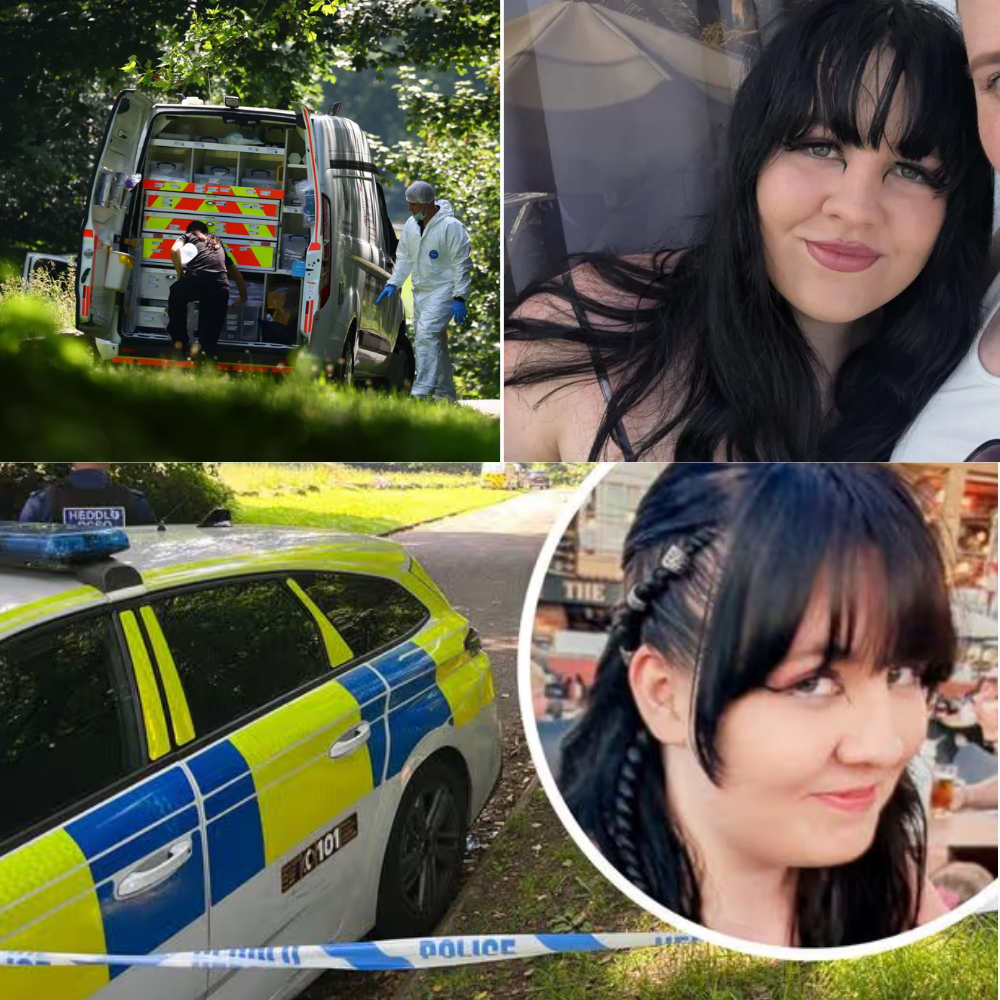
In the tight-knit former mining town of Blaina in South Wales, a routine Saturday evening turned into an unimaginable nightmare for the Jones family. Fourteen-year-old Lilly Jones, known as a quiet and gentle girl who was always reliable, failed to return home. What followed was not just a missing person case, but a sequence of events filled with disturbing anomalies that continue to baffle investigators and the community alike.
One of the most perplexing aspects of this tragedy is how Lilly’s body remained concealed despite an enormous, multi-day search effort right in the area where she was eventually found. Volunteers, police with drones and helicopters, and dozens of locals scoured Duffryn Park and surrounding undergrowth. Yet her remains were only discovered around 10:10 PM on Monday, June 22, 2026, in dense shrubs near a cycle path – mere 500 yards from her family home and close to the bowls club that had been serving as a hub for searchers.
Searchers like mum-of-two Katy Bennett, 44, reported being in that very vicinity earlier that evening. “I searched very close to that spot and didn’t see anything – she must have been covered up,” she said. Another participant noted that people had already looked there, suggesting deliberate concealment. The body was found by two young people who joined the search late, shortly after others had left the area. This timing and the effectiveness of the hiding spot raise serious questions: Was the perpetrator familiar with the local terrain? Did they return to the scene to adjust the concealment after initial searches? Or was there something about the search coordination that allowed this oversight?
Lilly had last been seen around 6:50 PM on June 20 on High Street, dressed in a long black dress and sandals. Her phone unusually powered off early, and her disappearance was immediately flagged as out of character. Family appeals were emotional and urgent, with her aunt Zoe pleading for her safe return and her mother Gemma expressing hope she had simply gone to Cardiff. The community rallied powerfully, but the discovery so close to home after three days of searching has left residents in disbelief.
A 14-year-old boy from the Blaenau Gwent area was quickly arrested on suspicion of murder and remains in custody. Gwent Police launched a murder investigation, with forensic teams examining the scene under a tent as temperatures soared. Detective Chief Inspector Steven Thomas appealed for information while warning against online speculation that could jeopardize the case. The force also made a mandatory referral to the Independent Office for Police Conduct (IOPC), a standard step but one that adds another layer of scrutiny to the handling of the search and response.
This anomaly – the body hidden effectively in a heavily searched public area near a shortcut and bowls club – highlights potential flaws in large-scale volunteer searches and the cunning nature of the crime. In small communities like Blaina, where trust is high and children once played freely, such an event shatters illusions of safety. Neighbors described Lilly as a lovely girl they watched grow up; her school friends were visibly distraught, with early dismissals and emotional scenes on the streets. Local councillor Lisa Catherine Winnett called the news “devastating,” reflecting the collective grief.
From my perspective following many such cases, this “hidden in plain sight” element often points to a perpetrator with local knowledge who counted on the chaos of searches or familiarity with the park’s undergrowth. It also underscores the emotional toll on families and volunteers who poured their hearts into looking for Lilly, only to face this outcome. The proximity to home suggests she may not have gone far, possibly meeting someone known rather than a stranger abduction – a common yet terrifying pattern in teen disappearances.
Beyond the investigation, this tragedy calls for reflection on community safety protocols. How can we better equip volunteer searches with technology or training to spot subtle signs? Could improved lighting, cameras in parks, or youth awareness programs prevent similar horrors? Lilly’s gentle nature and the love evident in tributes left at the scene remind us of the bright future stolen from her and the pain inflicted on her only-child family.
As police continue enquiries with a significant presence in the area, the focus remains on piecing together Lilly’s final hours. The community’s unity in searching shows its strength, but the hidden truth now demands justice. For Lilly, her family, and all who feel this loss in Blaina, we hope answers emerge soon and that her memory drives positive change in protecting young lives. In the valleys where resilience was forged in mines, this test of spirit is profound. Let’s honor her by demanding thoroughness and vigilance.