HOUSE OF HORRORS: Inside the Brutal Torture-Murder of 7-Year-Old William Evans-Ellis That Has Shocked the Nation.
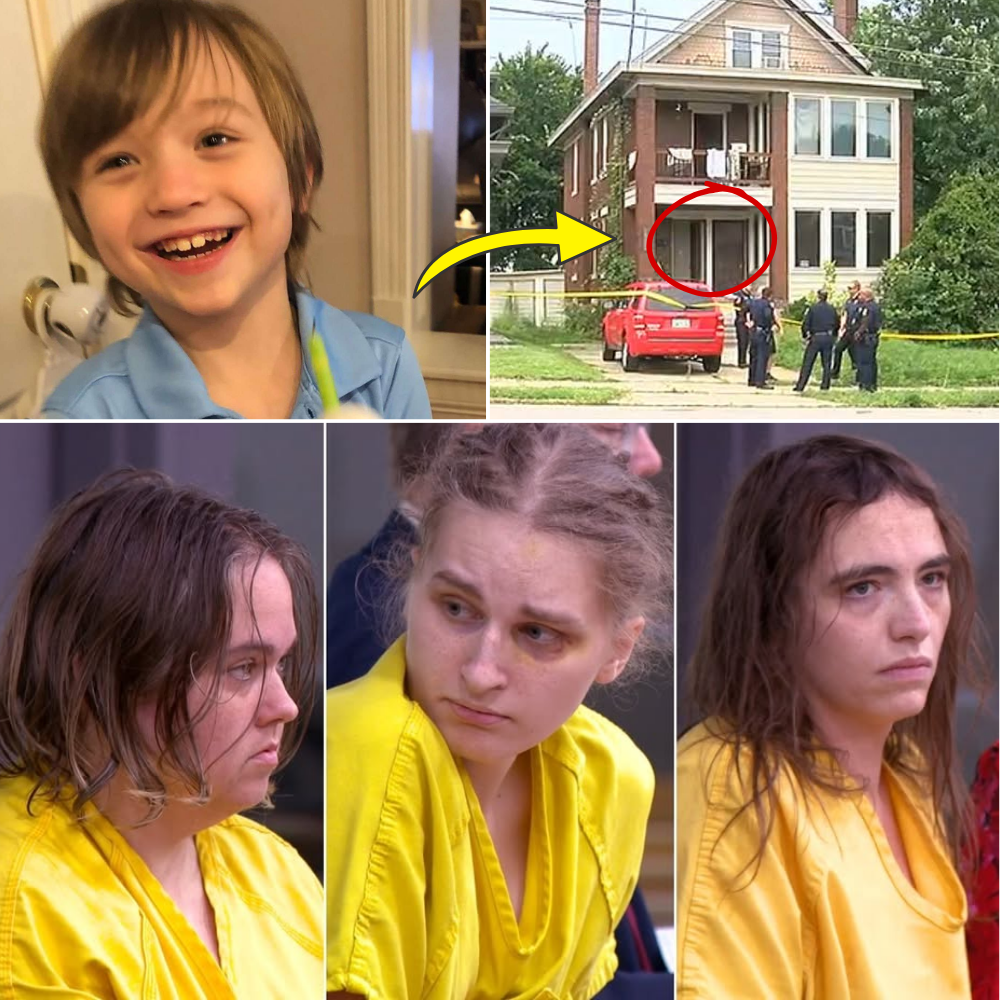
In a case that has sent shockwaves of horror and profound grief across the country, the brutal death of 7-year-old William Evans-Ellis has exposed a grim world of abuse, complex polyamorous dynamics, and institutional failure. Discovered bound and hidden inside a closet in an Oakley apartment in Cincinnati, Ohio, young William’s tragic end reads like a chilling psychological thriller. But unlike fiction, the reality is far more gruesome—and the web of individuals surrounding the innocent boy has left investigators, legal experts, and the public reeling in absolute disbelief.
Authorities have formally charged three primary suspects with a staggering 13-count indictment, including aggravated murder, kidnapping, felonious assault, and child endangerment. Yet, as details emerge from courtrooms and investigative reports, the narrative deepens into a bizarre and unsettling labyrinth involving alternative lifestyles, domestic turmoil, and a shocking family twist regarding the boy’s biological lineage.
The Discovery: A Hospital Collapse and a Closet of Horrors
The horrifying sequence of events began unraveling when William’s mother, 38-year-old Kaitlin Evans, walked barefoot into a Mercy Health emergency room. Visibly distressed, Evans collapsed on the floor, frantically claiming that one of her partners was trying to harm her and that her young son had vanished or been hidden away.
Acting on the frantic emergency room alert, local law enforcement rushed to an apartment on Madison Road in Cincinnati. Nothing could prepare officers for what they found inside. Hidden away in a closet, bound tightly with duct tape, lay the lifeless body of 7-year-old William.
According to the Hamilton County Coroner’s office, the young boy—who was developmentally disabled—had suffered unimaginable cruelty. The medical examiner revealed that William’s body bore bruises too numerous to count, spanning varying stages of healing. Investigators uncovered horrific evidence pointing to systematic torture, including signs of severe beatings, burn marks, and indications that the child had been choked and held underwater. The official cause of death was determined to be a devastating blunt-force trauma blow to the head.
The Accused: Inside the Polycule and the 13-Count Indictment
Following the gruesome discovery, a Hamilton County grand jury indicted three defendants on 13 counts each. Alongside the boy’s mother, Kaitlin Evans, investigators arrested two trans-identified individuals living within the same household: 23-year-old Nessa Keaney and 33-year-id Kirby Rankin.
Court documents and subsequent investigations painted a picture of an insular, chaotic household operating under a polyamorous dynamic (polycule). Neighbors and digital footprints revealed a lifestyle dominated by alternative subcultures, online radical politics, and fluid gender identities. Prosecutors argue that this toxic environment created a pressure cooker of neglect and hostility, ultimately culminating in the systematic torture and murder of a defenseless, special-needs child who relied entirely on his caregivers for protection.
As the suspects pleaded not guilty during their initial court arraignments, public fury reached a fever pitch. Social media platforms erupted with demands for justice, while communities mobilized to honor William’s memory through memorials and fundraising efforts to support his grieving extended family members.
The Father Twist: A Transgender Identity and a Desperate Cry for Help
Just when the public thought the details of the case could not possibly become more convoluted, a stunning twist involving William’s biological father surfaced, sending shockwaves through the media.
The biological father, Thomas John (TJ) Ellis, was revealed to identify as a transgender woman, going by the name “Tara Jane”. Public records and reports show that Ellis legally changed his name in December 2023, having previously married Kaitlin Evans in 2011 before participating in a subsequent trans-themed ceremony years later.
During court proceedings, Tara Jane delivered an emotional statement, revealing a heartbreaking reality: she claimed she had been blocked from seeing her son for nine months leading up to his death. “Willie was my life. I trusted you to care for him. They kept him from me for the past nine months over lies,” Ellis stated tearfully in court.
Investigative reports also highlighted prior domestic disputes, including past allegations made by Evans against Ellis regarding the child—claims that were thoroughly investigated by authorities and ultimately determined to be unfounded. Law enforcement sources confirmed that Ellis had moved out of the Oakley apartment prior to the tragedy and faces no allegations of criminal wrongdoing in connection with the murder. Nonetheless, Ellis’s active online presence—spanning cybersecurity work, political activism, and detailed public posts about the household’s polyamorous arrangements—has added an intense layer of public fascination and debate to an already surreal tragedy.
Conclusion: Seeking Justice for “Sweet William”
The murder of William Evans-Ellis has transcended a local crime story, transforming into a national flashpoint examining systemic child protection, household dynamics, and the responsibilities of guardianship. As the legal proceedings march forward and the defense and prosecution prepare for trial, the core of this tragedy remains a lost 7-year-old boy who deserved a life filled with safety, light, and unconditional love.
While community members, grandparents, and loved ones work to build a lasting foundation in William’s name to protect other vulnerable children, the shadow of the Oakley apartment will linger long. The pursuit of justice for William is only just beginning, but for the public watching closely from the outside, the scars left by this horrifying case will take generations to heal.